
Last updated November 21, 2026
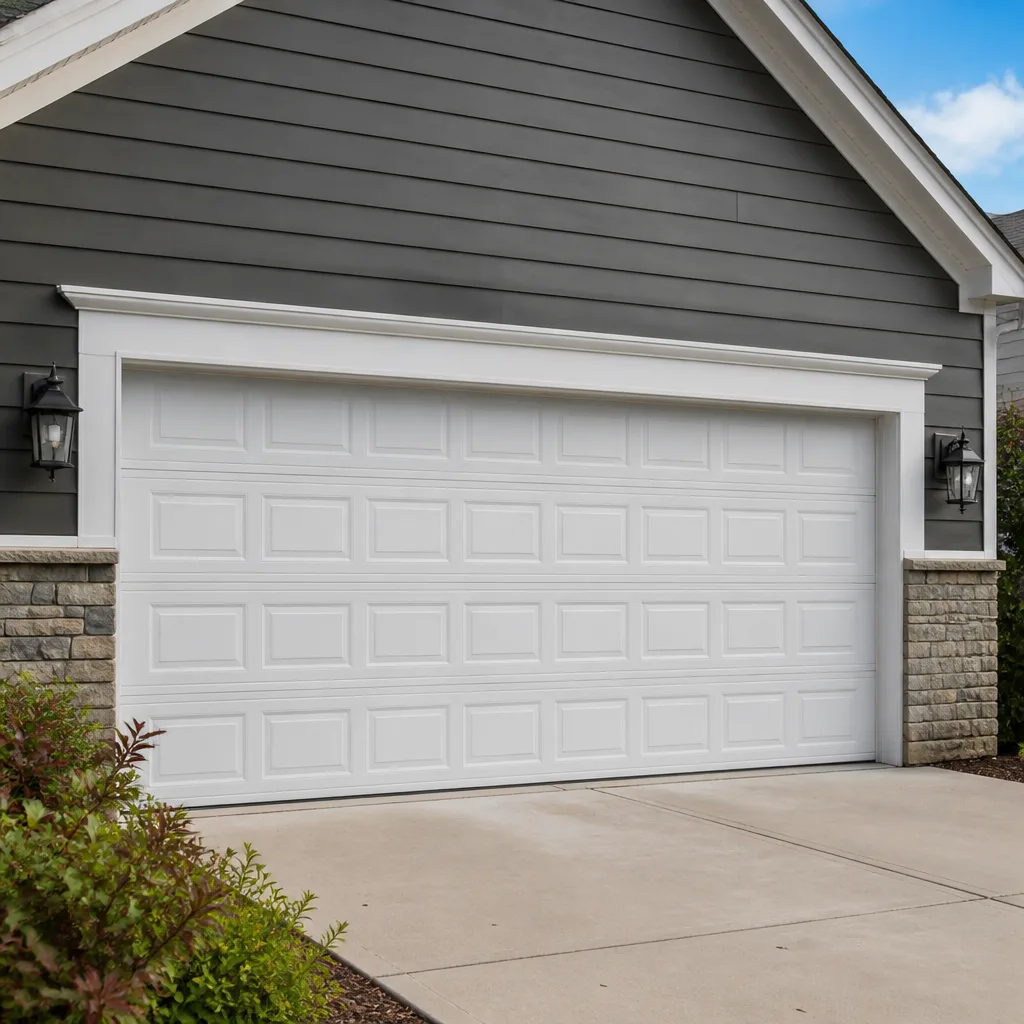 Raised-panel steel
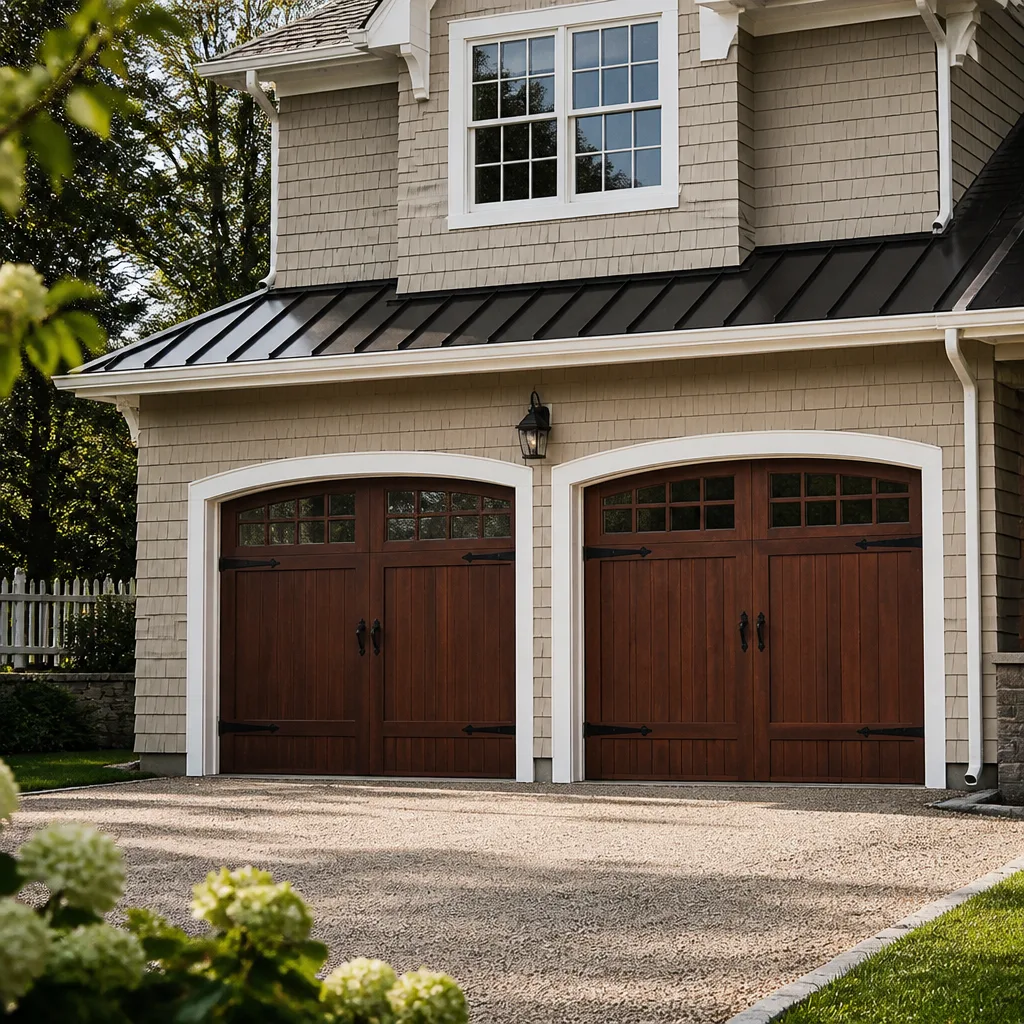 Carriage house
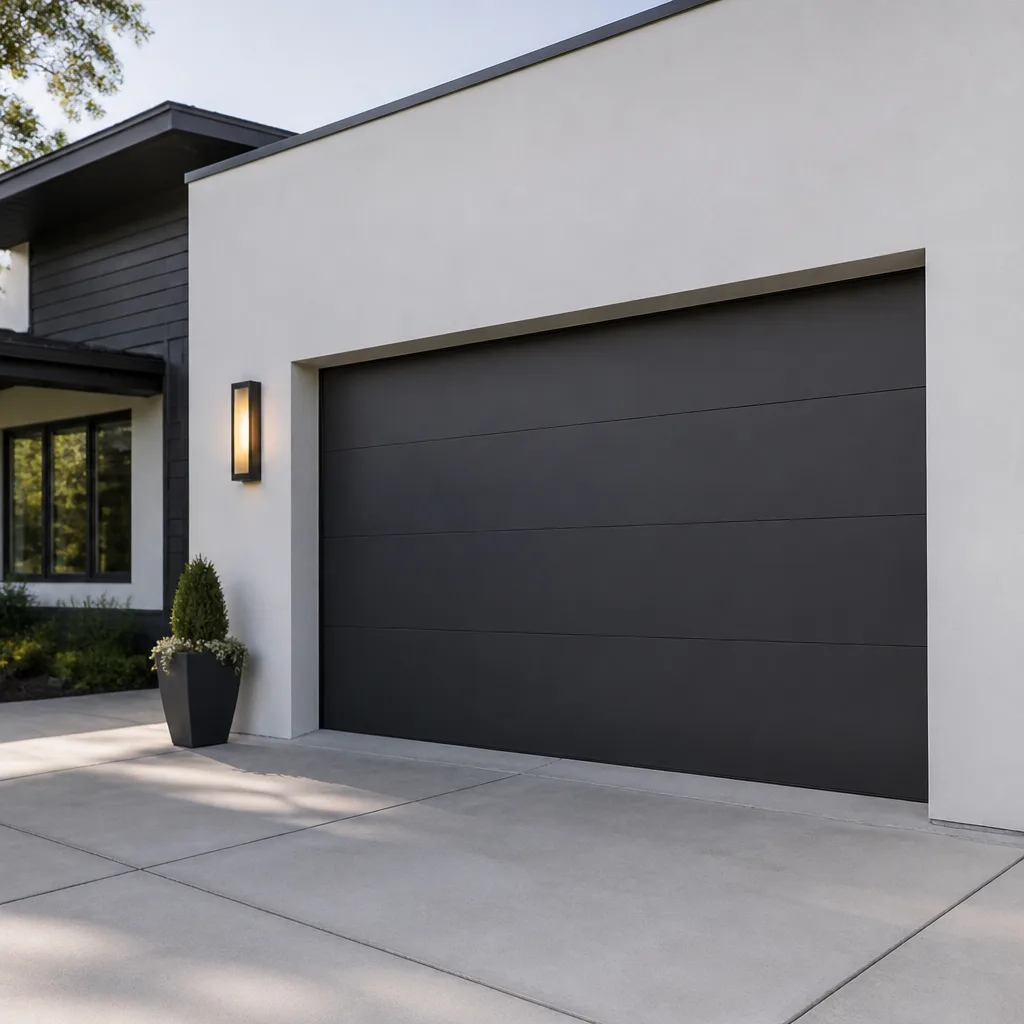 Modern flush
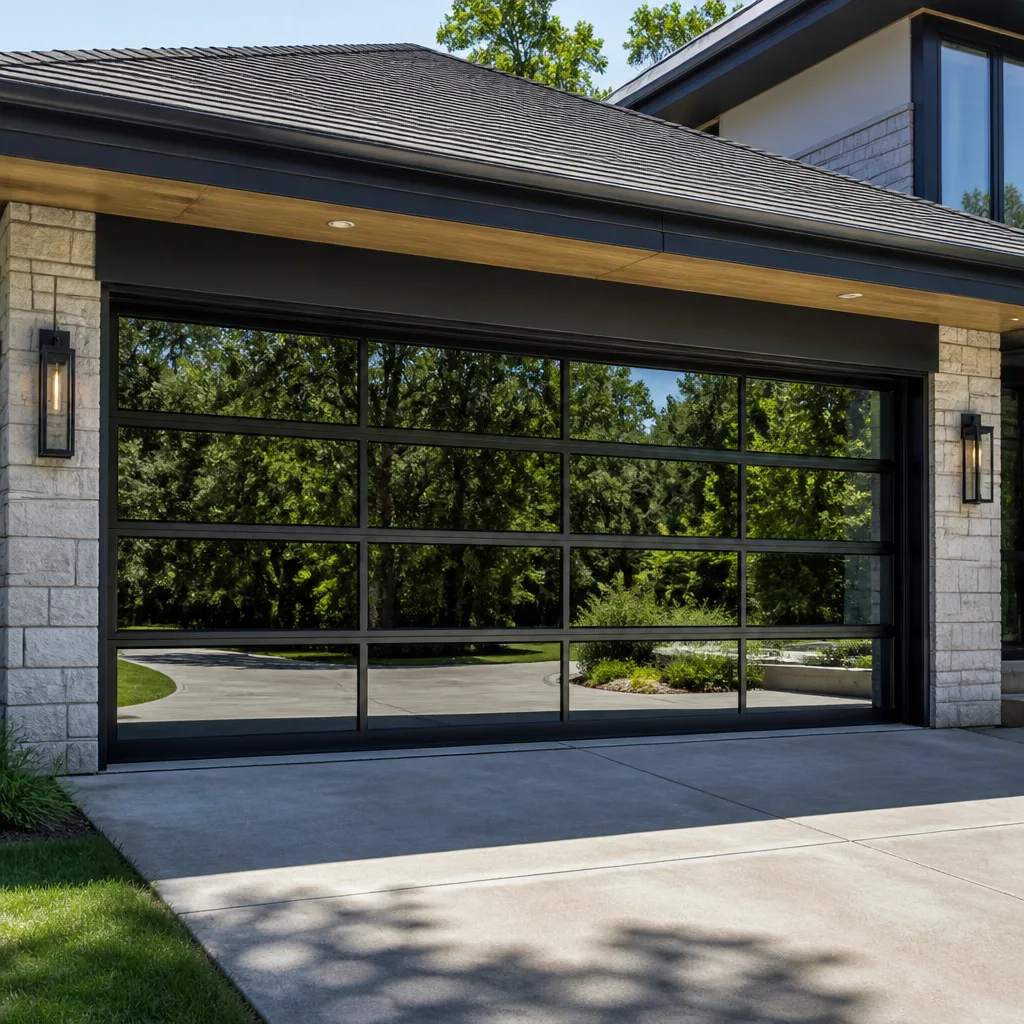 Full-view glass
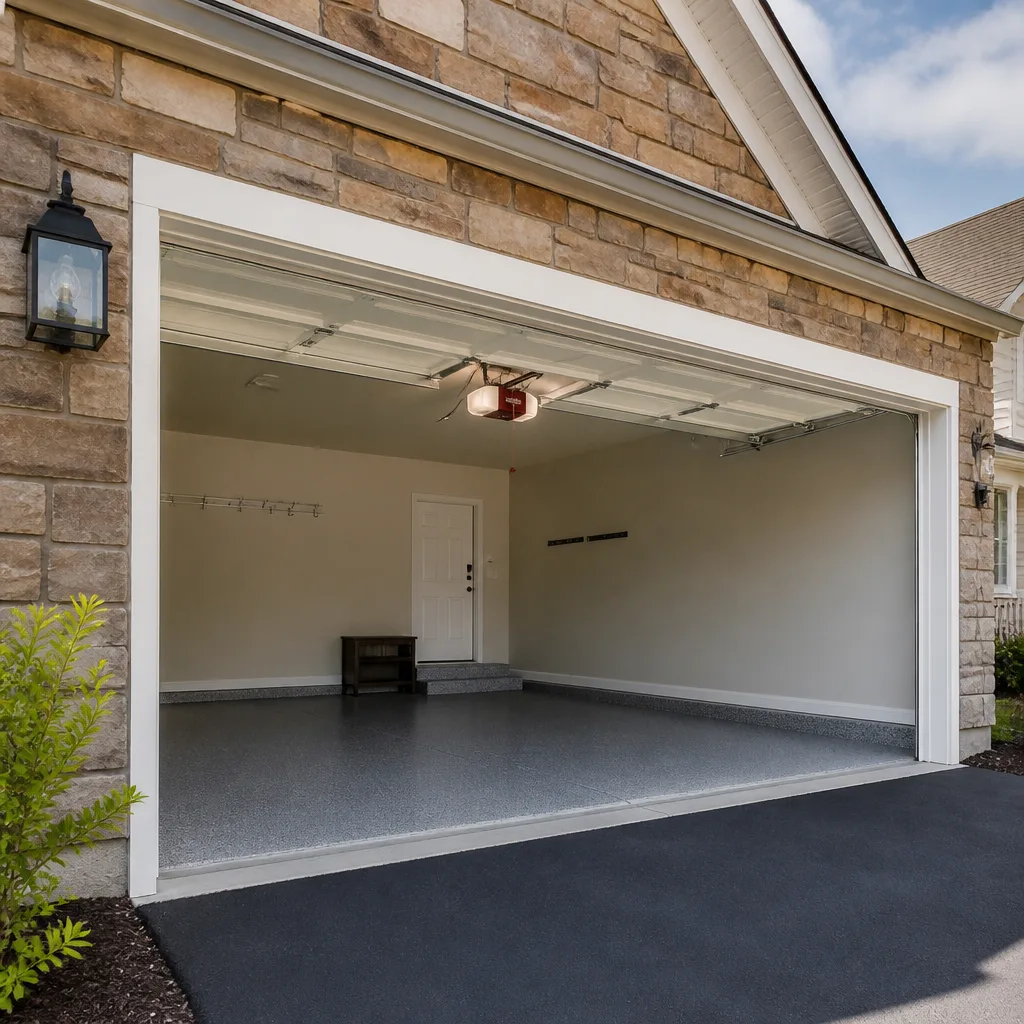 LiftMaster openers
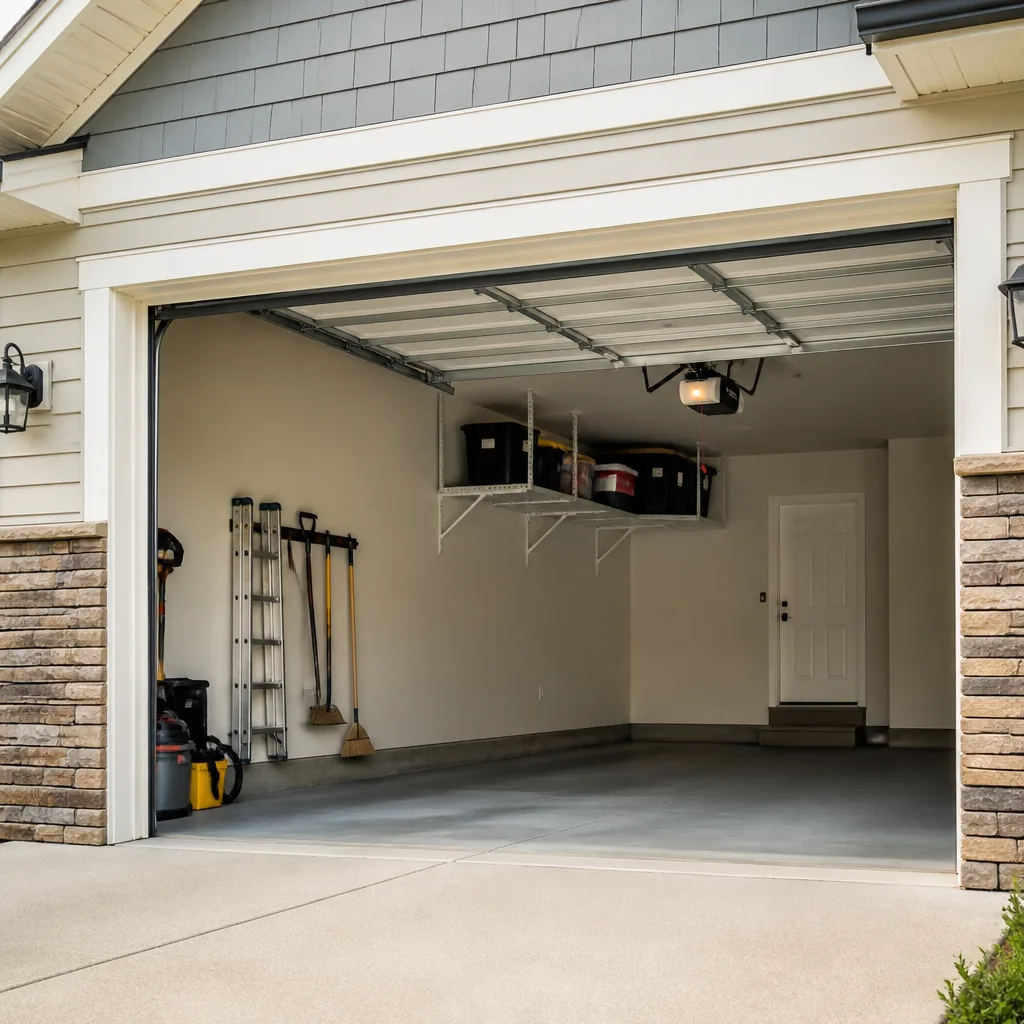 Chamberlain openers
Full 25-point door and opener safety check with every visit - springs, cables, rollers, tracks, and your LiftMaster or Chamberlain opener included
You get a price before we start. It does not change when the pro arrives.
Get your free estimateHow to Hire a Garage Door Contractor in Greenwood: A Step-by-Step Guide
Most homeowners hire a garage door contractor the same way they hire a plumber: they search, they call whoever answers first, and they let the technician on the truck do the vetting. That works fine until the work fails and nobody returns calls. Here in Greenwood, the bigger issue is that the market mixes real garage door specialists with general handymen who touch doors now and then and out-of-area companies that appear after a storm and vanish just as fast. This guide gives you a repeatable process – what to verify, what to ask, and what a written scope should actually say – so you can tell the three apart in about ten minutes.
Quick Answer
To hire a garage door contractor in Greenwood, ask for proof of state licensure and current general liability coverage, confirm the company is authorized to work on your specific brand (LiftMaster and Clopay, for example, have their own authorization programs), get a written scope of work that itemizes parts and labor separately, and never agree to a repair before you’ve seen the written estimate. A contractor who can’t clear those four hurdles isn’t a contractor you want holding a torsion spring above your car.
Styles & brands we work with
- Raised-panel steel
- Carriage house
- Modern flush
- Full-view glass
- LiftMaster openers
- Chamberlain openers
Table of Contents
- What the Greenwood Garage Door Market Actually Looks Like
- What Indiana Requires for Garage Door Contractors (And What It Doesn’t)
- How to Verify Licensure, Insurance, and Brand Authorization
- The Three Questions to Ask About Parts Sourcing
- How to Structure a Written Scope of Work for a Repair
- Red Flags Specific to Garage Door Quotes
- Out-of-Area Contractors After Severe Weather in Johnson County
- Your Hiring Checklist, Start to Finish
What the Greenwood Garage Door Market Actually Looks Like
Greenwood sits in Johnson County, just south of Indianapolis, and it’s a market where the housing stock shapes the work. A lot of homes here were built in the 1990s and 2000s with builder-grade single-bay and double-bay doors in the 7-foot and 8-foot height range, and those doors are now hitting the age where springs, cables, and rollers start failing in clusters. Newer construction south and east of downtown Greenwood often uses insulated steel and composite doors. The old and new neighborhoods are close together, which is why the contractors working here need to know multiple brands rather than one.
You’ll encounter three types of providers when you search:
- Garage door specialists – companies whose only work is garage doors, openers, springs, and installation. They carry the tools, springs, and opener inventory specific to this trade.
- General handymen – they’ll swap a photo-eye bracket or replace a roller, but a torsion spring or a full opener swap is outside their wheelhouse. Hiring one for a spring can be dangerous.
- Out-of-area storm chasers – companies that arrive in trucks from other states after a big weather event and may not be back in town when you need a warranty claim.
Our recommendation: whatever you’re having done, ask directly which of those three you’re talking to. A real specialist will answer without hesitating. If the answer is fuzzy, that’s the answer.
One more thing about Greenwood specifically: because Johnson County sees real seasonal swings – cold winters that shrink and stiffen seals, and humid summers that work on wood frames – garage doors here take more of a beating than doors in stable climates. A contractor who works this area regularly knows what tends to fail in January versus July.
What Indiana Requires for Garage Door Contractors (And What It Doesn’t)
This is the part most homeowners get wrong, so we’ll be direct. Indiana does not have a single statewide garage door contractor license. What it does have is a general contractor licensing framework at the state level and a patchwork of local rules that vary by jurisdiction. That gap matters because “licensed” can mean very different things depending on who’s saying it.
What you should ask before hiring anyone:
- “What license does your company hold, and what’s the number?” A legitimate garage door company will tell you plainly and won’t stall.
- “Are you registered to do work in Greenwood / Johnson County?” Municipalities sometimes require local registration even when the state doesn’t. Ask your city’s building department whether your project needs a permit or a local registration – most repair swaps don’t, but a structural change to the doorway or a full replacement sometimes does.
- “Can I see your general liability certificate?” Not a description of it. The actual certificate. A contractor who carries coverage will email it within minutes; that’s routine.
- “Are your technicians covered by workers’ comp?” This protects you if someone gets hurt on your property. If the answer is “we’re a small shop, we don’t carry it,” you’re assuming that risk.
None of that is a gotcha. Legitimate companies expect to be asked, and the answers arrive quickly. The issue is that a company can be “licensed” as a general contractor and still have nobody on the truck who knows a torsion spring from a tension spring. The next section is how you separate those cases.
How to Verify Licensure, Insurance, and Brand Authorization
Verification is easier than it sounds, but you have to actually do it. Here’s a step-by-step process we recommend to anyone hiring a garage door company in Greenwood.
- Verify the license. Ask for the license number and the state or municipality that issued it. If they claim a state contractor license, you can verify it through the Indiana Professional Licensing Agency’s lookup. If they claim a Greenwood or Johnson County registration, call the city to confirm.
- Verify the insurance. The certificate of insurance lists the company name, the policy period, and the coverage amount. Confirm the name on the certificate matches the name on your estimate. If it doesn’t, ask why.
- Verify brand authorization. This is the piece almost everyone skips. LiftMaster, Chamberlain, Genie, Clopay, Amarr, Wayne Dalton, Craftsman, and Raynor each run their own dealer or authorization programs. Ask the contractor which brands they’re trained and authorized to work on, and if you’re worried, ask them to show you their dealer or certification documentation. Whether a repair voids a manufacturer’s warranty can depend on this.
- Verify with the manufacturer, if it matters. For a newer door still under warranty – a Clopay or Amarr install, for example – the manufacturer can confirm whether a repair performed by an unauthorized contractor would affect coverage.
- Check the address the company operates from. Not to be nosy. If the address is a UPS Store or an apartment, that tells you something about how the company is structured.
We work on eight major brands – LiftMaster, Chamberlain, Genie, Clopay, Amarr, Wayne Dalton, Craftsman, and Raynor – because homeowners here own all of them. A repair on a Clopay door and a repair on a Wayne Dalton door aren’t the same job, and the springs and hinge geometry aren’t interchangeable. Trained-on-the-brand matters more than trained-on-doors-in-general.
The Three Questions to Ask About Parts Sourcing
Parts sourcing is where the real cost and durability differences live, and it’s where vague quotes hide. Ask these three questions and the answers will tell you what kind of contractor you’re dealing with.
1. “Are the parts OEM or aftermarket?”
OEM means Original Equipment Manufacturer – the part was made by the same company that made your original equipment. Aftermarket means it’s a compatible part from a different manufacturer. Both can be fine. Aftermarket springs and rollers are common and, when they’re good quality, they perform as well as OEM. What matters is that the contractor tells you which one you’re getting.
2. “Which grade of spring are you installing, and what cycle life does it carry?”
Torsion springs have a rated cycle life – the number of open/close cycles before failure. Standard builder-grade springs are usually rated for a low cycle count, while upgraded springs cost more and last longer. A contractor who can explain the difference is a contractor who does this every day. If they can’t answer, that’s your answer.
3. “Where are the parts coming from, and when will they arrive?”
A repair that has to wait a week for a part is a week without your garage. For common failure points – standard torsion springs, rollers, openers in the common brands – a specialist usually has the part on hand or can source it quickly. For rare or custom sizes, waiting is normal. Ask before they leave your driveway, not after.
One honest note: we’ve seen jobs go wrong when a homeowner bought parts online and asked a handyman to install them. The installation is the hard part, not the part. We’re happy to work with customer-supplied parts on some jobs, but the warranty on that part is whoever sold it to you, not us. Ask about that arrangement up front if it matters to you.
How to Structure a Written Scope of Work for a Repair
A written scope isn’t just for a full install. If you’re having garage door spring repair done, you should still get a written scope – and it should be detailed enough that if a second contractor looked at it, they’d know exactly what was done. Here’s the structure we recommend asking for.
- Itemized parts. Every part listed separately with the manufacturer and, if there’s one, the part number. “Springs and hardware” is not an itemized list.
- Itemized labor. Labor hours estimated and the rate. If it’s a flat-rate quote, the scope should still say what labor is included.
- Diagnosis on paper. What’s wrong, how it was diagnosed, and what specifically is being replaced versus what’s being left in place.
- What’s explicitly not covered. If the springs are being replaced but the cables are original and near end of life, that should be written down. Otherwise it’s a surprise on your next repair.
- Warranty terms. How long the parts are covered, how long the labor is covered, and what voids the warranty.
- Total price with tax, and a signature line for approval.
The key rule: no work starts until you’ve signed off on the price. A reputable company doesn’t hand you a final number after the job is done; it hands you a written estimate before, you approve it, and that’s the price. If a quote arrives without a written scope, ask for one. If the contractor resists, that’s your sign to find another one.
Red Flags Specific to Garage Door Quotes
Garage door quotes have their own set of warning signs. These are the ones we see come up most often in Greenwood:
- One lump-sum price with no labor line. You should be able to see what you’re paying for parts versus labor. A single number with “installation” written next to it tells you nothing.
- Refusal to itemize parts. “Springs and hardware” or “opener kit” as a line item usually means the contractor is using whatever’s cheapest that day. Ask for the brand and the model, and don’t accept a shrug.
- Pressure to decide before the truck pulls away. A door that’s hung up or a spring that’s snapped will still be broken tomorrow. Any decent contractor will put a quote in writing and let you think for a day. Pressure to sign in the driveway is a sales technique, not a service call.
- No written estimate from an in-person visit. Phones are fine for a conversation, but the price should come from someone who’s looked at the door.
- Base price plus “extras” once the door is up. If you cut a spring and the technician says the cables are bad once they’re in, that’s legitimate on a real inspection, but it should have been in the original scope. Confirm the original quote includes a full inspection, not just the failed part.
- A price that’s dramatically below everyone else’s. In this trade, low bids often get made up for elsewhere – thin hardware, labor shortcuts, or a call-back with a new problem.
- No physical business address to verify. Even in an industry where most work is mobile, a legitimate business has a verifiable base.
Out-of-Area Contractors After Severe Weather in Johnson County
Johnson County gets its share of severe weather, and after a major event, the truck traffic picks up. It’s not unusual to see out-of-state plates and second-chance quotes on doors that were “on the list anyway.” Nothing wrong with making a hire after a storm – the timing sometimes makes sense. What matters is treating the urgency with more caution, not less.
Some storm-period questions worth asking any contractor who shows up unannounced:
- Where is your business registered, and what’s your local phone number?
- How long have you been working in Johnson County? What’s your address in Greenwood (if you have one)?
- What happens to your warranty if I need a service call in six months and you’re not in the area?
- Who carries the liability coverage, and can I see the certificate?
An out-of-area company can be perfectly decent – it’s not a red flag by itself. But when a company can’t be reached if something goes wrong, the savings on the quote disappear quickly. The verification steps above protect you against that. So does keeping the communication in writing.
Your Hiring Checklist, Start to Finish
Here’s the whole process in one condensed checklist. Run through it for any garage door work in Greenwood, whether it’s a garage door opener repair or a full replacement.
- Confirm the scope. Is this a repair, an opener replacement, a spring, or a new install? Some contractors can do all of them; some can’t. Match the contractor to the job.
- Ask what brands they’re authorized to service. A one-brand shop might be excellent – but if your door is a Clopay and their specialty is another brand, find a specialist who works yours.
- Request the license and insurance certificate. In writing, by email, before scheduling.
- Ask for a written evaluation. Not a verbal quote. An on-site visit that produces a written estimate with an itemized parts and labor breakdown.
- Review the scope. Parts by brand and name. Labor broken out. What’s not covered written down. Warranty terms attached.
- Agree on price before work begins. Confirm that the price you sign off on is the price you’ll pay, unless the scope changes mid-job – and if it does, get the change in writing before it’s done.
- Keep the paperwork. The quote, the work order, the warranty terms, and the contractor’s contact info. Your warranty may depend on it.
Common Mistakes to Avoid
- Hiring a handyman for spring work. Torsion springs are under tension that can cause serious injury if a repair goes wrong. You need a contractor who does this specifically – not someone whose general handyman ad says “no job too small.”
- Skipping the insurance check. This is the single most common mistake. A certificate takes thirty seconds for the contractor to send and covers you if someone gets hurt or your property gets damaged.
- Assuming “we install all brands” means “we’re authorized.” Anybody can install a door. Whether the manufacturer recognizes them as a dealer is a separate question, and it matters for warranty claims.
- Accepting a bundled price. Bundled prices are common in this trade. That’s fine, but insist on a parts-and-labor breakdown anyway. It protects you and it protects the contractor.
- Missing the written scope for small repairs. “We’ll fix the spring and check the door” isn’t a scope. You want the specific part, the specific labor, and what happens if the door has other issues once it’s apart.
- Signing off on a change order under pressure. A legitimate mid-job change is normal. Getting told “the price is now higher, sign here” as you’re heading out the door isn’t. Take a minute and read it.
- Not asking about parts availability in Greenwood specifically. If a contractor has to order a common part from out of state, the wait adds up. Ask about local parts access for your model, especially if the door is older or less common.
See the difference
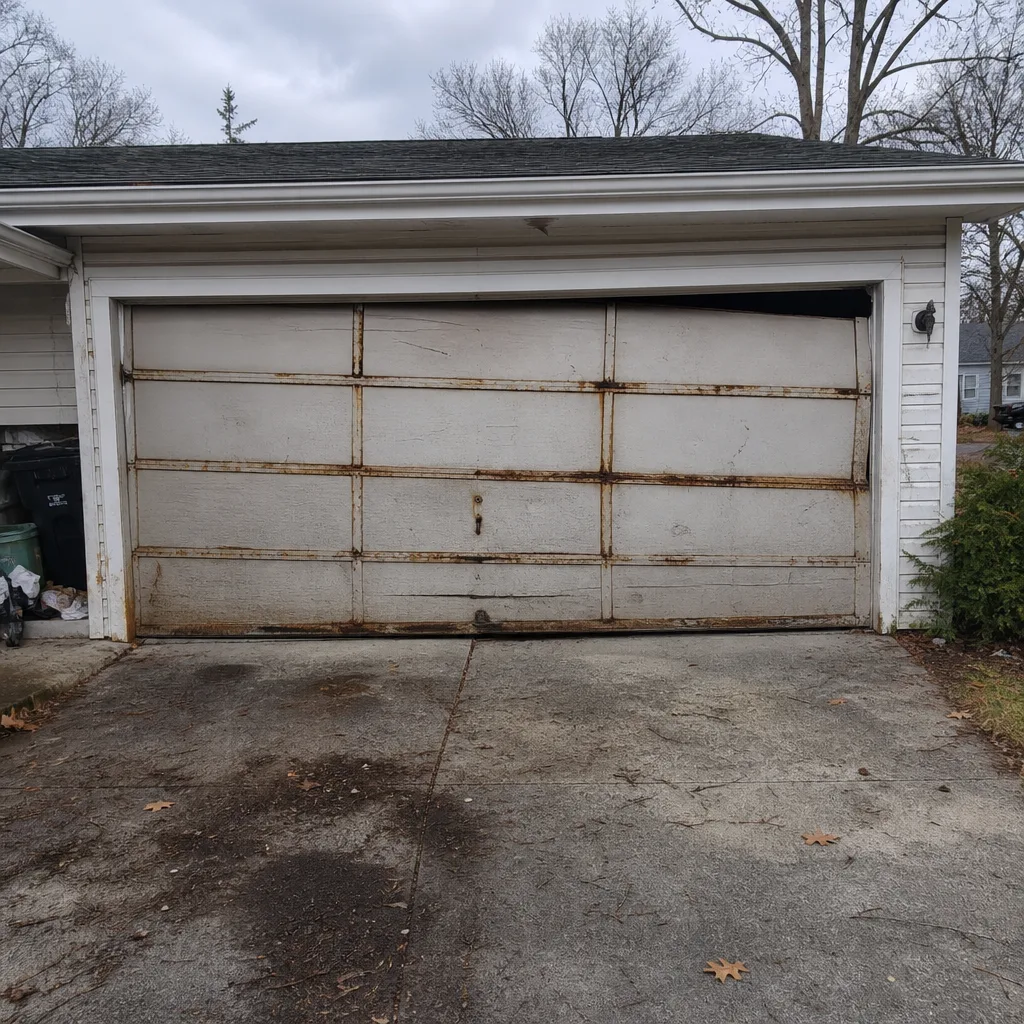 Before
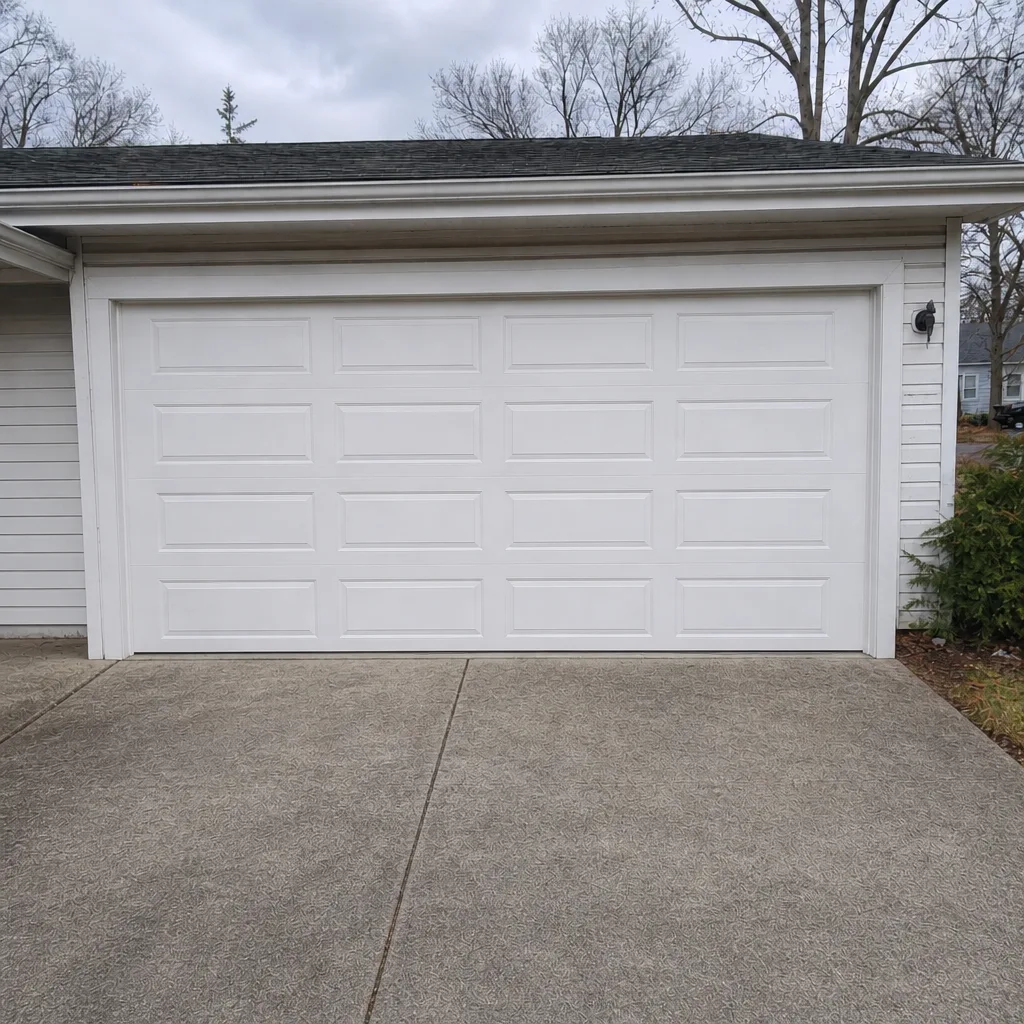 After
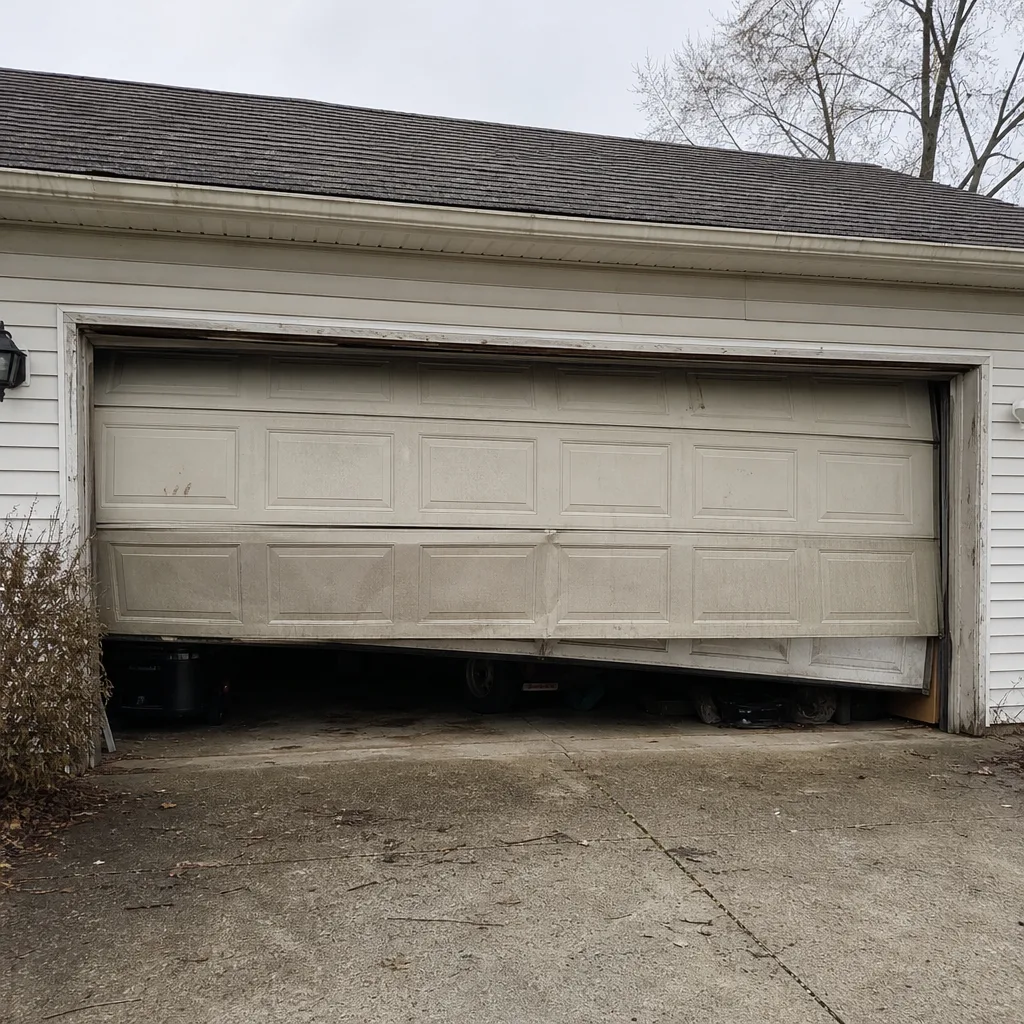 Before
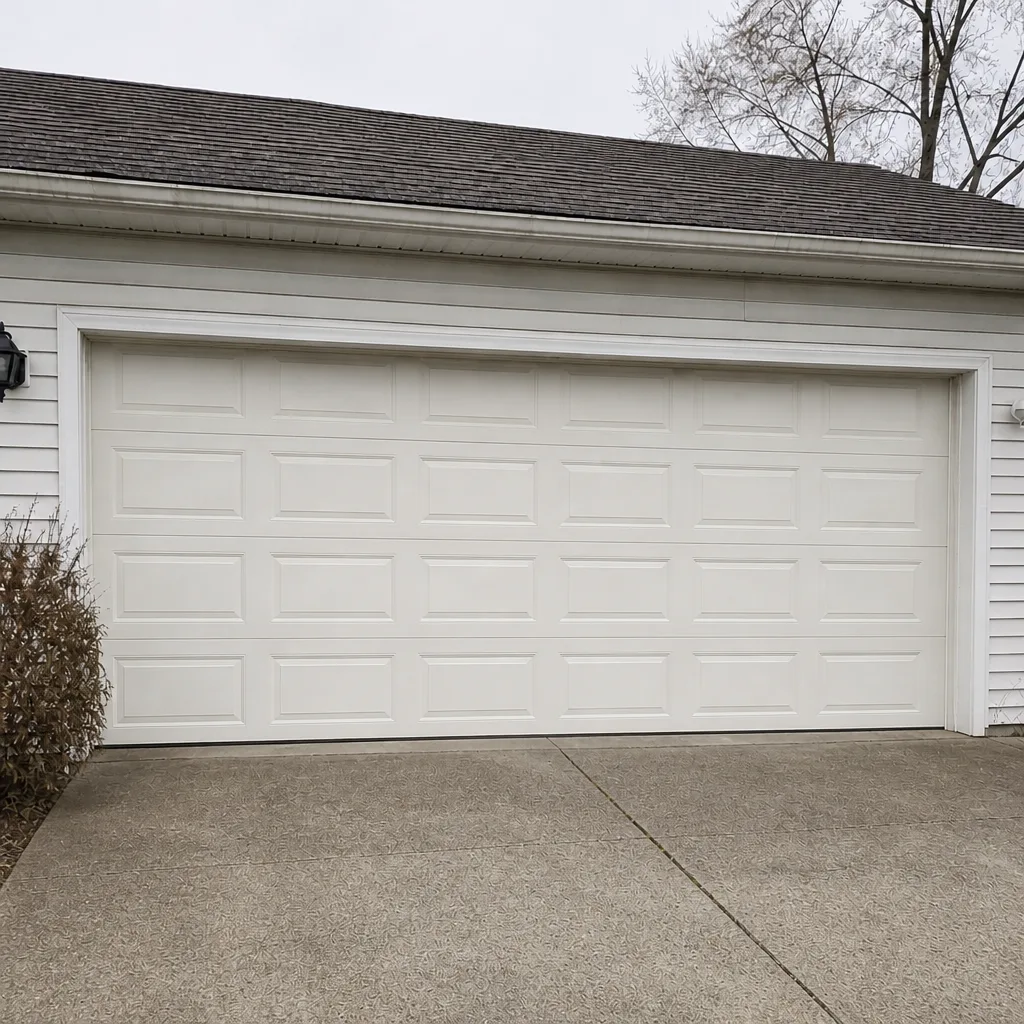 After
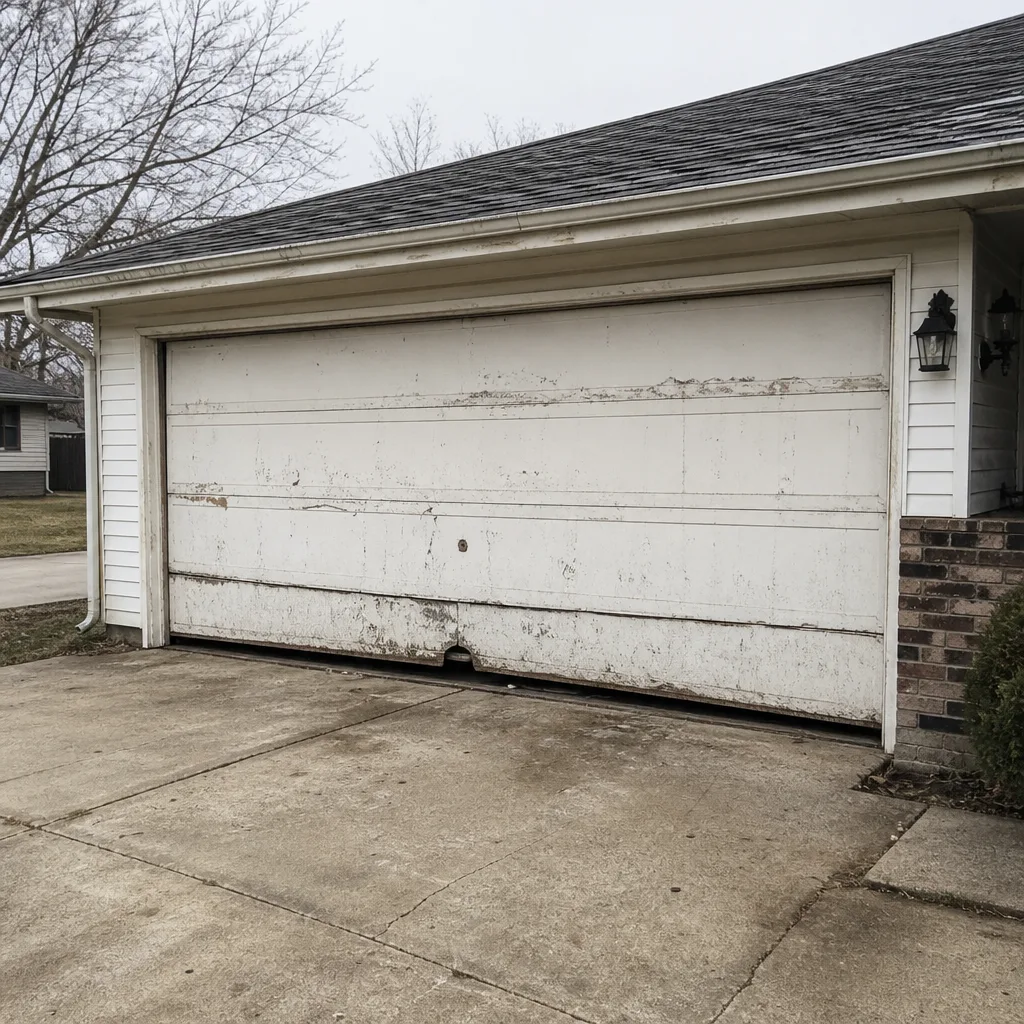 Before
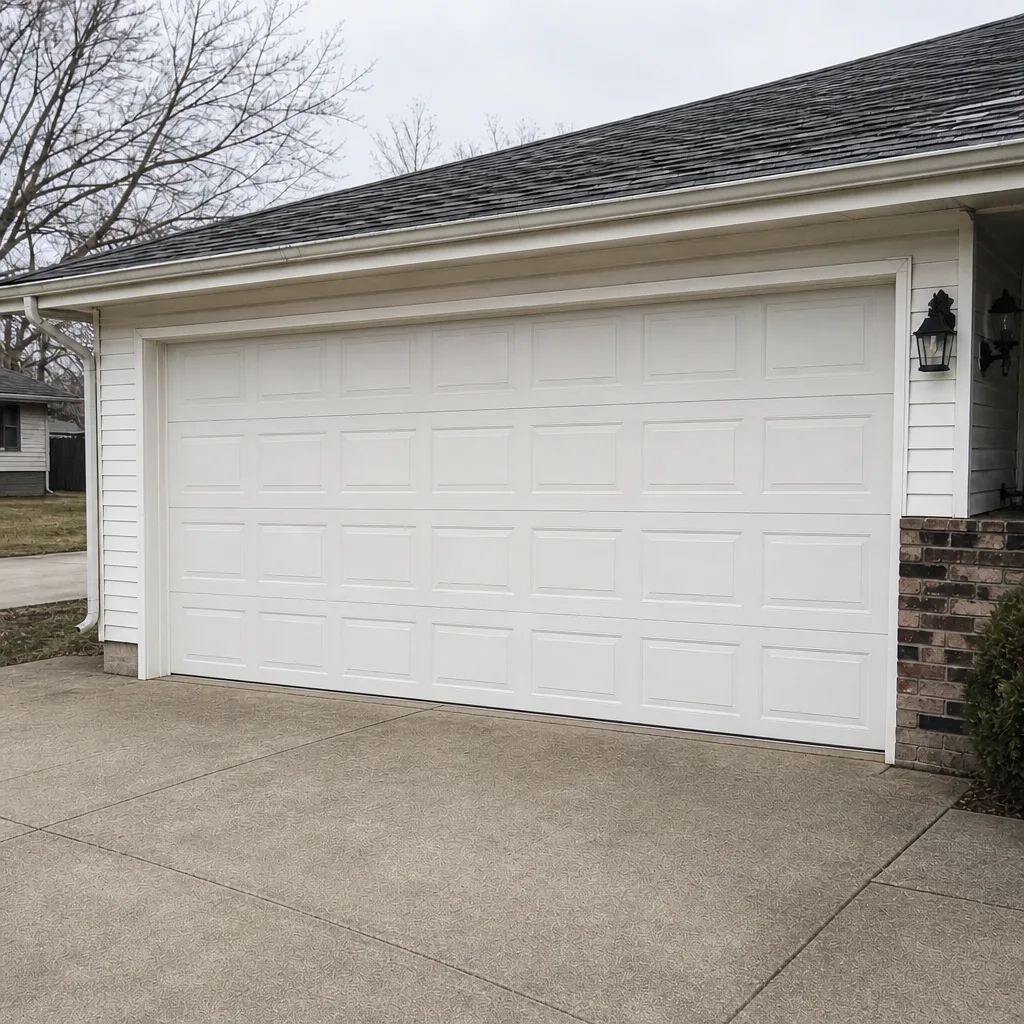 After
When to Call a Professional
Some garage door issues are genuinely DIY territory – a new battery in the opener remote, a wipe-down of the tracks, a tightening of the hinges. Everything else deserves a call. Snap a spring, hear a loud bang from the ceiling above the door, notice the door hangs uneven, or watch a cable dangle and it’s time to stop. The same goes for any garage door that won’t reverse when something is in the path, a door that goes up crooked, a door that the opener can’t hold closed, or a door where the track is visibly bent. Electrical problems with the opener or the wall-mounted button are also worth having checked. On any component under load – springs and cables especially – the correct move is a trained technician, not a YouTube tutorial. Greenwood Garage Door Repair Pros offers free estimates in Greenwood – call (866) 876-9721. Our technicians have up to 13 years of experience, and when your garage door won’t open, every minute counts.
Frequently Asked Questions
Indiana doesn’t have a single statewide garage door contractor license. General contractor licensing exists at the state level, and local registration varies by municipality, so the practical answer is to ask any contractor for the license they hold and verify it through the issuing agency. Call your city’s building department to confirm which registration applies to your project.
Ask them directly and ask for documentation. Both LiftMaster and Clopay run dealer and authorization programs, and a contractor who’s part of one will tell you plainly. If the work is still under the manufacturer’s warranty, you can also confirm with the manufacturer whether a given contractor is authorized before booking the job. Our team works on LiftMaster, Chamberlain, Genie, Clopay, Amarr, Wayne Dalton, Craftsman, and Raynor systems, so most Greenwood homeowners won’t need to find a brand-specific tech elsewhere.
An itemized parts list with manufacturer and model names, a labor breakdown, a diagnosis of what’s being replaced, warranty terms for both parts and labor, and a total with tax. If any of those are missing, request a written scope before agreeing. Call (866) 876-9721 if you’d like an example estimate to compare against – estimates are free.
Call a company that specifically handles emergency garage door service – that’s a core offering at most dedicated garage door shops, not an afterthought. We answer 24/7 and fast dispatch runs from 7am to 7pm, Sunday through Friday. If your call falls outside dispatch hours, we’ll book you into the next opening. Call (866) 876-9721 and describe what’s happening – if a spring is broken or a cable is loose, we’ll tell you whether the door is safe to move before anyone arrives.
You can, but it’s rarely the best option. A contractor who’s done both repairs and installations on your door brand is more likely to spot issues that would affect the install, and a single provider keeps the warranty simpler. Full-spectrum garage door companies handle spring repair, garage door repair, opener work, and new installation, so one call covers all of it.
Not automatically – some are qualified and do solid work. The problem is that some aren’t, and the homeowner can’t tell the difference after a storm. Run the same verification steps you’d run on a local contractor: license, insurance, brand authorization, and a written scope. If a company can’t be reached for a warranty claim a few months later, the lower quote wasn’t a saving.
The Bottom Line
Hiring a garage door contractor in Greenwood isn’t complicated, but it does require ten minutes of actual vetting. Confirm the license and insurance. Confirm the contractor is authorized to work on your specific brand. Ask about OEM versus aftermarket parts and what the cycle life of the spring is. Get a written scope with itemized parts and labor. Agree on price before anyone touches the door. That process separates the real specialists from the generalists and the storm chasers, and it protects you from the one outcome that actually matters: a repair that fails after the truck is gone. Greenwood Garage Door Repair Pros works on the eight major brands, covers repairs and installations, and treats spring work as the serious technical job it is. Call (866) 876-9721 for a free estimate – we answer 24/7, with fast dispatch from 7am to 7pm, Sunday through Friday. From broken springs to full replacements, one call covers it all.
Written by the team at Greenwood Garage Door Repair Pros.