
Last updated November 21, 2026
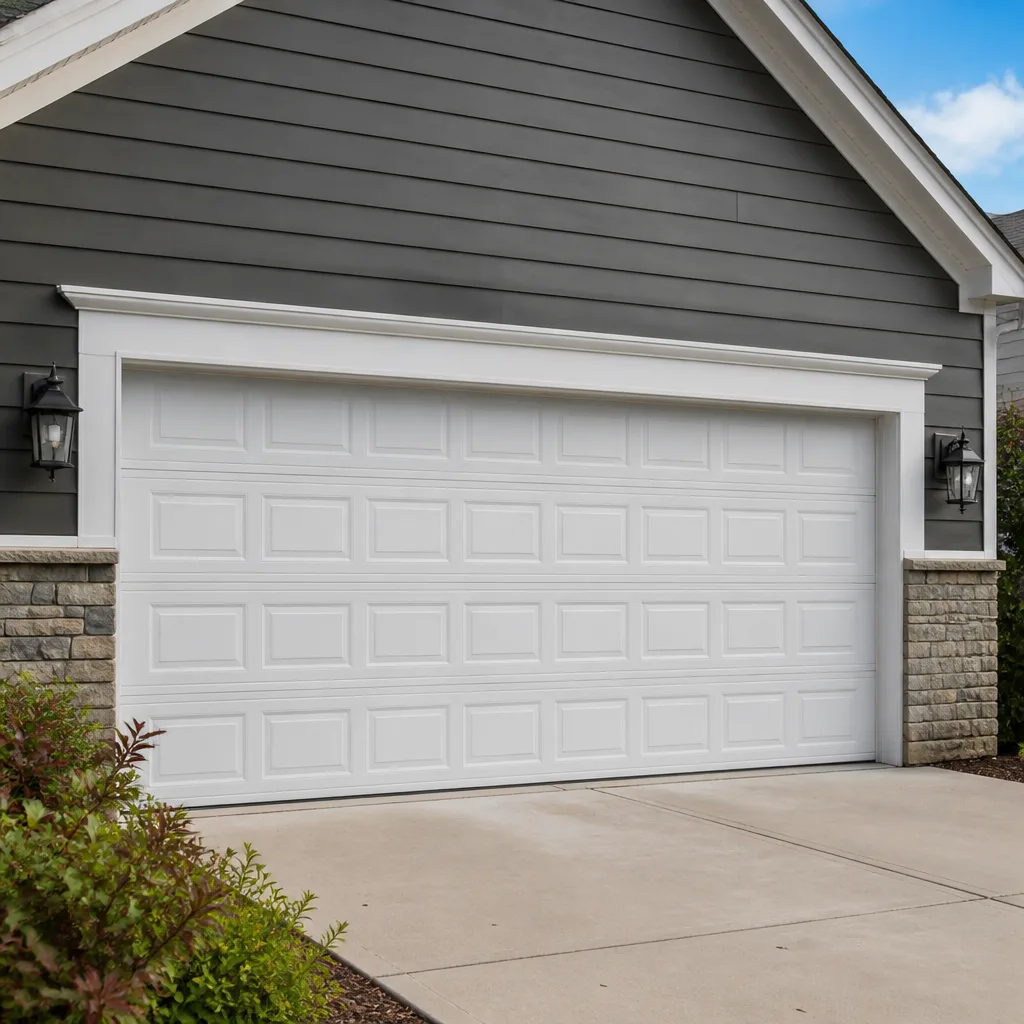 Raised-panel steel
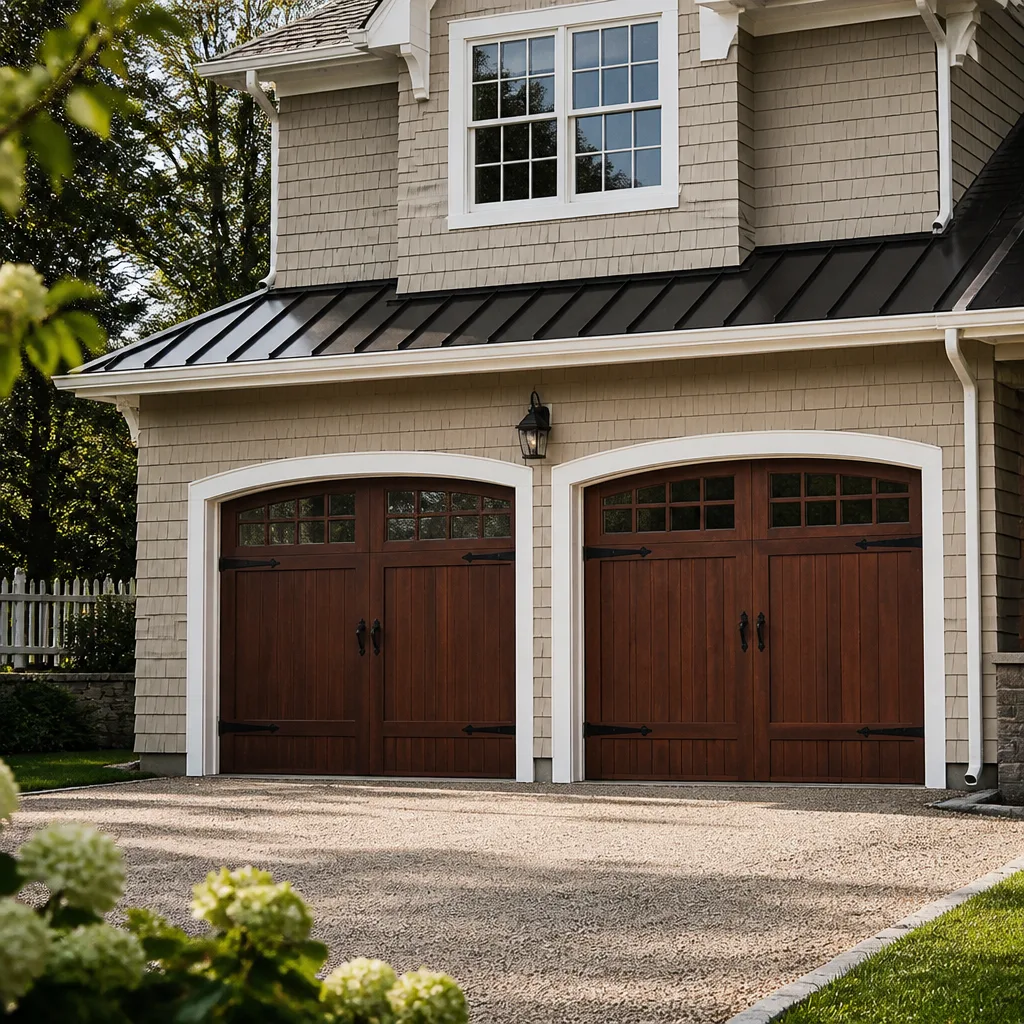 Carriage house
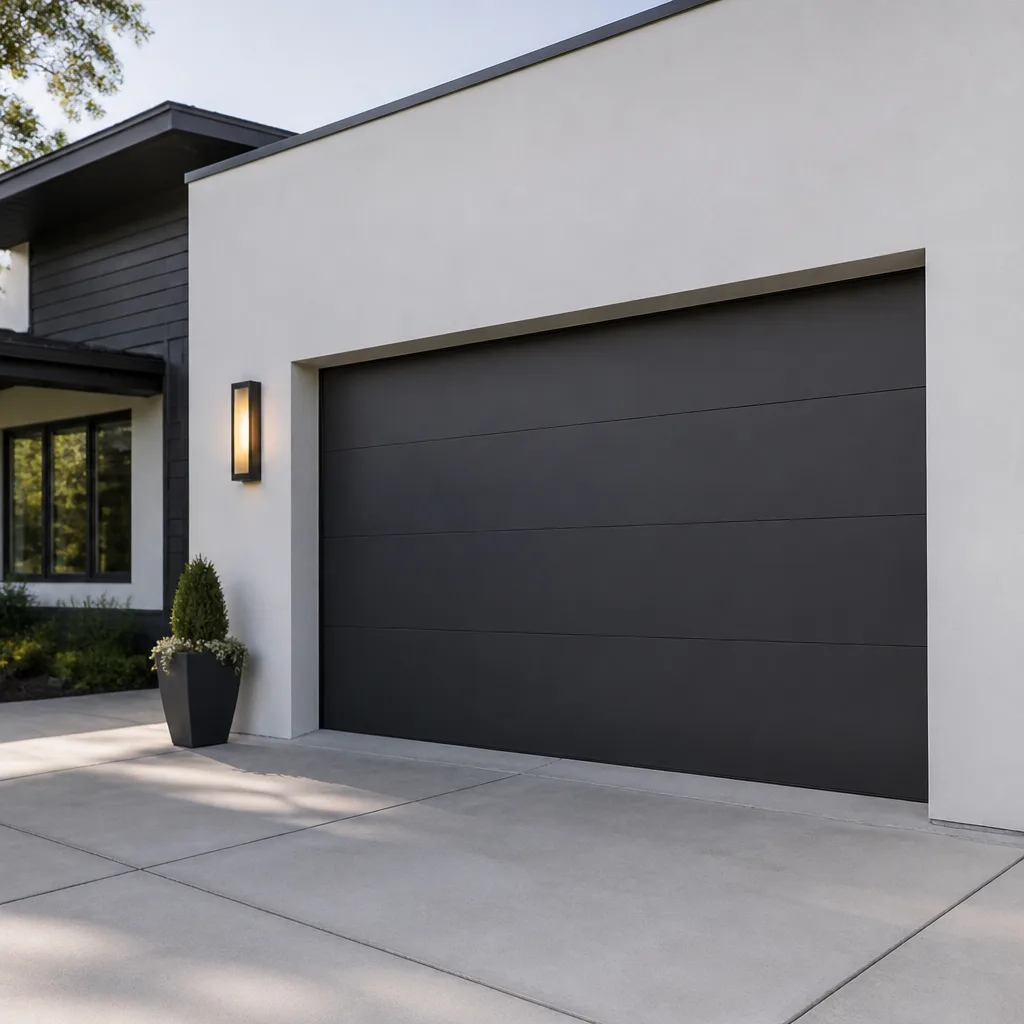 Modern flush
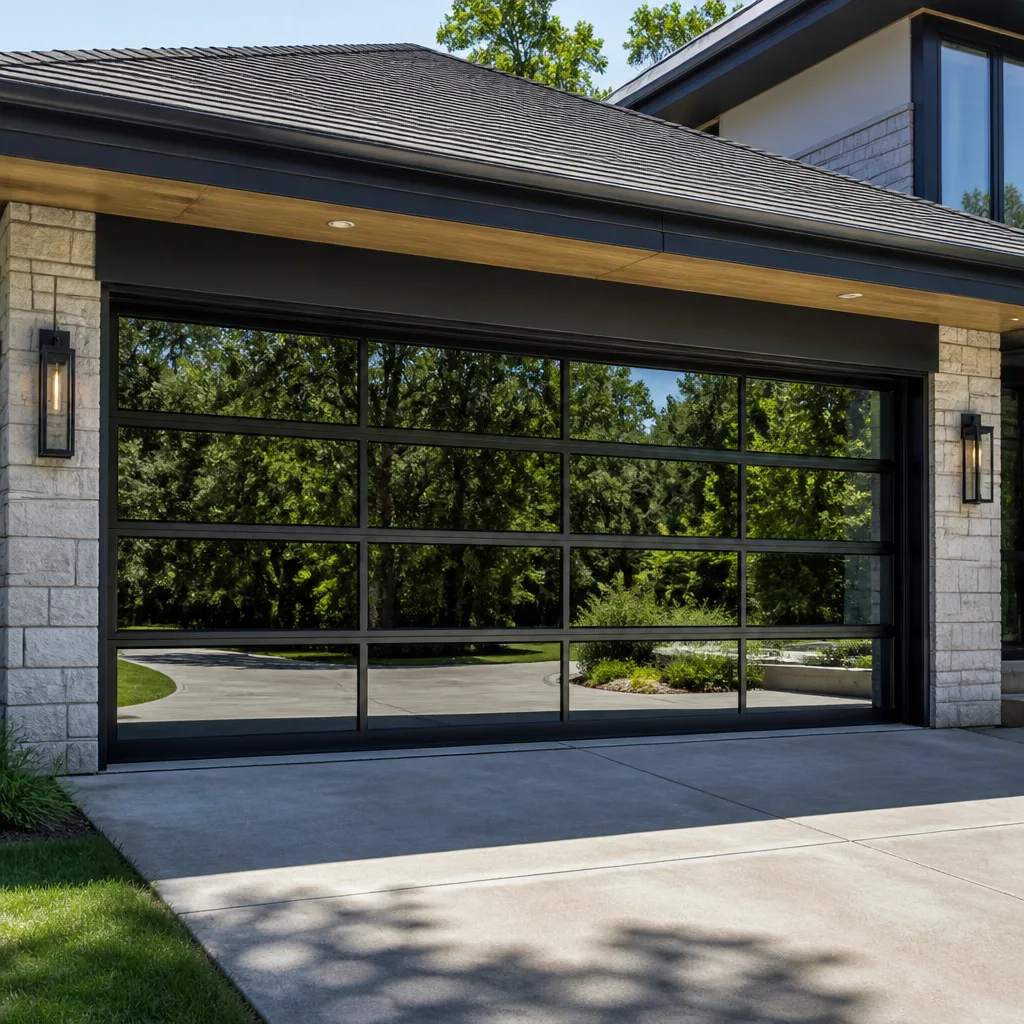 Full-view glass
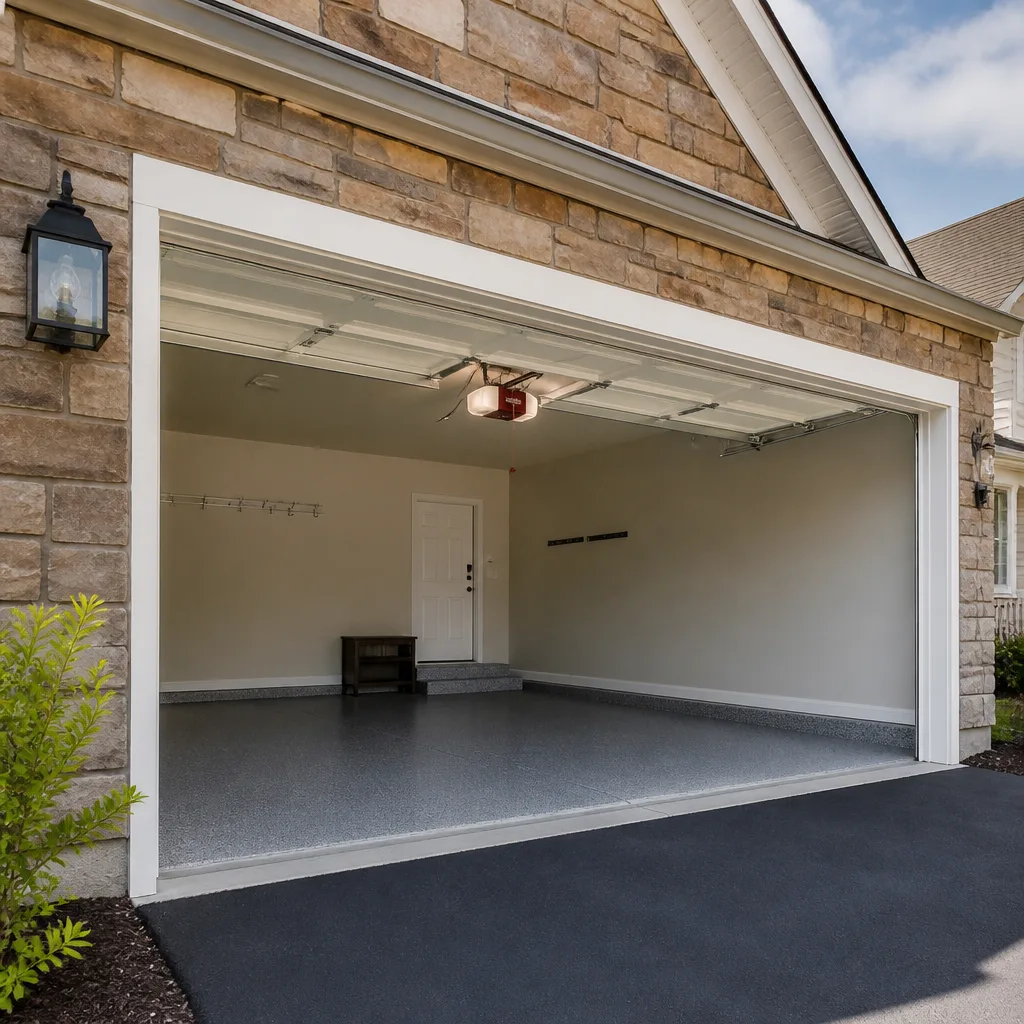 LiftMaster openers
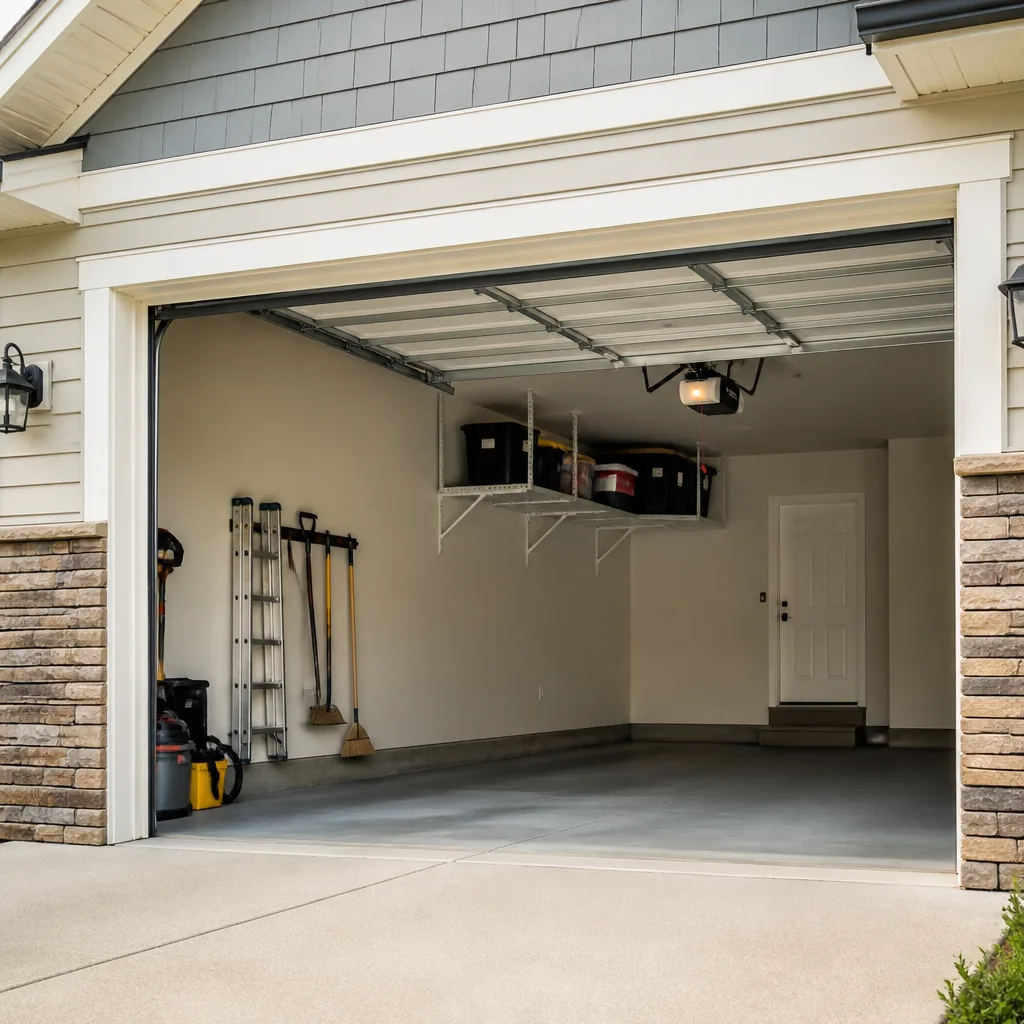 Chamberlain openers
Full 25-point door and opener safety check with every visit - springs, cables, rollers, tracks, and your LiftMaster or Chamberlain opener included
You get a price before we start. It does not change when the pro arrives.
Get your free estimateSeasonal Garage Door Care for Greenwood: Year-Round Homeowner’s Guide
Torsion springs rarely snap in the coldest week of the year. In our experience they let go during the first hard freeze in November or the last one in March, right when the metal contracts quickly after weeks of mild temperatures. That timing is predictable, and a short check in October prevents a lot of it. This guide maps the actual four-season failure calendar for a Greenwood garage door, covering the fall checks that head off winter breakdowns, the freeze-thaw damage to look for in spring, what summer humidity does to wood doors and steel tracks, and why a door that runs smoothly in July can feel heavy and sluggish in December.
Quick Answer
Garage door care in Greenwood follows the weather, not the calendar: the highest-risk moments are the first hard freeze in late fall and the last one in early spring, when cold contracts metal and stresses springs, cables, and seals. Check springs, balance, weatherstripping, and hardware each October, review for freeze-thaw damage each March, watch humidity effects on wood doors through summer, and test the door’s balance before winter. Most serious failures are set up months earlier, so the seasonal check is what keeps the door working when you need it.
Styles & brands we work with
- Raised-panel steel
- Carriage house
- Modern flush
- Full-view glass
- LiftMaster openers
- Chamberlain openers
Table of Contents
- Why Greenwood Doors Fail on a Four-Season Calendar
- The October Pre-Winter Protocol
- Spring Damage Assessment After Freeze-Thaw Cycles
- What Summer Humidity Does to Wood, Composite, and Steel
- Fall Weatherstripping and Seal Inspection
- How Spring Tension Expectations Shift Across Seasons
- Lubrication and Hardware Through the Year
- What You Can Safely Check and What You Can’t
Why Greenwood Doors Fail on a Four-Season Calendar
Most homeowners assume a garage door is either working or broken. In reality it moves through a seasonal stress cycle where each transition creates a distinct weak point. Greenwood sits squarely in the Midwest four-season pattern: warm, humid summers, crisp falls, freezing winters with repeated freeze-thaw swings, and wet springs that dry out fast. Every one of those swings puts torque and flex through the same set of moving parts, and the parts that take the most load – springs, cables, rollers, and hinges – pay the price.
Here’s what that means in practical terms. It’s not the single deep-cold day that does the damage. It’s the transition. Metal contracts as temperatures fall, so a spring under tension sees its load change. Seals stiffen. Track tolerances narrow. Then the thaw loosens everything back up, and any wear that built up over winter has had a full season to set.
The four phases that matter
- Late fall (October-November): The pre-winter window. Anything loose, worn, or out of balance gets tested for the first time under cold. This is the highest-value check of the year.
- Winter (December-February): The failure window. Springs and cables break, doors freeze to the floor, and opener gears strain against a stiff door.
- Spring (March-April): The damage-assessment window. Freeze-thaw has run its course and the garage is taking on moisture. Time to catch what winter loosened before it compounds.
- Summer (May-September): The humidity window. Wood and composite doors swell, steel tracks take on condensation, and the door runs differently than it did in February.
If you only think about the door in January, you’re missing three of the four phases. The real leverage is in the fall check and the spring review – one stops the failure, the other stops the damage from spreading. Our Greenwood Garage Door Repair Pros team spends more time on those two windows than any other part of the year.
The October Pre-Winter Protocol
October is the single most useful month on a Greenwood garage door maintenance calendar, and a 15-minute check can prevent the majority of the emergency calls we handle in January and February. You’re looking for anything that will fail under cold, before cold arrives.
The 15-minute October check
- Test the balance. Disconnect the opener (pull the release handle), lift the door to waist height, and let go. A healthy door stays put. One that drops or sags means the springs are losing tension and will struggle in the cold.
- Look at the springs. On torsion springs, check the coil for a visible gap or separation. On extension springs, look for stretched coils or a broken safety cable. Don’t touch the springs – just look. Any gap or sag is a call-in item.
- Check the weatherstripping along the bottom. Run your hand along the bottom seal. If it’s cracked, flat, or hard to the press, it will leak cold air all winter and let snow blow in under the door.
- Look at the hinges and rollers. Worn rollers, cracked nylon wheels, and loose hinge plates are easy to spot and easy to fix before they become a jam.
- Test the opener’s auto-reverse. Place a 2-inch block of wood under the door and close it. The door should reverse when it meets the block. If it doesn’t, the opener needs adjustment before winter.
- Clear the tracks. A small stone or leaf jammed in a track will bind the door the first time the cold stiffens the rollers.
- Lubricate the moving parts. A light garage door lubricant on the hinges, rollers, and springs (only where the manufacturer advises) reduces cold-weather friction.
The number one thing we see that people skip? The balance test. Homeowners notice a noisy door but not a heavy one, and heavy doors eat spring life faster than anything else.
Spring Damage Assessment After Freeze-Thaw Cycles
By the time March arrives, Greenwood has usually been through a dozen freeze-thaw swings. Every thaw loosens what every freeze tightened, and the result is subtle damage that’s easy to miss until it turns into a stuck door in June. Spring is the time to catch it.
What to look for after the thaw
- Track alignment. Freeze-thaw cycles can shift the track on a settling slab. Look for a gap between the door edge and the track, or a track that looks out of plumb. A door that squeals or drags on one side is a sign.
- Cable wear. Look at the cables at each side. Fraying, kinks, or rust near the drum are red flags. Don’t inspect cables up close while the door is under tension – look from a safe distance and call a professional for anything suspicious.
- Spring gaps. A torsion spring that developed a slight gap in fall can open fully over winter. Extension springs can stretch out to the point they no longer balance the door. Both are replace-before-failure items, not wait-and-see ones.
- Rust on hinges and springs. Garage interiors in Greenwood pick up moisture in late winter as melting snow drains past the door. Surface rust on hinges is manageable; corrosion on the spring coils is not.
- Panel deformation. Freeze damage, ground movement, or a door that sagged on one side can bow a panel. It’s often cheaper to address a bowed panel in spring than a full door later.
Our advice is to schedule the spring review for the first dry weekend after the last hard freeze. That’s when the damage is visible and the weather is warm enough to leave the door open while you look. If you find broken springs or frayed cables, that’s our area of expertise – a dedicated spring repair call is safer than a repair after they fail. Reach out for garage door spring repair if you spot anything on the list.
What Summer Humidity Does to Wood, Composite, and Steel
Greenwood summers push humidity well above what a garage door is built to forget. Wood and composite doors absorb that moisture and swell, steel doors can sweat on the inside, and both outcomes change how the door runs against its tracks.
Wood and composite doors
Wood doors, including many Wayne Dalton and Amarr models, absorb moisture through unfinished edges and the bottom rail. Swelling is the most common summer issue: a panel that fit cleanly in March can bind against the track by July. The fix is usually not a repair but a check – make sure the bottom seal is intact so water can’t wick up, and confirm the door isn’t rubbing. A wood door that has already swelled once may need to be refinished on the bottom edge.
Steel doors
Steel doors, including most Clopay and Craftsman models, don’t absorb moisture but they do rust where water collects. The bottom edge, hinges, and any scratched panel are the usual suspects. A quick wash-down and touch-up in summer is worth more than a repair in winter.
Track alignment in heat
Steel tracks expand slightly in summer heat, and a track that was tight in February can loosen a quarter inch by August. Usually it’s harmless. Sometimes it’s the reason a door starts catching. If your door runs smoothly in winter and rough in summer (or the reverse), track alignment is the first thing to check.
If the door has started binding in summer, the problem may not be humidity at all – it may be a worn roller or a hinge that needs a look. That’s a garage door repair call, and it’s cheaper to fix it now than to wait for the door to jam in July.
Fall Weatherstripping and Seal Inspection
Weatherstripping is the cheapest part on your garage door and the one that fails the earliest. In Greenwood, the average first freeze lands in the back half of October, which makes the second week of that month the practical deadline for a seal check. A seal that’s intact in September can stiffen and crack after a few frosts – once it’s cracked, the door won’t fully close the gap and the whole garage gets colder.
Where to check
- The bottom seal. Run a hand along the bottom of the door. It should feel soft and spring back. If it’s flattened, cracked, or hard, replace it before the freeze.
- The side and top seals. These are easy to overlook. Look for daylight coming through when the door is closed.
- The threshold. The floor seal – the raised strip the door drops onto – takes a beating from rain and snowmelt. If water pools on the garage floor after a storm, the threshold is the first suspect.
- Corners and jambs. Check for gaps at the corners where the door meets the frame. A cold draft in one corner usually means the seal has pulled loose.
If you’re not sure what condition your seals are in, this is one of the best reasons to book a seasonal check. A seal replacement is a small job with a big payoff across the winter. If you’d rather wait until the door stops closing properly, it becomes a garage door opener repair problem when the opener strains to force the door against a stiff seal.
How Spring Tension Expectations Shift Across Seasons
A garage door that feels perfectly balanced in July can feel noticeably heavy by December. That’s not always a failing spring. Cold thickens the lubricant in the rollers, stiffens the seals, and contracts the metal slightly, all of which adds perceived weight. But there’s a threshold. A door that’s heavy in winter because it’s cold is normal. A door that’s heavy because the spring has lost tension is a safety issue, and the two look similar from the outside.
How to tell the difference
- Do the balance test in mild weather. A door that fails to hold at waist height in October is already losing tension. Note the result and repeat in January. If it’s noticeably worse in January, the cold is a factor, but the underlying issue is the spring.
- Listen for strain. An opener that struggles audibly in winter is fighting a door that’s too heavy. That’s a two-part problem: the spring may be weak, and the opener is paying the price.
- Listen to the door itself. If the door runs smoothly but the opener seems to work harder, the rollers need lubricant. If the door feels heavy even after lubrication, the spring is the suspect.
- Don’t adjust the spring yourself. Torsion springs are under enormous tension and are among the most dangerous parts of any garage door. This is a job for a trained technician, every time.
One more reason not to guess: a spring that’s genuinely losing tension will usually fail during a temperature swing, and the swing happens in November and March, not in July. Catching it before the swing is the whole point of the seasonal check. If you’re seeing signs of tension loss, our team handles garage door spring repair as a dedicated service because it’s one of the most hazard-prone jobs on the door.
Lubrication and Hardware Through the Year
Lubrication is the least glamorous part of garage door care and the easiest to under-do. A dry hinge or a rough roller adds friction with every open and close, and friction turns into heat, wear, and eventually a jam. In a Greenwood four-season climate, the lubrication schedule should follow the temperature, not a single annual reminder.
A simple lubrication rhythm
- Fall (October): Before cold sets in, lubricate hinges, rollers, and the torsion spring coils where the manufacturer allows. Cold makes any existing friction worse.
- Spring (March-April): After winter, check for rust and re-lubricate any moving parts that picked up moisture.
- Summer (June): A light reapplication on hinges and rollers takes five minutes and helps the door run quietly through the humid months.
A few hardware checks deserve a spot on the same rhythm:
- Tighten the bolts on the hinges and the track brackets with a socket wrench – not over-tight, just snug.
- Look for loose roller brackets; a roller that’s rattling is often just a loose bracket.
- Check the opener’s safety sensors: a small misalignment can shut the door down with a phantom “object detected.” In Greenwood winters, snow and leaves blow in under the door and trip the sensor more often than you’d expect.
The opener is the piece of hardware most likely to be blamed for a door problem that actually lies elsewhere. A Craftsman or Genie opener that seems to be failing is often fine – the door is out of balance and the opener is doing more work than it should. That’s why a proper check looks at the whole door, not just the box on the ceiling.
What You Can Safely Check and What You Can’t
Some of this you can do safely in 15 minutes. Some of it you shouldn’t touch. Being clear on the line is the single most important safety decision a homeowner makes with their garage door, and it’s a line we walk carefully with every customer.
Safe for a homeowner
- Visual inspections of springs, cables, tracks, and seals – look, don’t touch
- Lubricating hinges and rollers according to the manufacturer’s instructions
- Tightening visible bolts on the hinges and track brackets
- Testing the opener’s auto-reverse with a 2-inch block
- Cleaning tracks and checking that the safety sensors are aligned
- Replacing the bottom seal on most standard doors
Not safe for a homeowner
- Adjusting, replacing, or removing torsion or extension springs
- Touching cables or the drum while the door is under tension
- Adjusting the door’s balance or counterweight system
- Opening the opener housing or adjusting the force-limit settings without the manual
- Working on the track while the door is in a raised position
Torsion springs hold hundreds of pounds of stored force. When one lets go, it can do real harm to anyone in the way, and there’s no safe way to test one by hand. If your visual check finds a gap, a break, or a stretched coil, stop there and call a trained professional. That’s not a sales pitch – it’s the one caution we repeat most often.
Common Mistakes to Avoid
- Waiting for the first freeze to check the door. By then, any weakness has already become a repair. The fall check is what makes the winter quiet.
- Skipping the balance test because the door “seems fine.” A door that runs smoothly can still be losing spring tension. The balance test takes two minutes and catches it early.
- Ignoring summer swelling on wood doors. A wood door that binds in July is often a wood door that needs a bottom-seal replacement, not a new door. Catch it early.
- Oiling the tracks. Tracks should be clean and dry, not oiled. Lubricant in the track collects grit and makes the door run worse.
- Assuming a noisy opener is a broken opener in Greenwood. The opener is often the messenger. The problem is usually the door’s balance, seals, or rollers.
- Hiring a generalist for a spring repair. Springs are a specialty. Our garage door repair team handles them as a dedicated service because the wrong hands on a spring is how people get hurt.
- Letting a stuck door sit all winter. In Greenwood, a door that won’t close in December lets snowmelt in and freezes the mechanism by January. That’s an emergency call, and it’s better made before the freeze than after.
See the difference
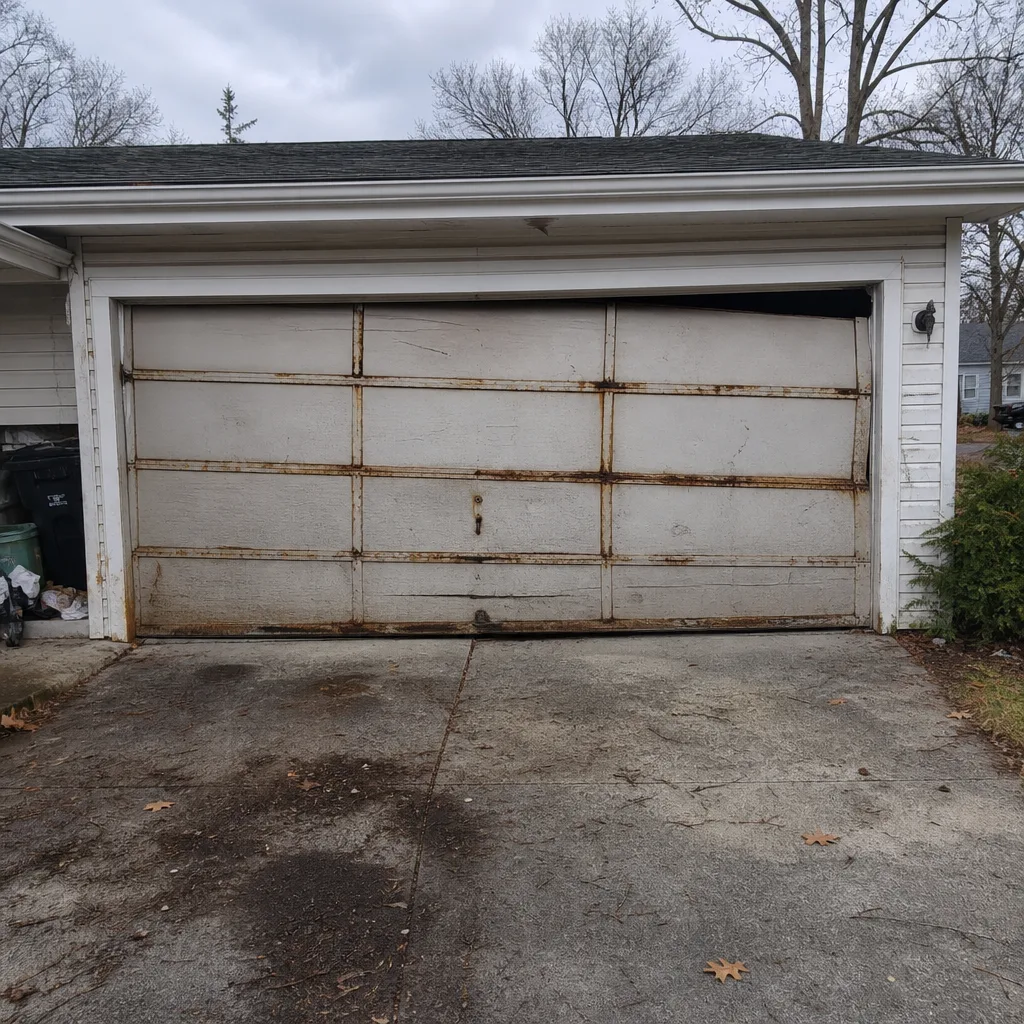 Before
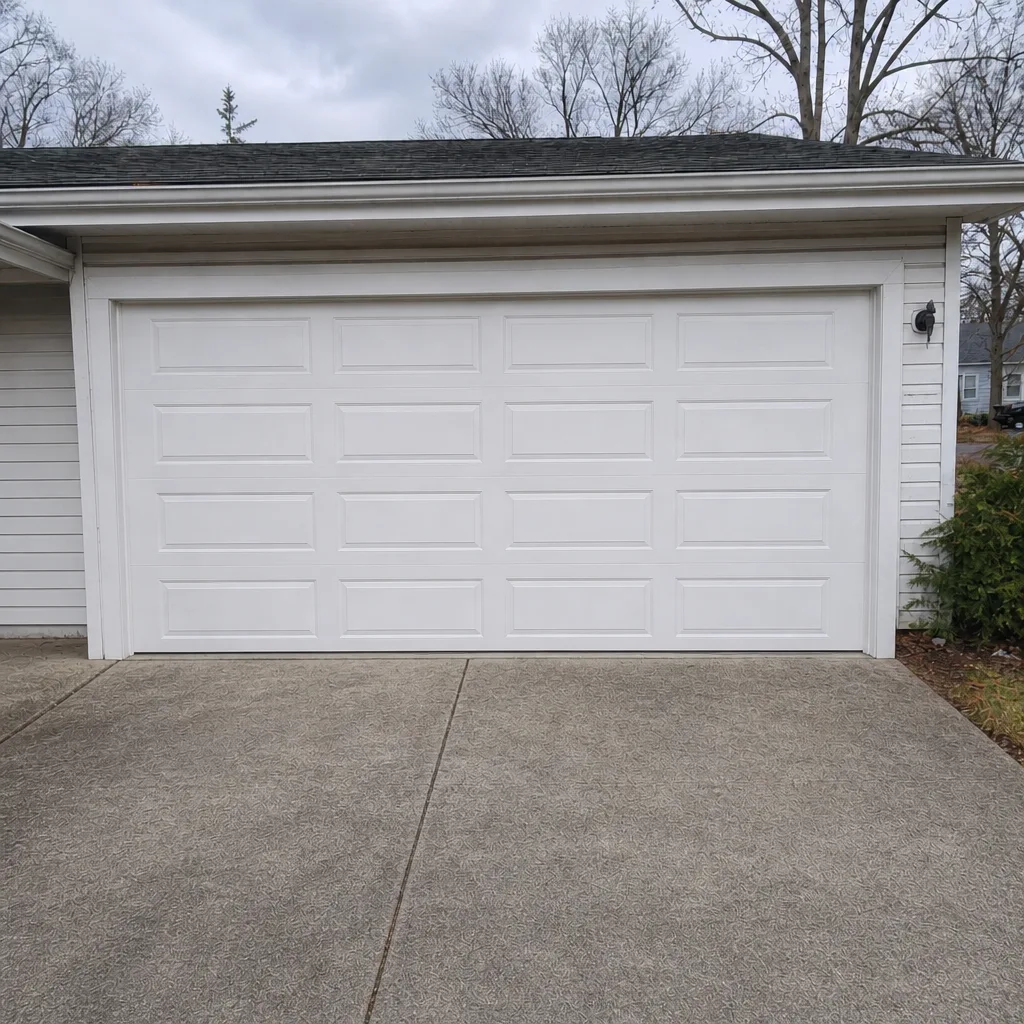 After
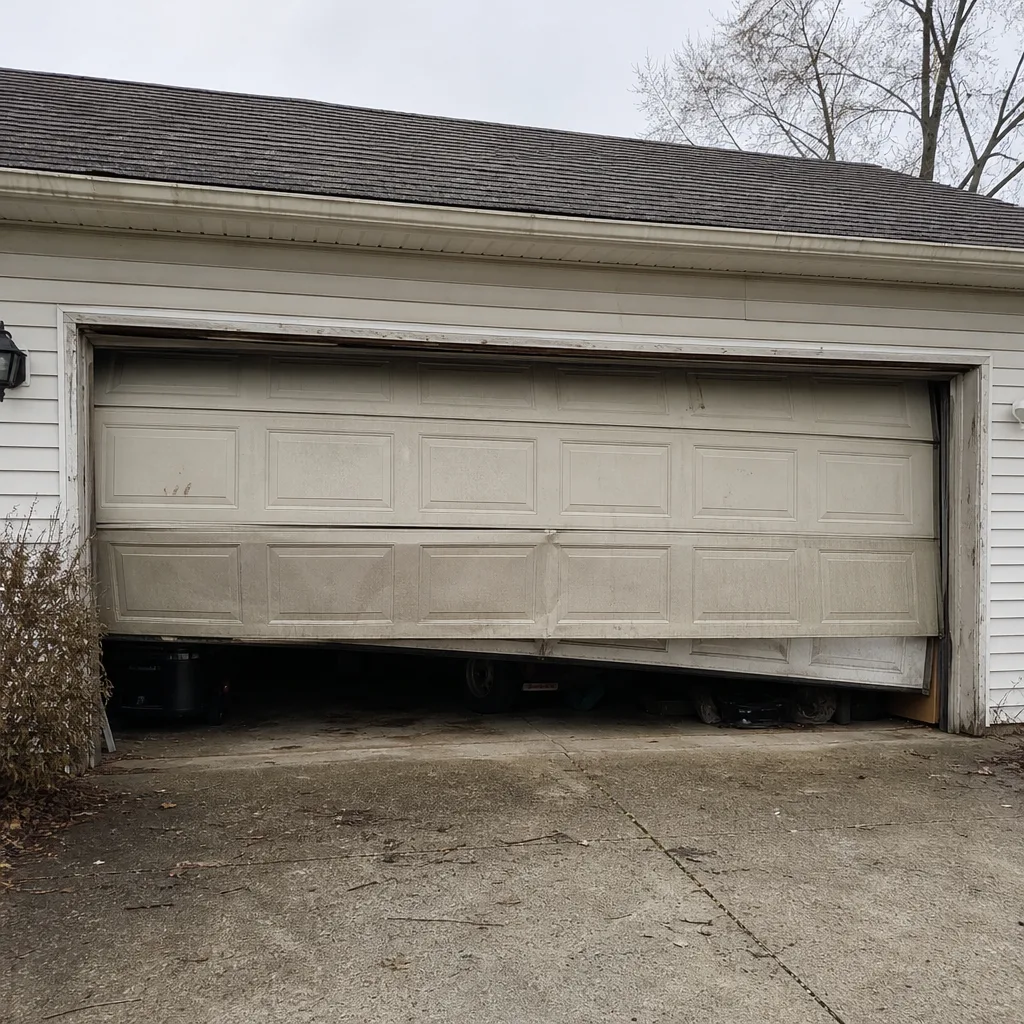 Before
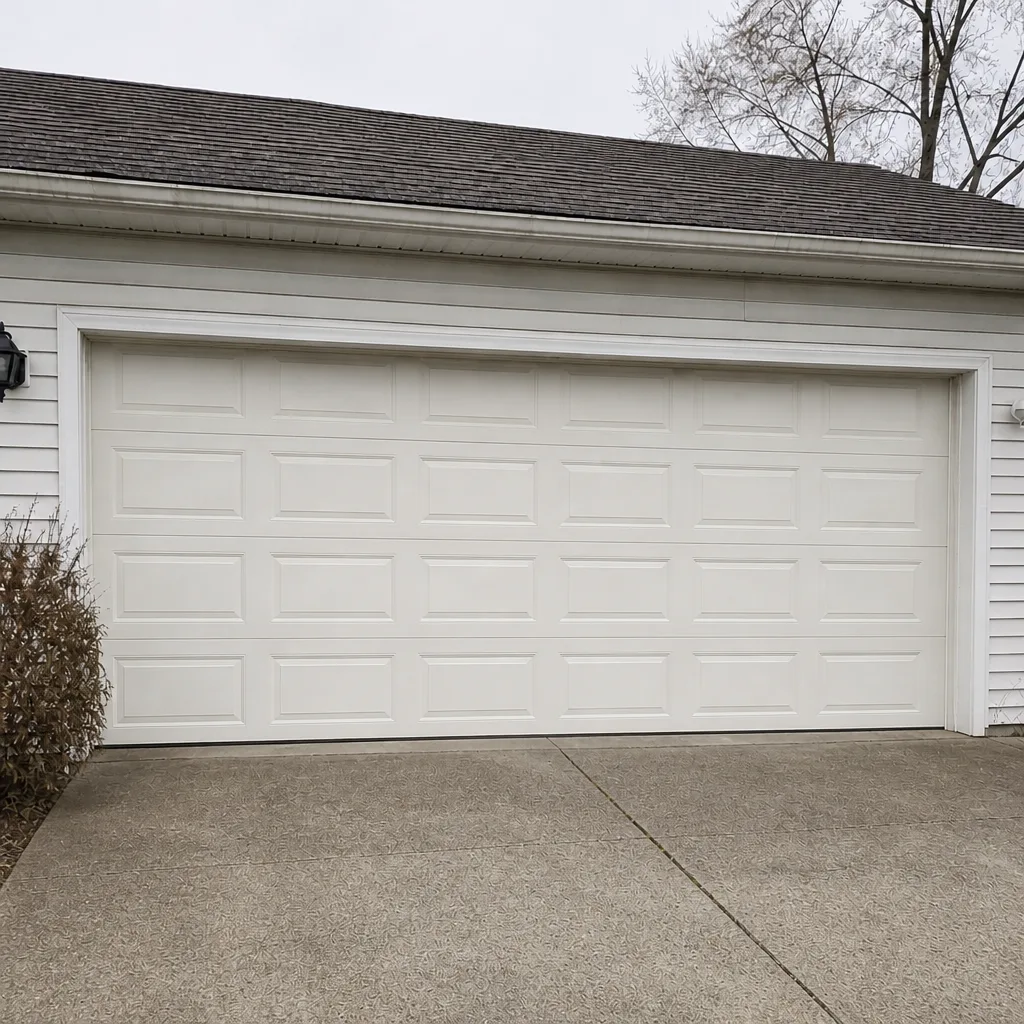 After
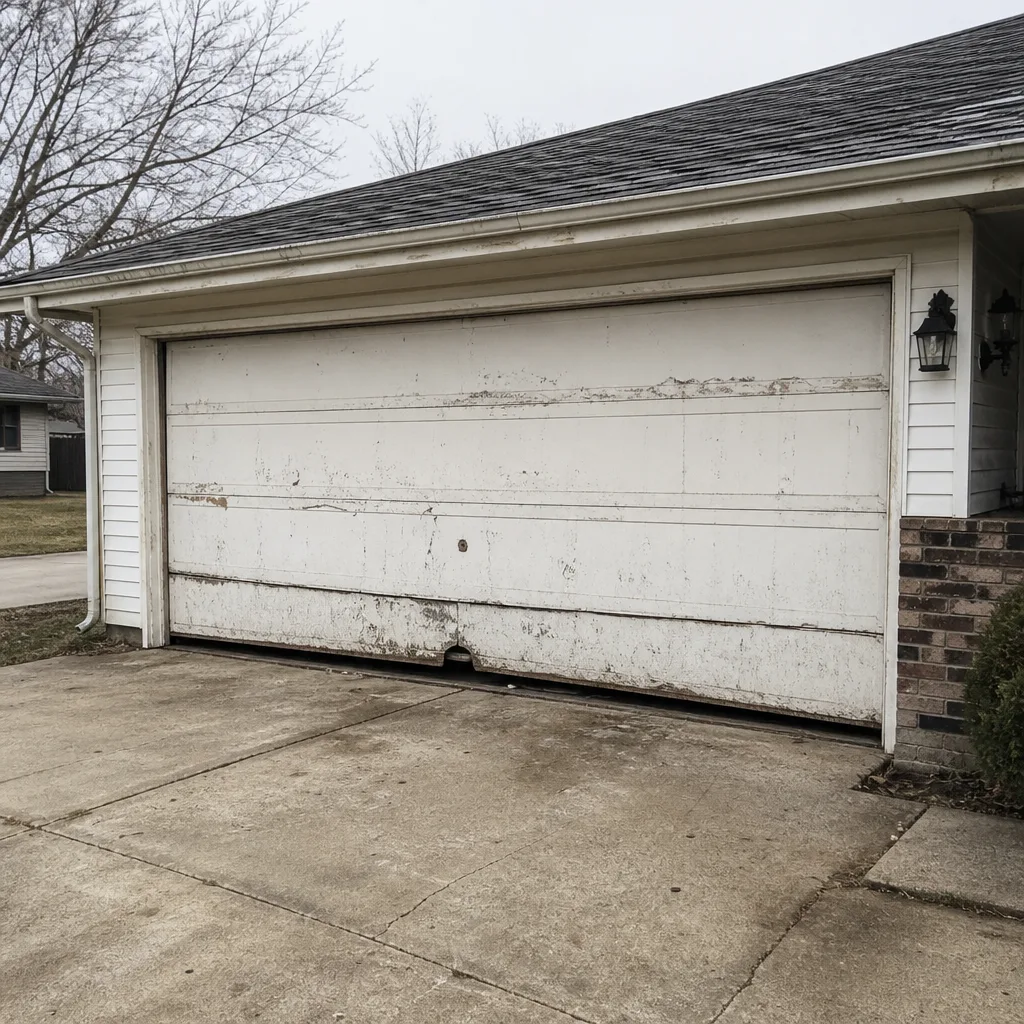 Before
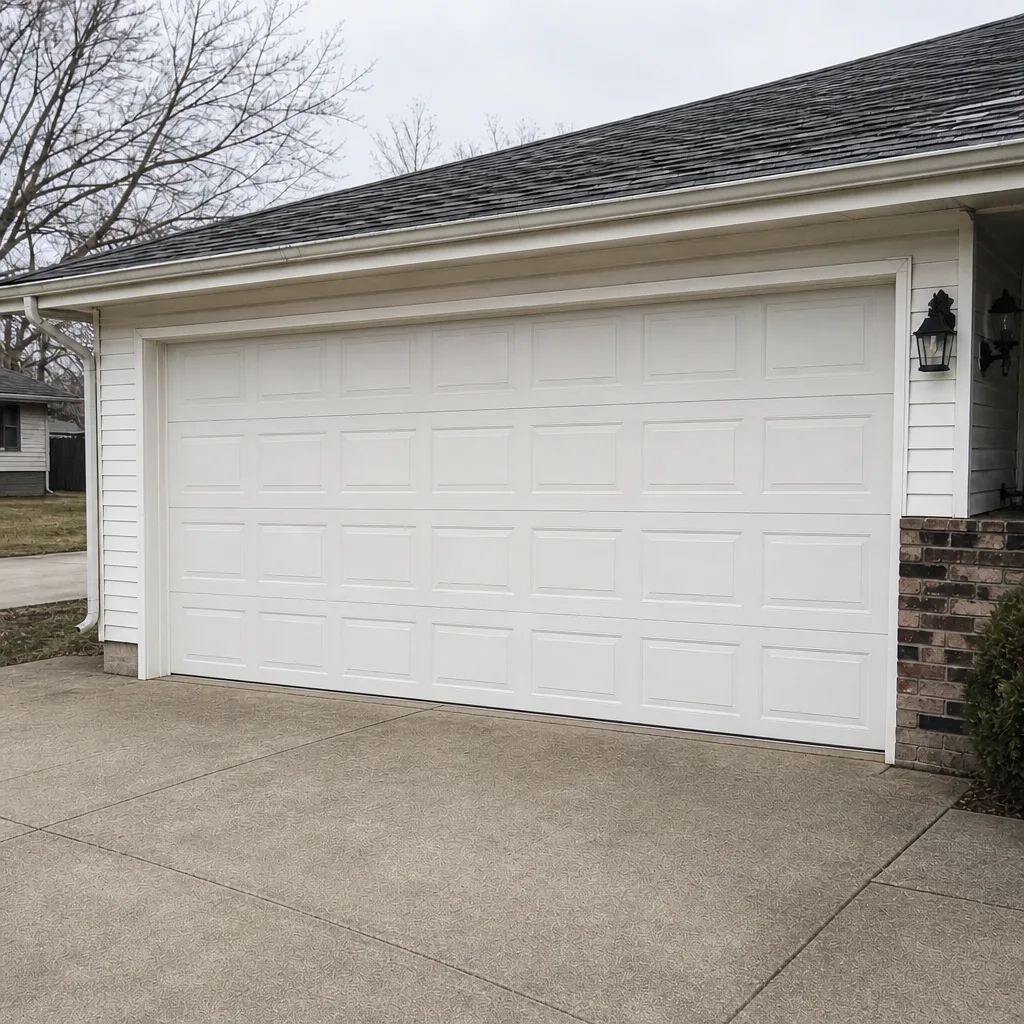 After
When to Call a Professional
Some issues are worth a call the moment you spot them: a snapped or visibly separated spring, a cable that’s frayed or off the drum, a door that’s stuck half-open, a door that slams shut instead of reversing, or an opener that runs but doesn’t move the door. Any of those is a hazard to the car, the door, or the person underneath it, and a trained technician should see it. Other situations are less urgent but still worth scheduling: a door that feels heavy in cold weather, a seal that failed its fall check, an opener that strains, a door that’s loud in summer, or a smell of burning from the opener motor. If you’re not sure which list your issue falls under, call anyway – a free estimate is how you find out. Greenwood Garage Door Repair Pros offers free estimates in Greenwood. Call (866) 876-9721; we answer 24/7, and fast dispatch from 7am to 7pm, Sunday through Friday, gets a technician to the door when it matters. Our technicians have up to 13 years of experience, and most repairs are completed in a single visit. From broken springs to full replacements, one call covers it all.
Frequently Asked Questions
October is the highest-value month for a garage door check in Greenwood, because it’s the last window before the first hard freeze arrives. A second check in March or early April catches freeze-thaw damage after winter. If you only do one check per year, do the October one.
Cold thickens lubricant in the rollers, stiffens the bottom seal, and contracts the metal slightly, all of which add weight to the door. If the door feels heavy even after lubrication, the spring is likely losing tension and should be checked by a professional. Don’t try to adjust the spring yourself; it’s under dangerous load.
Yes. Wood and composite doors absorb moisture through unfinished edges and the bottom rail, which can cause panels to swell and bind against the track. Make sure the bottom seal is intact to stop water wicking up, and have a door that binds checked before it becomes a jam.
Run your hand along the bottom seal. It should feel soft and spring back. If it’s cracked, flattened, or hard, replace it before the first freeze. Check the side and top seals for daylight coming through when the door is closed.
You can safely look at the springs for a gap or separation, but never touch them while the door is under tension. Torsion springs hold enormous stored force and can cause serious injury. If you see a gap, a break, or a stretched coil, call a trained technician.
We work on the major brands homeowners in Greenwood actually own, including LiftMaster, Chamberlain, Genie, Clopay, Amarr, Wayne Dalton, Craftsman, and Raynor. Call (866) 876-9721 with your brand and model and we’ll confirm. If you’d rather check the door yourself later, start with our garage door opener repair guide or book a free estimate.
The Bottom Line
A garage door in Greenwood lives through four distinct seasonal stress points, and the failures that look sudden are usually set up months earlier. The single highest-value habit is a 15-minute check in October: balance test, spring look, seal check, hardware tighten, opener test. The second is a spring review after the last freeze, when freeze-thaw damage is visible and fixable. Summer is about humidity and swelling, especially on wood doors, and fall is about seals. Springs, cables, and anything under tension belong to a trained technician – no exceptions. When the door needs a repair, a free estimate is the fastest way to get a straight answer. Call (866) 876-9721 for a free estimate. We answer 24/7, with fast dispatch from 7am to 7pm, Sunday through Friday. Greenwood Garage Door Repair Pros is here for the repair, the opener, the spring, or the full replacement – but the fall check is the one you can do yourself, and it’s the one that saves the most calls.
Written by the team at Greenwood Garage Door Repair Pros.