
Last updated November 21, 2026
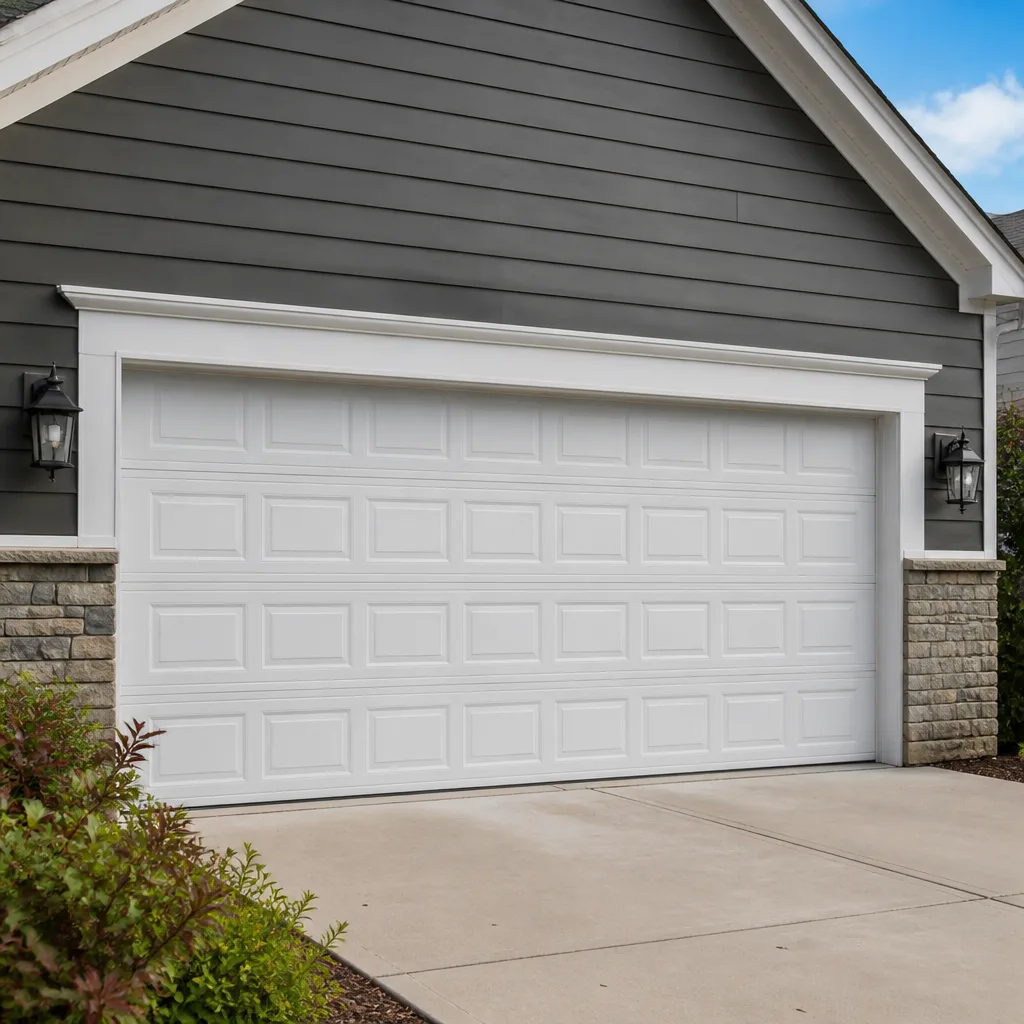 Raised-panel steel
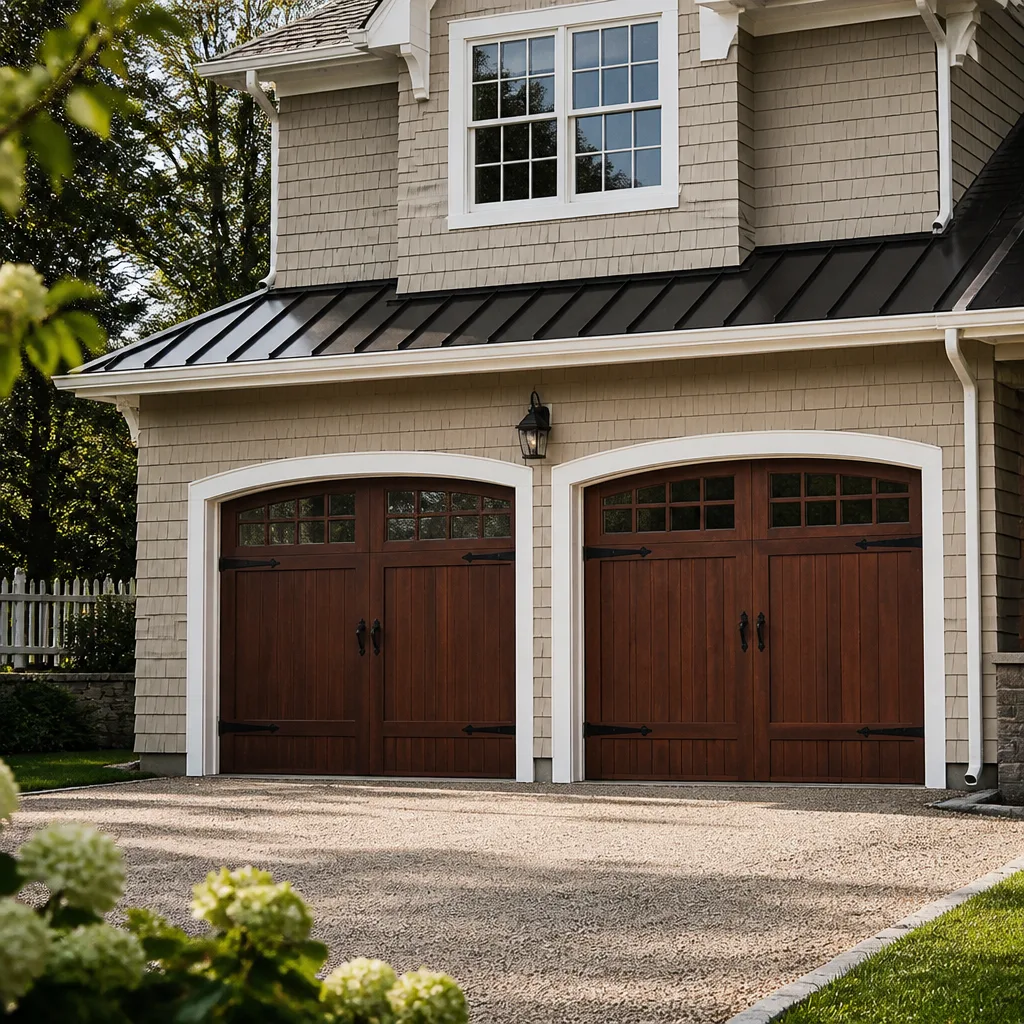 Carriage house
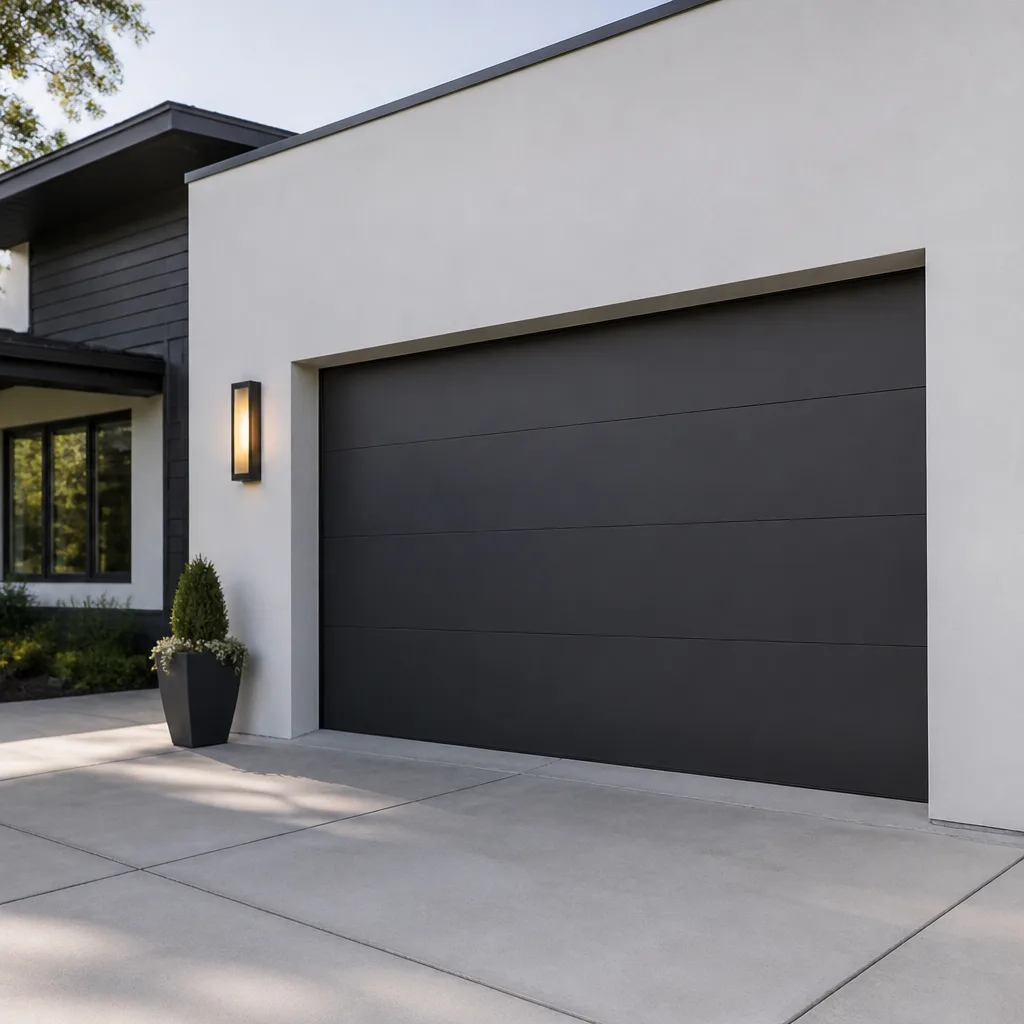 Modern flush
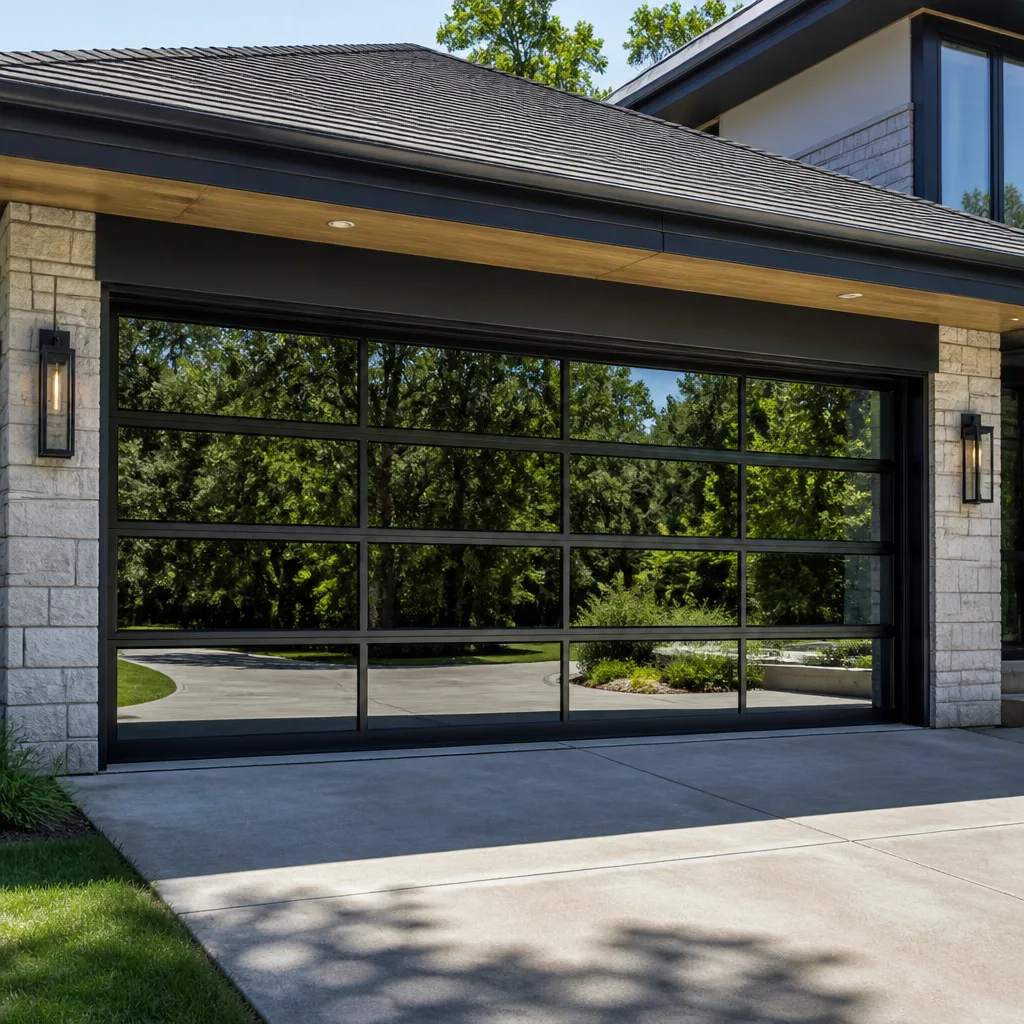 Full-view glass
 LiftMaster openers
 Chamberlain openers
Full 25-point door and opener safety check with every visit - springs, cables, rollers, tracks, and your LiftMaster or Chamberlain opener included
You get a price before we start. It does not change when the pro arrives.
Get your free estimateGarage Door Warning Signs: A Greenwood Homeowner’s Reference Guide
Most garage door advice lumps every symptom into one bucket, which is why homeowners either panic over a squeak or ignore a cable that’s about to let go. The truth is that warning signs sit on a spectrum. Some mean “book a repair this week.” Others mean “stop using this door right now.” A door that reverses before it reaches the floor is usually a sensor alignment issue you can sort out in minutes. A door that reverses halfway through closing may be fighting a cable or spring problem that makes it dangerous to run at all. Same symptom category, completely different causes. This Greenwood guide sorts the noise, the visuals, the movement, and the opener behavior by actual risk level, so you know what you’re looking at and how fast to act.
Quick Answer
The warning signs that mean stop using your door immediately are a snapped or visibly frayed cable, a broken spring (often a loud bang followed by a door that won’t lift), and a door hanging visibly crooked in its tracks. Everything else – grinding, squealing, a door that reverses before closing, an opener that hesitates – is usually a schedule-it-this-week problem rather than an emergency. The difference matters because running a door with a failed spring or cable can drop it, and that’s the moment a repair becomes a safety incident.
Styles & brands we work with
- Raised-panel steel
- Carriage house
- Modern flush
- Full-view glass
- LiftMaster openers
- Chamberlain openers
Table of Contents
- What the Noise Is Telling You
- Visual Signs of Spring and Cable Failure
- Speed and Balance: Testing Without Touching the Mechanism
- The “Stop Now” Threshold vs. the “Fix This Week” Threshold
- What Your Opener’s Behavior Is Telling You
- Greenwood Weather, Seasonal Cycles, and Your Door
- The Monthly Five-Minute Inspection
- Common Mistakes to Avoid
What the Noise Is Telling You
Garage doors are not supposed to be loud. A healthy door makes a low, even hum from the opener and a soft roll as the panels travel. Anything sharper than that is a component asking for attention, and the type of sound points at which one. Learning to tell grinding from popping from scraping from squealing saves you from guessing, and it also tells a technician what to expect before they arrive.
- Grinding usually points to the opener’s drive – a worn gear, a dry chain, or a belt that’s been running against a misaligned sprocket. On a chain-drive LiftMaster or Craftsman unit, grinding often means the rail needs lubrication or the chain tension has drifted. It’s rarely dangerous, but it wears the opener faster the longer it runs.
- Popping is the one to take seriously. A sharp pop as the door moves can mean a torsion spring has broken a coil, or a cable has jumped its drum. Stop the door and keep it down until someone qualified looks at it.
- Scraping implicates the tracks or the panels themselves. A panel that’s been nudged out of square rubs the track on the way up. Left alone, that rub bends hinges and wears the rollers flat.
- Squealing is almost always friction – dry rollers, dry hinges, or a torsion bar that needs grease. It’s the least urgent of the four, and the easiest to fix, but it’s also the sound homeowners most often ignore until something else fails.
A door that sounds different depending on the weather is a separate pattern worth noting. In Greenwood, a door that grinds on a cold morning and runs quiet by afternoon is usually telling you about thermal contraction in the tracks rather than a failing part. The noise disappears, the underlying alignment problem doesn’t.
Visual Signs of Spring and Cable Failure
You can catch most spring and cable failures before they happen, and you can do it from the floor without touching anything. Springs and cables live above the door, under tension, and the telltale signs are all visible from a safe distance. This is the inspection to build into your routine, because a cable that’s fraying is running on borrowed time.
Spring signs
A torsion spring sits on a bar above the door; extension springs run alongside the tracks. On either type, look for these patterns:
- A visible gap in the coil. A torsion spring that has broken shows a clean gap, usually about a hand’s width. The door will feel very heavy or won’t lift at all.
- Rust bleed or dark staining on the coil, especially in the lower turns. Rust means moisture has been sitting on the wire, and a rusty spring is a weakened spring.
- A stretched, gap-toothed look on extension springs. Springs that have lost tension show visible spacing between coils when the door is down.
- A safety cable missing or loose on an extension spring. That cable is there to contain the spring if it lets go, and it should run through the center of the coil.
Cable signs
Cables run from the bottom corners of the door up to the drums at the top. Stand back and look at both sides:
- Fraying or a “birdcage” where strands have separated near the drum. This is the clearest sign a cable is close to snapping.
- Slack on one side. If one cable looks looser than the other when the door is down, the door is running unevenly and one side is carrying more load.
- A cable off its drum. If you can see the cable wound unevenly or sitting outside the drum groove, don’t run the door.
If you see any of these, don’t try to adjust the cable or spring yourself. These parts are under heavy tension and release it violently when they fail; trained technicians handle them with the right tools and the door locked out first. That’s why garage door spring repair is a job we treat as its own discipline rather than a quick add-on.
Speed and Balance: Testing Without Touching the Mechanism
You can learn a lot about a door’s health by watching how it moves, and you never have to touch a spring or a cable to do it. Speed and balance tell you whether the door is working against itself, which is the condition that wears out openers, bends panels, and eventually snaps something.
The balance test
- Close the door fully and disconnect the opener using the manual release cord (the red handle).
- Lift the door by hand to about waist height and let go.
- A balanced door stays put or drifts slightly. A door that drops hard or races up is out of balance, meaning the springs aren’t carrying the weight evenly.
- Reconnect the opener before you use the door again, and note what you saw.
An out-of-balance door is a schedule-a-repair sign, not an emergency. But it’s the single biggest cause of premature opener failure, because the opener ends up doing work the springs should be doing.
The speed and travel test
Watch the door from the side as it opens and closes. A door running too fast – noticeably quicker than it used to – often points to a spring that’s lost tension or a torsion setting that’s drifted. A door that runs unevenly, with one side reaching the top before the other, points to a cable or drum issue on the slow side. Either way, the door is out of adjustment, and the fix is a professional one.
If the door hesitates at a specific point in its travel – a stutter near the top or a lurch at the bottom – that’s often a track alignment or a roller problem rather than a spring issue. Worth noting the exact spot; it helps narrow down the cause before anyone arrives.
The “Stop Now” Threshold vs. the “Fix This Week” Threshold
This is the heart of the guide, and it’s the part most homeowners get wrong in one direction or the other. Sorting your symptoms into two lists – stop now and fix this week – keeps you from either overreacting to a squeak or running a door that shouldn’t move.
Stop using the door immediately if:
- A spring has visibly broken (a gap in the torsion coil, or a door that won’t lift by hand).
- A cable is frayed, snapped, or off its drum.
- The door is hanging crooked or a panel is visibly off its track.
- You heard a loud bang from the garage and the door now behaves differently.
- The door is dropping or slamming rather than lowering smoothly.
In each case, leave the door closed, keep the car outside if you can, and call. Running the opener against a failed spring or cable is how doors come down.
Schedule a repair this week if:
- The door is noisy but moves normally – grinding, squealing, scraping, popping in a rhythm rather than at a single point.
- The door reverses before it reaches the floor, or bounces back up after touching down.
- The opener hesitates, lags on the remote, or runs slower than it used to.
- The door is out of balance but still lifts and lowers.
- One section of the door looks slightly out of line with the others.
None of these means panic. All of them mean the door is aging a part at a time, and the earlier a technician sees it, the smaller the repair. From broken springs to full replacements, one call covers the repair side of the spectrum, which is why we handle garage door repair as a single point of contact.
What Your Opener’s Behavior Is Telling You
Openers get blamed for a lot they didn’t do. When your LiftMaster, Wayne Dalton, or Raynor opener starts behaving oddly, the behavior itself usually points at the cause – and a surprising share of the time, the opener is reacting to something the door is doing rather than failing on its own.
- Reverses before reaching the floor. The safety sensors are the usual suspect – misaligned, dirty, or blocked by something as small as a spider web or a leaf. This is often a five-minute fix and not a sign of a mechanical failure.
- Reverses halfway through closing. This is different. A door that reverses partway up is usually fighting resistance – a binding track, a worn roller, or a spring that’s not carrying its share. The opener is doing the right thing by reversing; the door is the problem.
- Hesitates at the start or stutters mid-travel. Often a worn drive gear or a logic board issue inside the opener. On a belt or chain drive, a stutter can also be a sign the chain is loose or the rail needs lubrication.
- Remote lag or short range. A weak remote battery is the first thing to rule out. If a fresh battery doesn’t fix it, the opener’s receiver or a nearby interference source is worth investigating.
- Runs but doesn’t move the door. The opener is working; the connection to the door isn’t. That’s usually a broken spring, a snapped cable, or the manual release being left engaged.
Sorting the symptom this way saves you from replacing an opener that only needed its sensors wiped clean. When a repair is actually needed, we handle garage door opener repair on the same brands many Greenwood homeowners already have on their ceilings.
Greenwood Weather, Seasonal Cycles, and Your Door
Garage doors in Greenwood work through a real seasonal swing. Cold winters, warm humid summers, and a lot of rain through spring and fall put the door’s moving parts through repeated expansion and contraction. That cycle is the reason a door that ran perfectly in October can start grinding in January, and it’s the reason the same door needs a look again by midsummer.
In winter, metal contracts and the tracks can tighten slightly. A door sized for summer clearance is suddenly rubbing, and the first sign is usually a scraping sound on cold mornings. Grease thickens in the cold, too, so a door that was quiet in fall can sound dry by the first hard freeze. If your garage is unheated – which many are in Greenwood – expect the winter to be the door’s noisiest season.
In summer, humidity is the story. Wooden door sections take on moisture, and panel doors show it first at the joints. Springs and cables in a damp garage pick up surface rust more easily, which is why the visual spring check matters more in humid months. If your garage has poor ventilation, look at the springs and cables once a month through the summer.
Spring and fall rain brings its own tell. Water tracking in under the door leaves the bottom seal damp, and a seal that stays wet starts to stiffen and crack. A stiff seal drags on the door and shows up as a scrape or a lurch near the floor.
None of this is a reason to worry about your door. It’s a reason to time your inspections around the seasons: one in late fall before the cold sets in, and one in early summer as the humidity climbs.
The Monthly Five-Minute Inspection
A quick monthly walk-around catches almost everything this guide describes, and it takes less time than a coffee. Do it from the floor, without touching springs or cables.
- Listen. Run the door once and note whether the sound is smooth, grinding, popping, scraping, or squealing. Any change from last month is worth a note.
- Look at the springs. Stand back and check the torsion coil for a gap or rust staining. Check extension springs for stretching and a present safety cable.
- Look at the cables. Follow both cables from the bottom corners to the top drums. Check for fraying, slack, or a cable sitting outside its drum groove.
- Check the tracks. Look for bends, dents, or debris, and confirm the door isn’t rubbing one side more than the other as it travels.
- Test the sensors. Watch the door reverse when you pass something through the beam. If it doesn’t, the sensors need alignment.
- Test the balance. Disconnect the opener, lift the door to waist height, and let go. It should stay or drift slightly, not drop or race.
Write down anything that changed. A note saying “grinds on the left track, started this week” is worth more to a technician than a vague memory.
How a Greenwood Garage Door Repair Usually Goes
Once you’ve decided the door needs a look, the process is straightforward. A technician inspects the door, springs, cables, tracks, and opener, then explains what’s actually wrong before anything is done. The price is quoted and agreed before work starts – the written estimate is the price, not a starting point for surprises. Most repairs are completed in a single visit, though some parts need to be ordered depending on the brand and the door type.
Because we work on eight major brands – LiftMaster, Chamberlain, Genie, Clopay, Amarr, Wayne Dalton, Craftsman, and Raynor – a technician is trained on the equipment you already own rather than guessing at a system they’ve never seen. That applies whether you’re in a newer subdivision off Worthsville Road, an established neighborhood near downtown Greenwood, or out toward the county line. Our technicians have up to 13 years of experience, and spring work is treated as its own specialty because of how much it demands.
If the door is completely stuck and you can’t get the car out, that’s the situation emergency service exists for. We answer 24/7, and fast dispatch from 7am to 7pm covers the urgent calls once the phone line has picked up.
See the difference
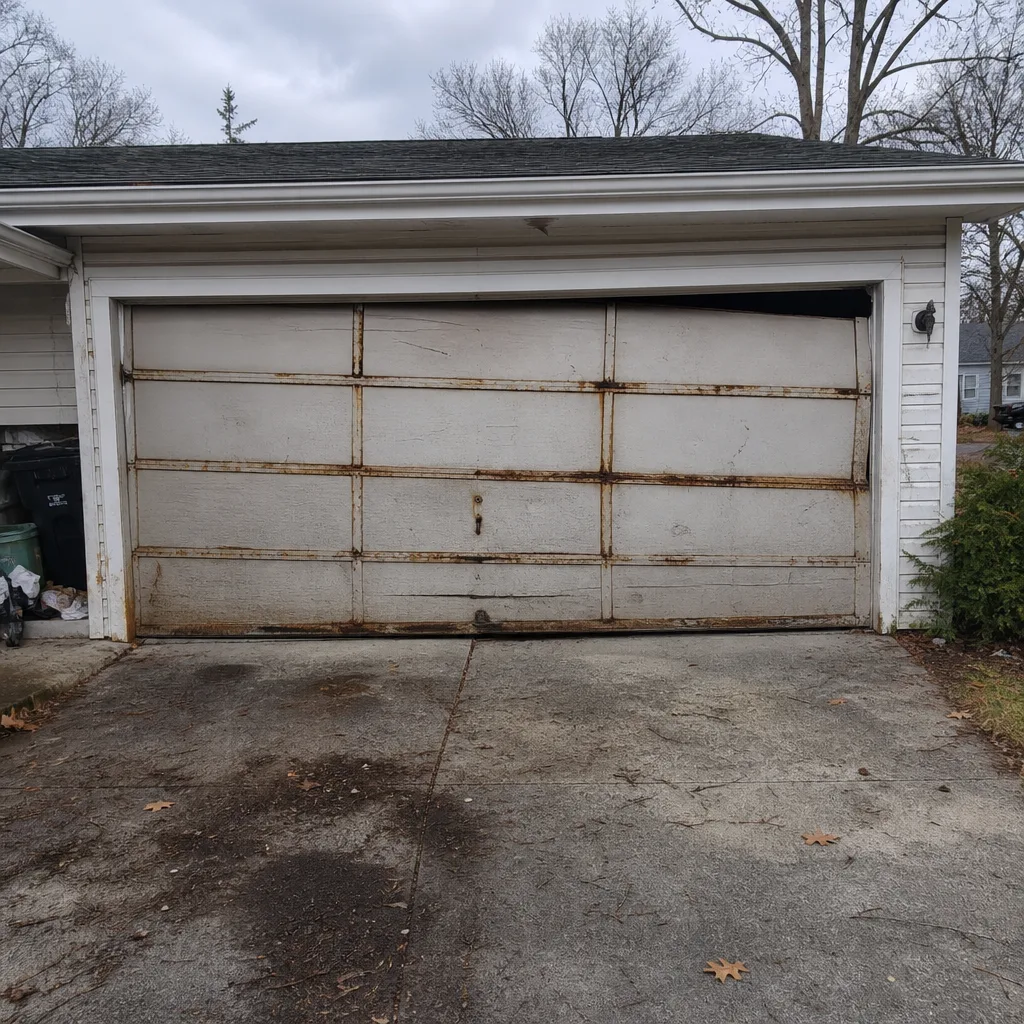 Before
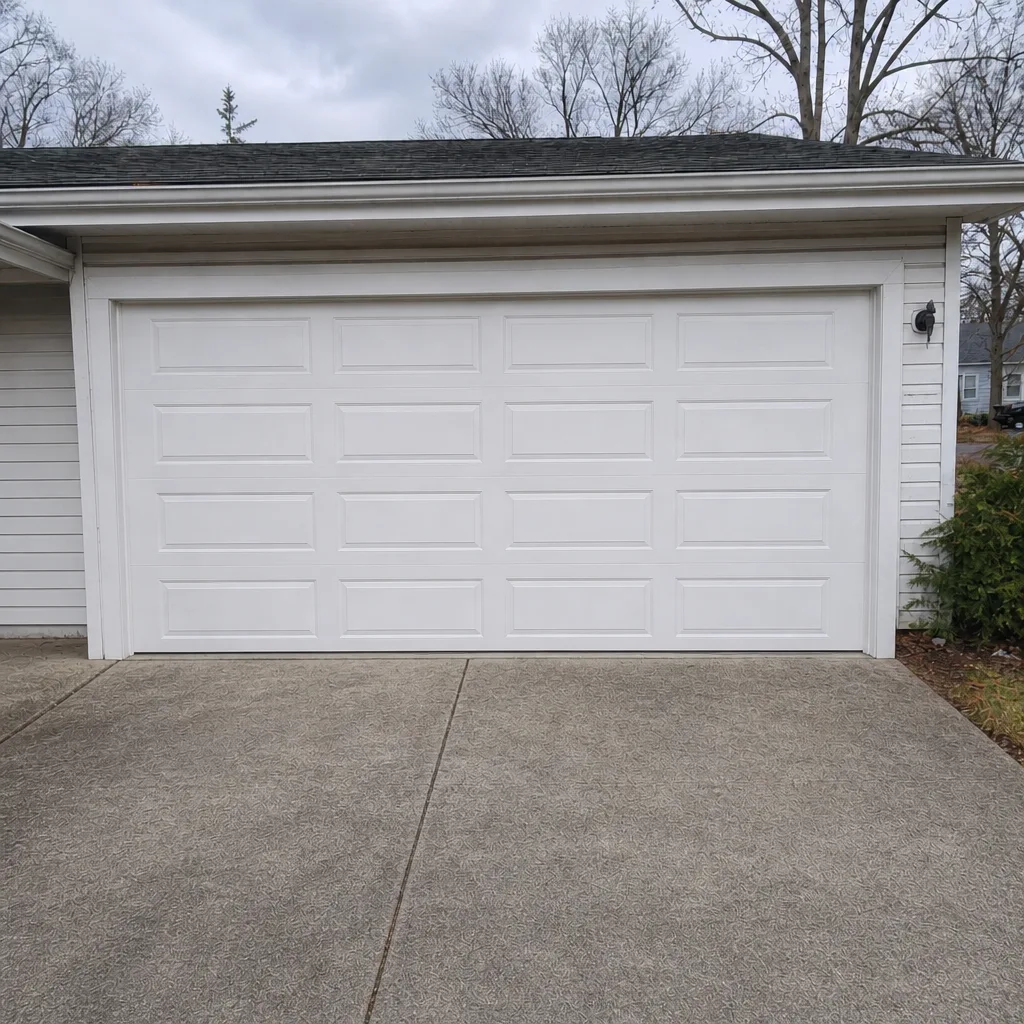 After
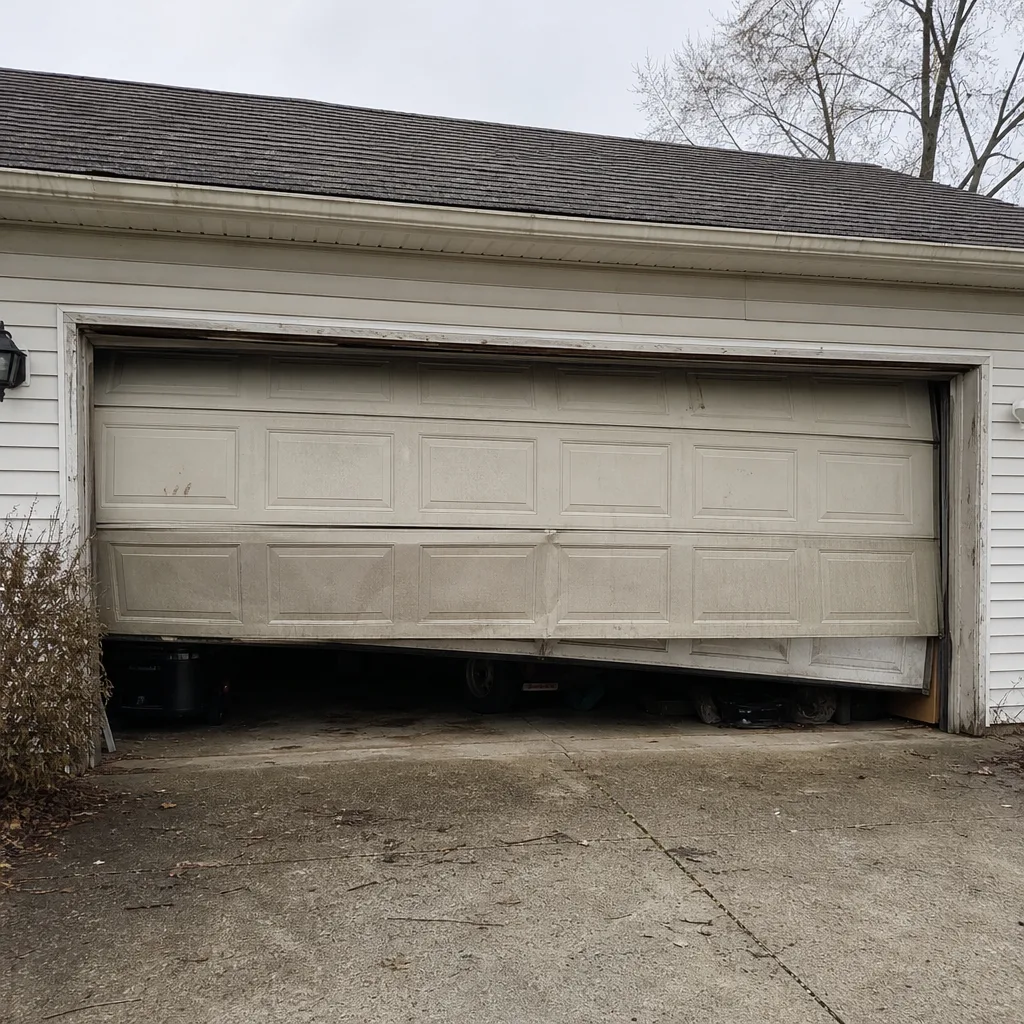 Before
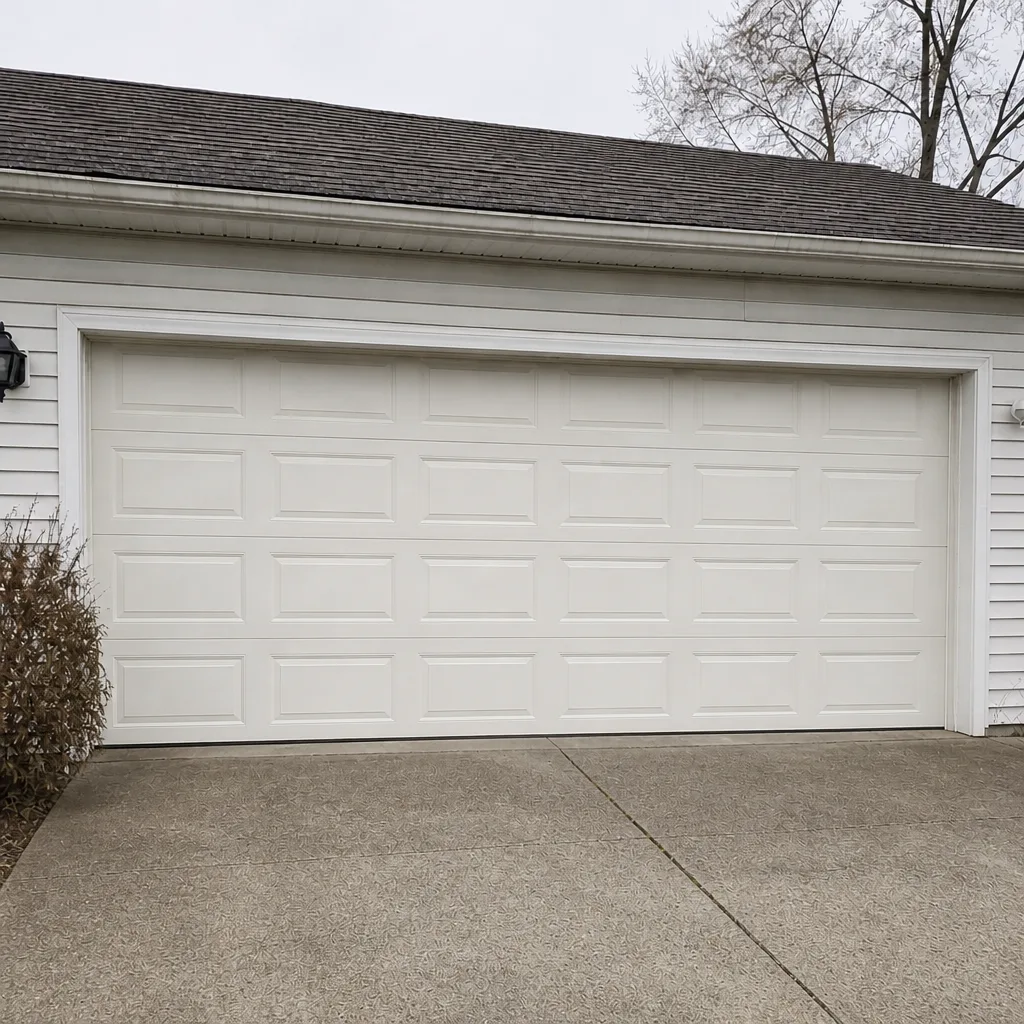 After
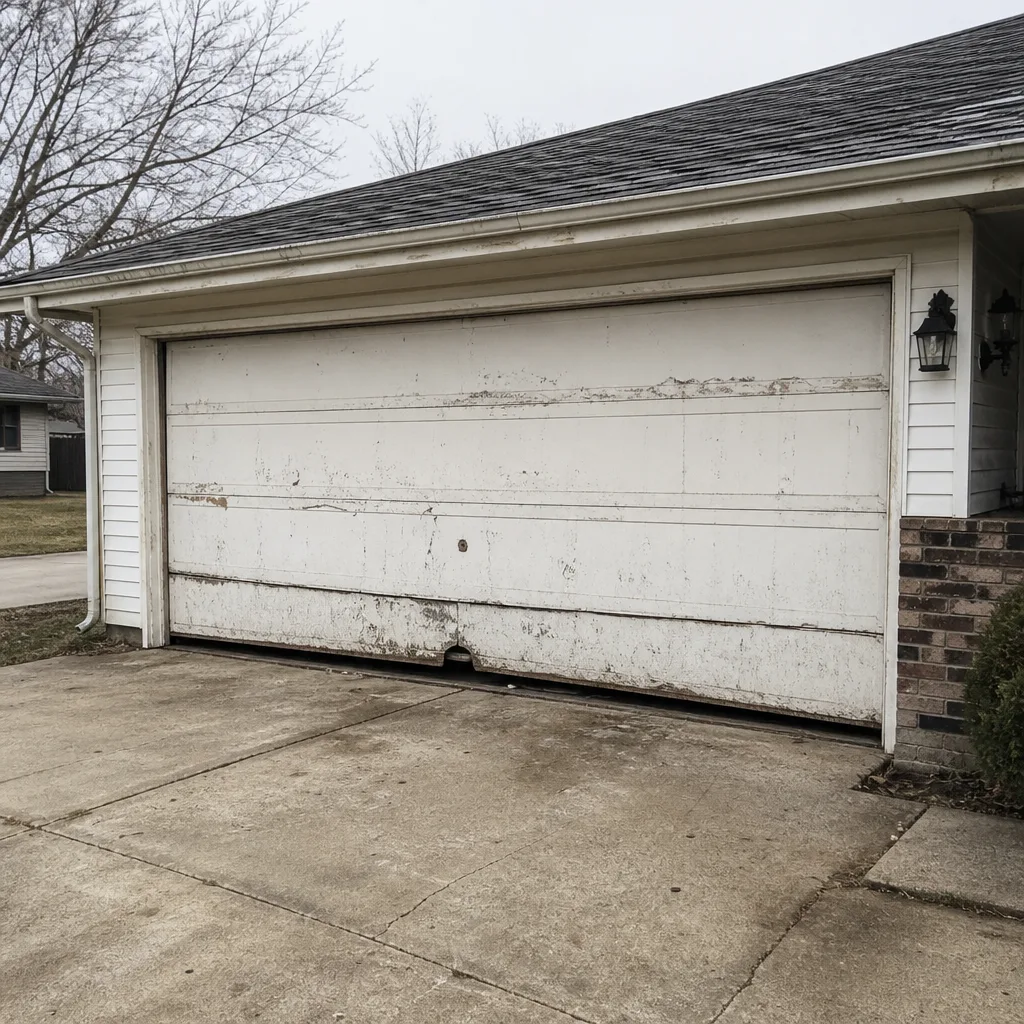 Before
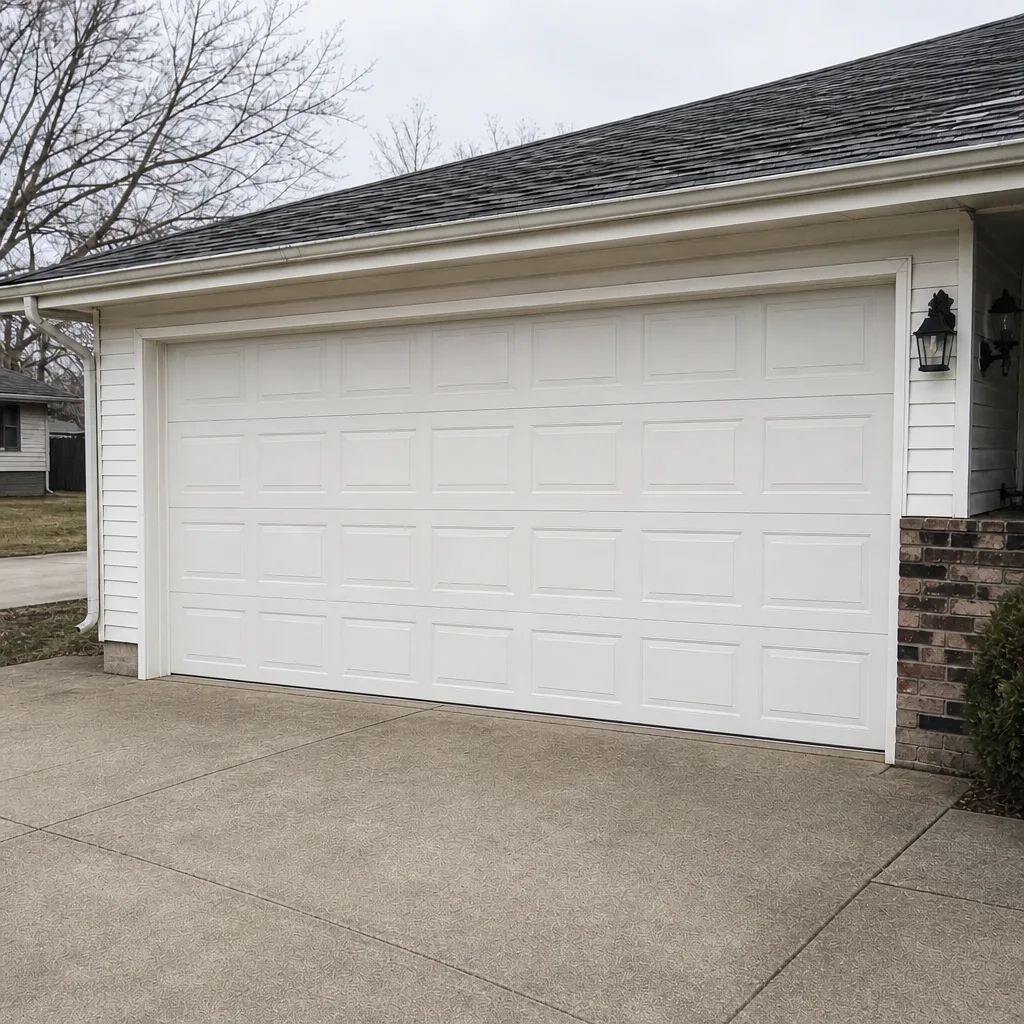 After
Common Mistakes to Avoid
- Running the door to “see if it’s really broken.” If a spring has snapped or a cable is frayed, running the opener stresses a part that’s already under load. Leave it down and call.
- Assuming a reversing door is always a sensor problem. A reverse before the floor often is a sensor issue; a reverse halfway up usually isn’t. Diagnose before you replace parts.
- Skipping the visual inspection because the door still works. A fraying cable or a rust-stained spring is visible weeks before it fails. The five-minute check catches it while it’s still a small repair.
- Greasing everything to stop the noise. Lubricant on the wrong part – like the tracks themselves – attracts grit and makes things worse. Keep lubricants to the rollers, hinges, and spring, and leave the rest alone.
- Adjusting a spring or cable yourself. These parts are under heavy tension and can cause serious injury if they release. This is the one part of garage door work that’s never a DIY job.
- Ignoring a door that’s slowing down. A door that runs slower than it used to is usually fighting resistance, and the opener pays the price. The fix now is cheaper than the fix after the opener fails too.
- Calling a general handyman for a spring or cable. Garage doors are their own trade, and most general handymen don’t carry the tools or the training. A garage door specialty company will get it right the first time.
When to Call a Professional
Call a professional the moment you see a broken spring, a frayed or snapped cable, a door hanging crooked, or a loud bang you can’t explain. Those are stop-now signs. Call the same week if the door is noisy, out of balance, reversing partway through closing, or running slower than it used to – those are the signs that get worse with every cycle. And call if the opener is hesitating, lagging on the remote, or running but not moving the door, because the cause could be in the opener or in the door and only an inspection will tell you which.
Greenwood Garage Door Repair Pros offers free estimates in Greenwood – call (866) 876-9721. We answer 24/7. Fast dispatch from 7am to 7pm, Sunday through Friday, and the price is quoted and agreed before any work starts.
Frequently Asked Questions
The most serious signs are a broken spring, a frayed or snapped cable, a door hanging visibly crooked in its tracks, and a loud bang followed by a door that won’t lift. Any of these means stop using the door. The parts involved are under heavy tension, and running the door risks it coming down. Call (866) 876-9721 and keep the door closed until someone looks at it.
A reverse before the floor is usually a safety sensor issue – misalignment, dirt, or an obstruction in the beam. A reverse halfway up is a different problem, often resistance in the door itself, like a binding track or a spring that’s not carrying its share. Clear the sensors first, and if it still reverses partway up, get the door inspected. Call (866) 876-9721 for a free estimate.
Spring repair is priced per spring, and a matched pair is usually replaced together because the two springs wear at the same rate. The estimate is free, and the written estimate sets the final price before any work begins. We can’t quote a firm number without seeing the door, spring type, and brand, but the call itself won’t cost you anything. Call (866) 876-9721.
Yes, a stuck garage door is exactly the kind of call emergency service exists for. We answer 24/7, and fast dispatch from 7am to 7pm covers urgent calls on the same day where possible, Sunday through Friday. Call (866) 876-9721 and tell us what the door is doing.
No. The price is quoted and agreed before any work starts, and the written estimate is the price. If the inspection turns up something extra – say, a worn roller that wasn’t visible from the floor – the technician will explain it and get your agreement before anything is done. Call (866) 876-9721 for a free estimate.
The local pro who comes to your door is licensed and insured as their state requires. The technicians are trained on the major brands homeowners actually own, including LiftMaster, Chamberlain, Genie, Clopay, Amarr, Wayne Dalton, Craftsman, and Raynor, and have up to 13 years of experience. Call (866) 876-9721 to book an estimate.
If the door won’t lift, hangs crooked, has a snapped cable, or you heard a loud bang, treat it as immediate. Clicks, squeals, and a slower-running door are the schedule-this-week signs. When in doubt, keep the door down and call (866) 876-9721 – the estimate is free, and it’s better to know.
The Bottom Line
Garage door warning signs sit on a spectrum, and your job is to know where each one falls. Stop using the door for a broken spring, a frayed cable, a crooked hang, or an unexplained bang. Schedule a repair this week for noise, imbalance, reversing before the floor, or an opener that’s hesitating. Everything else is a monthly five-minute check that keeps small problems small. The Greenwood seasons make that check worth keeping, and the visual spring and cable inspection catches most failures before they happen. When the door needs a professional, one call covers repair, spring work, opener work, and new installation. We answer 24/7. Fast dispatch from 7am to 7pm, Sunday through Friday. The estimate is free, and the written price is agreed before any work starts. Call (866) 876-9721. For the full picture of what Greenwood Garage Door Repair Pros covers, start there.
Written by the team at Greenwood Garage Door Repair Pros.