
Last updated November 21, 2026
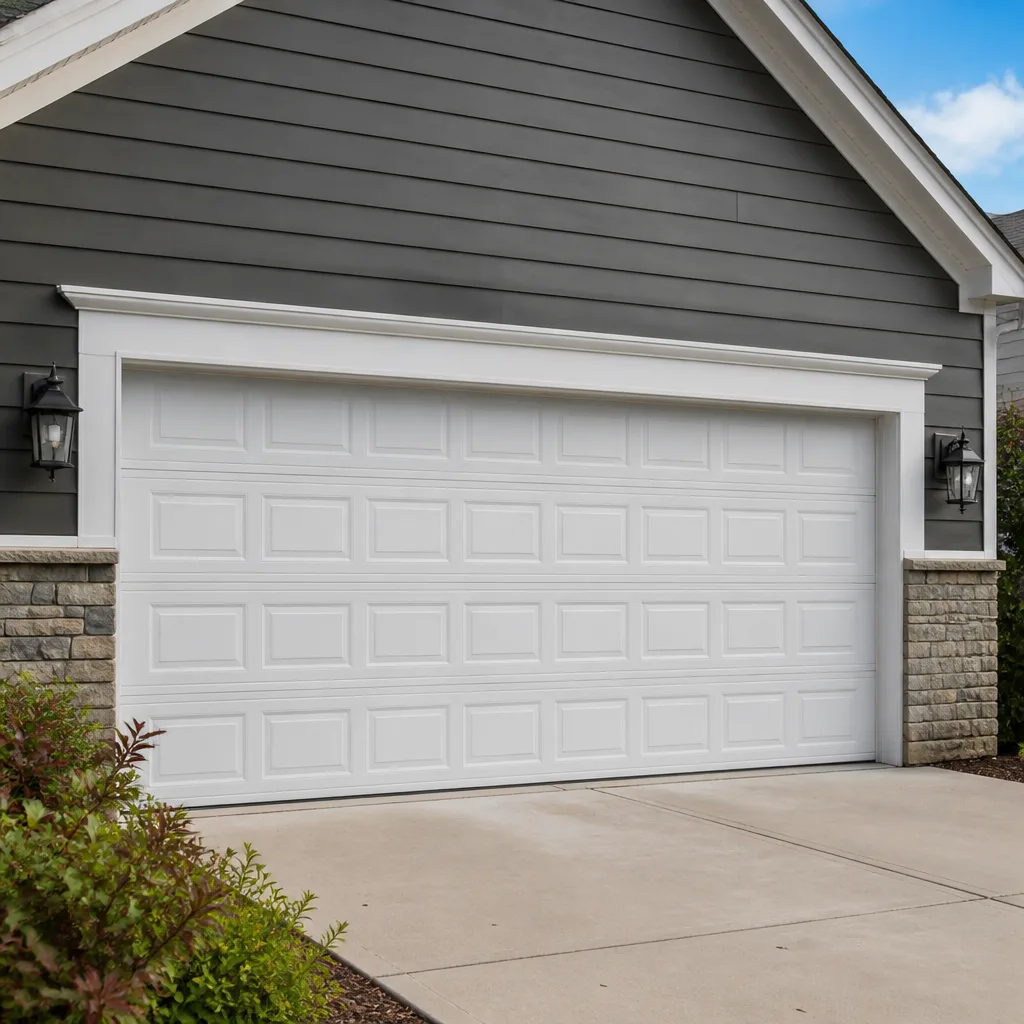 Raised-panel steel
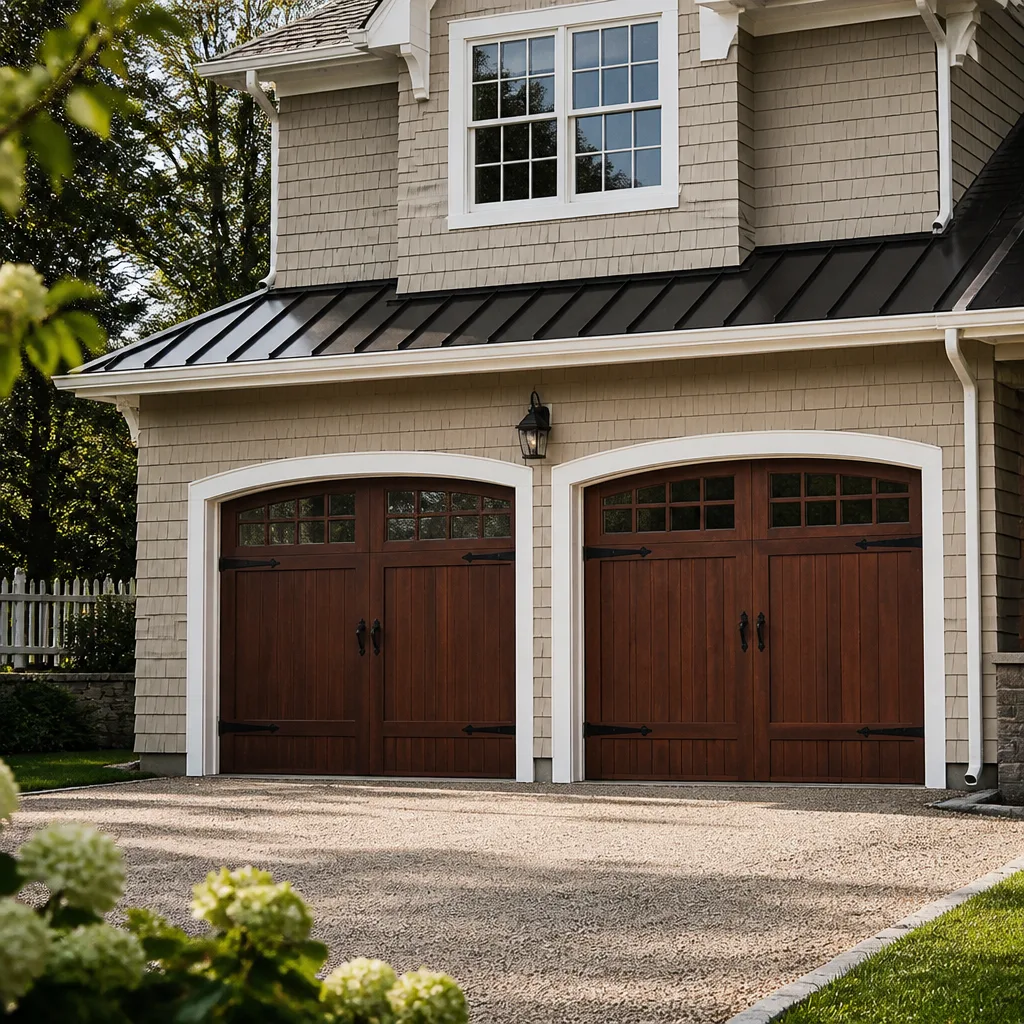 Carriage house
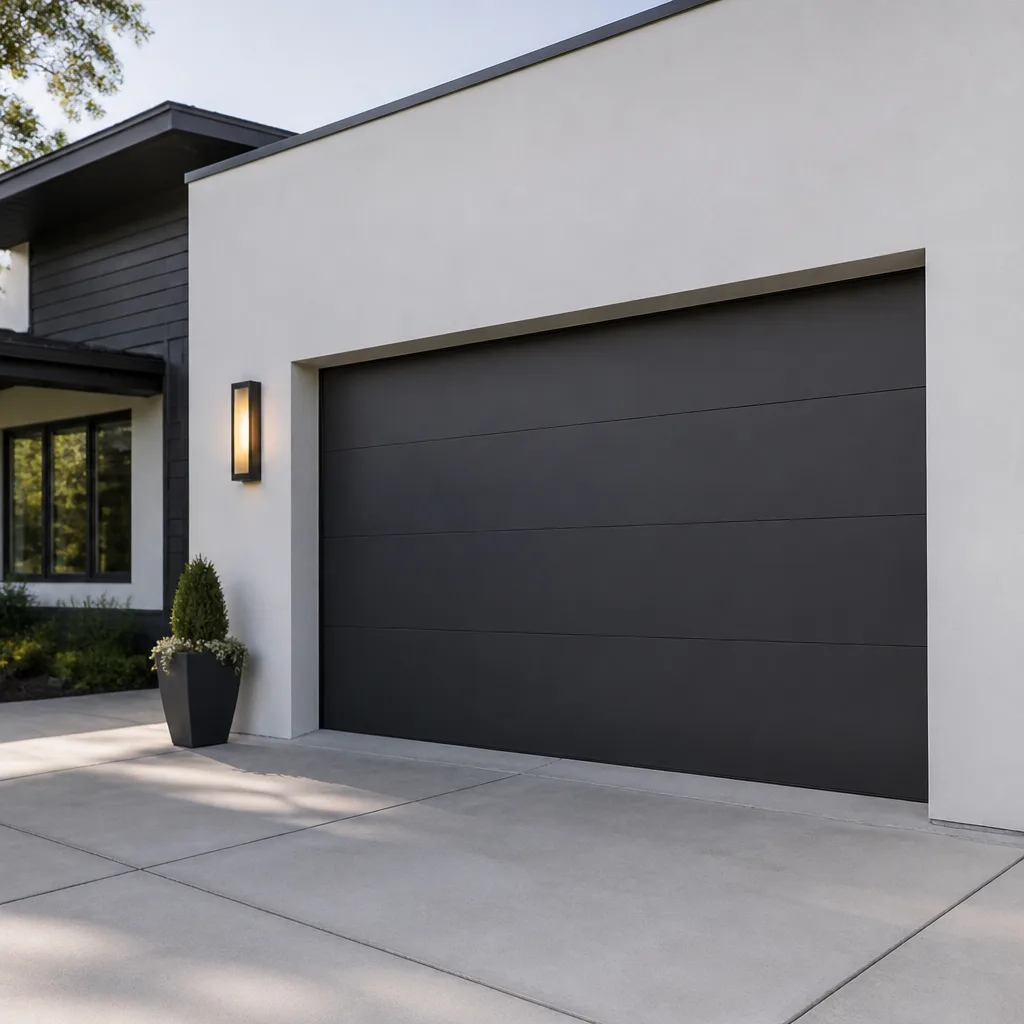 Modern flush
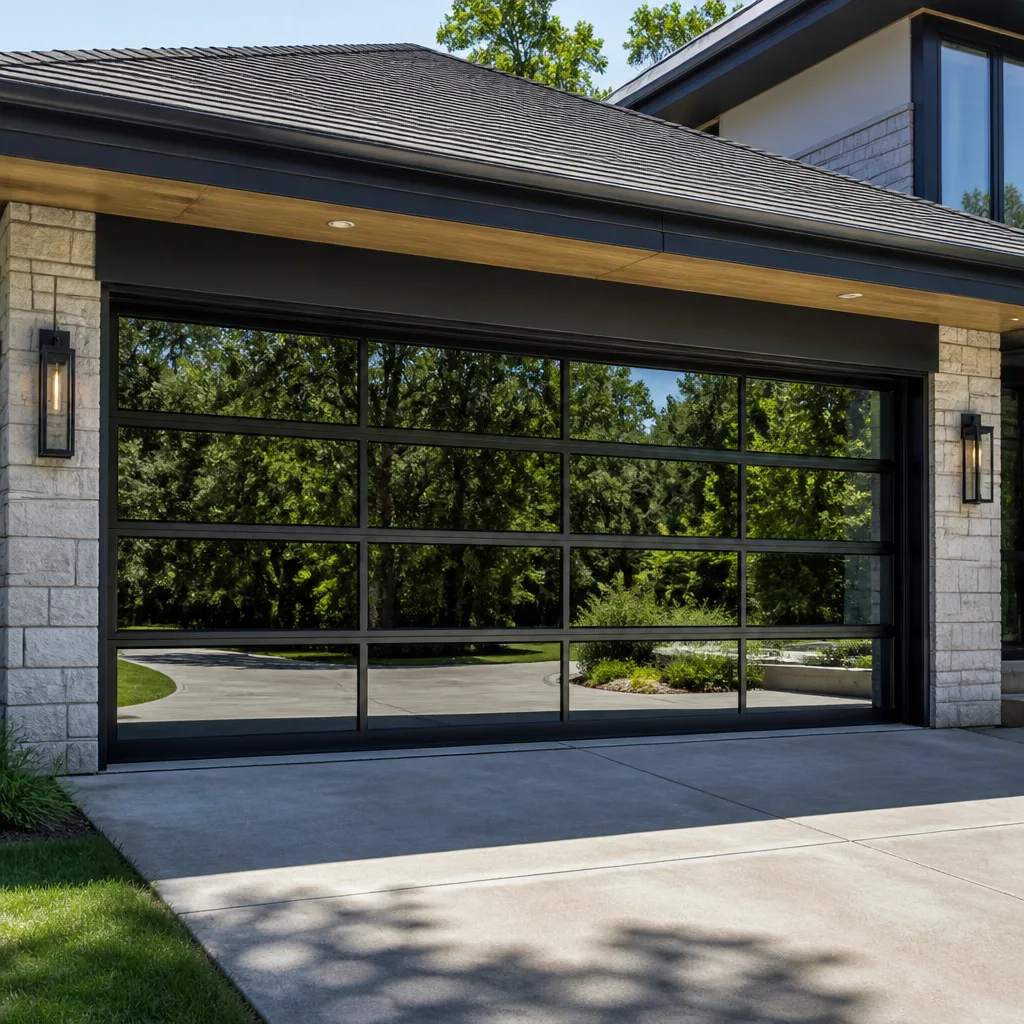 Full-view glass
 LiftMaster openers
 Chamberlain openers
Full 25-point door and opener safety check with every visit - springs, cables, rollers, tracks, and your LiftMaster or Chamberlain opener included
You get a price before we start. It does not change when the pro arrives.
Get your free estimateGarage Door Emergency Preparedness Guide for Greenwood Homes
When a torsion spring snaps at 7 a.m. on a weekday and your car is inside, you have about 90 seconds of clear thinking before frustration starts making decisions for you. That’s the wrong moment to be searching for a contractor, guessing at your opener brand, or trying to remember whether the manual release is the red cord or the black one. The homeowners who come through a garage door emergency well aren’t luckier than everyone else – they made three small decisions the week before anything went wrong. This guide walks through those three things for Greenwood homes: knowing how to release a stuck door safely, knowing what to do in the first hour when the door won’t stay closed, and having the right information documented where you’ll actually find it. Read it once now and you’ll handle the next breakdown with a lot less guesswork.
Quick Answer
A garage door emergency in Greenwood falls into one of two categories: mechanical failure (a snapped spring, a dead opener, a door that jumps its track) or storm and impact damage (a panel bent by wind or a vehicle, or a door forced during a break-in attempt). Mechanical failures need a same-day repair visit; storm and impact damage needs a safety assessment before anyone touches the door. Either way, the right first move is to release the door from the opener, secure the opening, and call a specialist who works on your brand – not to force the door or start turning bolts. We answer 24/7, so a call at any hour gets you booked into the next dispatch window, Sunday through Friday, 7am to 7pm.
Styles & brands we work with
- Raised-panel steel
- Carriage house
- Modern flush
- Full-view glass
- LiftMaster openers
- Chamberlain openers
Table of Contents
- How to Manually Release a Garage Door From Inside and Outside
- When a Door Won’t Stay Closed: Temporary Security After a Break-In or Impact
- Storm Damage Triage: Is the Door Safe to Operate?
- What to Document Before an Emergency (and Where to Keep It)
- How Same-Day Emergency Pricing Works in Johnson County
- The Brand Question: Why It Matters Which Opener You Own
- The 60-Minute Prep Plan for Greenwood Homeowners
How to Manually Release a Garage Door From Inside and Outside
The manual release is the single most useful piece of your garage you’ve probably never touched. Every automatic opener has one, and knowing where it is and how it behaves on your specific unit turns a trapped-car morning into a five-minute inconvenience. The release disconnects the door from the opener’s drive so you can lift it by hand. On a door with a broken spring, though, the door may be far heavier than you expect, and lifting it by hand can be dangerous. Use the release to get the door open enough to free a vehicle, then stop and call for repair rather than working the door repeatedly.
Here’s the general sequence. It applies to most openers, with brand-specific variations noted below.
- Close the door first if it’s open and the opener is working. Disconnecting a raised door can let it drop.
- Find the release cord or handle. It hangs from the opener’s trolley, usually a red or black cord with a T-handle, near the center of the door’s path.
- Pull firmly toward the door (not straight down) until the trolley disengages. You’ll hear or feel a click.
- Lift the door by hand to about waist height, then let it settle. A healthy door with intact springs should hold roughly where you leave it. A door that slams down has a spring problem.
- Re-engage the opener by running it until the trolley reconnects, or by pulling the release in the opposite direction on some models.
Variations by opener brand
Greenwood homes have a mix of openers, and the release mechanism differs enough to trip people up. On Genie openers, the release is often a red T-handle on a short chain, and re-engagement usually happens automatically the next time the opener runs. On Chamberlain and LiftMaster units, the red emergency cord hangs from a trolley that reconnects when the door travels toward the opener. Older Craftsman openers sometimes use a manual slide bolt rather than a cord. If you can’t tell which you have, look at the opener housing – the brand is molded into the case, and the release type will be obvious once you know what you’re looking for.
Releasing from outside
If you’re locked out and the door won’t open, you can’t reach the release cord from outside. The options are a keyed emergency release (a cylinder mounted on the door that releases the lock from outside, common on newer installs) or a service call. Never force the door from outside; you’ll bend panels or damage the tracks, turning a repair into a replacement. If you’re locked out, call a specialist and explain the situation – this is exactly the kind of urgent case we handle.
If you’re not sure whether your door is safe to operate by hand after a failure, it’s worth a quick read on garage door spring repair before you pull anything. Springs and cables are under extreme tension and are the one part of the system you should never try to adjust yourself.
When a Door Won’t Stay Closed: Temporary Security After a Break-In or Impact
A door that won’t close leaves your home open, and that’s a different kind of emergency than a door that won’t open. It happens after a break-in attempt that bent the latch or track, after a vehicle clips a panel, or when the opener’s travel limits drift and the door reverses on contact. Your first job is to secure the opening; your second is to get a repair scheduled. Don’t leave the house with the door standing open while you wait for a technician.
Here’s how to think about it, in order of what to do first:
- Check whether it’s a safety-reverse issue. If the door closes partway and reverses, something is triggering the safety system – a misaligned photo-eye, a blocked path, or a limit setting that has drifted. Sometimes realigning the photo-eyes (the two small lenses near the floor on each side of the door) solves it in minutes.
- Look for a bent track or panel. Impact damage often bends the vertical track near the affected panel, which stops the door from traveling closed. Don’t force it past the bend – that’s how a repairable panel becomes a full replacement.
- Secure the opening temporarily. A heavy-duty brace or a cut length of lumber across the inside of the door, held against the frame, can keep a door from swinging or lifting. This is a stopgap, not a fix.
- Lock the man door and check the rest of the home. A compromised garage door is a security gap, so treat it like one until it’s repaired.
- Call for a same-day assessment. A door that won’t close is a priority repair; a specialist needs to see the track, the panels, and the opener before deciding what’s involved.
For doors that were forced during a break-in attempt, the fix is usually a combination of track straightening, latch or lock repair, and sometimes a panel replacement. If the door is a Clopay or Amarr model, replacement panels are readily available, which is one reason brand matters when you call. We work on those systems and can usually source the right panel rather than replacing the whole door. If you need garage door repair on a door that won’t close, a same-day visit is the right first step.
Storm Damage Triage: Is the Door Safe to Operate?
After a severe weather event in Greenwood, the question isn’t just “is the door broken?” – it’s “is this door safe to run?” A garage door that has taken a hit can look fine and still be holding a track that’s out of alignment, a spring that’s lost tension, or a panel that’s separated from its hinge. Running it can cause more damage or, worse, drop a section onto a person or vehicle. Storm damage needs a safety assessment before you press the button.
Walk through this triage before you operate the door:
- Look at the panels from the outside. Are any bent, creased, or separated from the frame? A visibly deformed panel means stop – don’t run the opener.
- Check the tracks. Run your eyes down both vertical and horizontal tracks. Are they straight and parallel? A track knocked out of alignment will bind the door.
- Inspect the springs and cables. A spring with a visible gap is broken. A cable off its drum or hanging loose is a hazard. Don’t touch either – call a technician.
- Test the balance by hand (only if nothing above looks wrong). Disconnect the opener and lift the door to waist height. It should move smoothly and stay put. If it’s heavy, jerky, or slides back down, stop.
- Listen when you run it. Grinding, popping, or a door that reverses partway through travel means something is binding or a safety sensor is triggered.
If the door passes all five checks, it’s probably safe to use until a technician can look at it. If it fails any one, leave it down and call for an assessment. Storm damage that bends a panel often leaves a door operating but not sealed, which lets wind-driven rain into the garage – worth fixing even when the door technically works.
What to do and not do after storm damage
- Do photograph any visible damage before you touch anything, for your own records.
- Do keep the door closed if it will close, to protect the inside of the garage.
- Don’t try to straighten a bent track or panel yourself – you’ll usually make it worse.
- Don’t run the door repeatedly to “see if it fixes itself.” That’s how a minor misalignment becomes a replacement.
Storm-damaged doors are one of the two situations we treat as genuinely urgent, alongside trapped-car breakdowns. If your door took a hit, call and describe what you see – that first description helps us know what to expect before anyone arrives. For issues with the opener side of the system, garage door opener repair covers the sensors, limits, and drive components that storm damage often affects.
What to Document Before an Emergency (and Where to Keep It)
The single highest-value thing you can do for future-you is write down four facts about your garage door and keep them where you’ll find them in a hurry. Most homeowners can’t answer basic questions about their own door when a technician asks, and that gap costs time in an emergency. The information is easy to collect now and impossible to reconstruct under pressure.
Document these five things:
- Opener brand and model number. Find it on the label on the back or underside of the opener housing. “Genie” is helpful; “Genie model 2128” is far more helpful.
- Door manufacturer and panel style. The door brand (Clopay, Amarr, Wayne Dalton, and others are common) is often on a sticker inside the door’s top or side panel.
- Door size and spring type. Measure the door’s width and height. Note whether the springs are torsion (mounted on a bar above the door) or extension (running along the sides). This tells a technician what’s involved before they arrive.
- The contact number of a garage door specialist. Keep it where it’s easy to grab – not buried in an email.
- A photo of the whole door and the opener label. A phone photo covers more than you’d think, including the exact release mechanism and track layout.
Where to keep this information
Keep the written copy in a labeled envelope taped to the inside of the garage wall near the man door, where you can grab it in the dark. A photo on your phone is a good backup, and a second copy in a household file helps if you’re not home when something fails. Don’t put it on the door itself – a door that’s been damaged in an impact may take your notes with it. This is the one prep step that pays off every single time, and it takes about ten minutes.
How Same-Day Emergency Pricing Works in Johnson County
Emergency garage door work in Greenwood is priced per job, from a written estimate, before any work starts. That’s the answer to the question every homeowner asks first: whether emergency pricing is a different, higher number. It isn’t. The written estimate is the price, and it’s what you agree to before anyone touches the door. What makes an emergency feel expensive is usually uncertainty – not knowing what the repair involves, or not asking the right question before authorizing work.
Typical cost ranges for common repairs, as general estimates:
| Repair | Typical estimate | Notes |
|---|---|---|
| Single torsion spring replacement | $180 – $340 | Matched pairs are usually replaced together, so a pair costs roughly twice the single-spring range |
| Opener repair (sensor, limit, drive) | Varies by fault | Written estimate before work |
| Panel replacement | Varies by panel and brand | Depends on availability for your door model |
| Door that won’t close (track/latch) | Varies by damage | Assessed in person before a number is given |
Estimates are just that – estimates. The written estimate you receive is what sets the final price. The one question to ask any contractor before authorizing emergency work is simple: “What’s the total, and is that number fixed?” A contractor who can answer that clearly, in writing, before starting, is one you can work with. A contractor who gives you a range and “we’ll see” is one to slow down with.
What affects the price of an emergency repair
- Which parts failed. A single spring is a different job than a spring, a bent track, and a snapped cable.
- Brand and part availability. Common door brands are usually easier to source for.
- Access to the garage. A car parked under a broken door slows the work; keeping a clear bay helps.
- Whether it’s a repair or a replacement. A door that’s taken major impact damage may cost more to repair than to replace.
For a free estimate on a specific problem, call (866) 876-9721. We answer 24/7, and a written estimate comes before any work. For the full picture on what springs cost, the spring repair page breaks it down in detail.
The Brand Question: Why It Matters Which Opener You Own
Most garage door emergencies aren’t solved by a general handyman with a wrench. They’re solved by someone who recognizes the exact system in your garage – the opener’s logic board, its safety sensor type, its limit adjustments, and the door manufacturer’s panel construction. That’s the difference between a repair that holds and a repair that comes back. Greenwood homes have a wide range of systems, and knowing which one you have shortens every emergency.
The brands we work on cover the range you’ll find in most Greenwood garages: LiftMaster, Chamberlain, Genie, Clopay, Amarr, Wayne Dalton, Craftsman, and Raynor. That matters because a Wayne Dalton door with a Genie opener isn’t an unusual combination – it’s normal, and a specialist should handle both sides of the system without calling in a second contractor. When you have one company for the door, the opener, the springs, and a new install, you don’t have to explain your setup to someone new each time.
Why brand knowledge speeds up an emergency
- Parts. Knowing your door’s manufacturer usually means knowing which panels, hinges, and rollers fit.
- Opener logic. Each brand’s safety-reverse and limit systems behave differently; a technician trained on them diagnoses faster.
- Release mechanism. The manual release varies by brand, and knowing it saves time when a car is trapped.
- Warranty and fit. Matching parts to your existing system keeps the repair consistent with the rest of the door.
If you’re not sure what you own, the documentation step above solves it. Write down the brand, and if you’re still unsure, a photo of the opener label and the door sticker is enough for a specialist to identify it. This is one of those cases where ten minutes of prep on a quiet afternoon pays off enormously on a stressful morning.
The 60-Minute Prep Plan for Greenwood Homeowners
The three things we promised at the top take less than an hour total, done once. Here’s the plan, in order of what to tackle first.
- Find and test the manual release (15 minutes). Locate the release cord on your opener, confirm which brand it is, and gently pull it to feel how it disengages. Re-engage it. Now you know what to do when it counts.
- Document the door and opener (15 minutes). Write down the opener brand and model, the door brand and size, and the spring type. Take a photo of the whole door and the opener label. Tuck the written copy inside the garage near the man door.
- Walk and test the safety features (10 minutes). Press the opener’s safety-reverse test (place a small object in the door’s path and confirm it reverses). Check that the photo-eyes are aligned.
- Note your specialist’s number (5 minutes). Save (866) 876-9721 in your phone under “Garage Door” so it’s first in the list.
- Clear the bay (15 minutes). Keep the space under and around the door clear so a technician can work without moving vehicles or stored items.
Do this on a calm afternoon and the next Greenwood garage door emergency becomes a manageable problem instead of a scramble. The prep is unglamorous, and that’s exactly why it works.
Common Mistakes to Avoid
- Forcing a stuck door. Pulling or pushing a door that’s off its track or holding a broken spring is the fastest way to bend panels and turn a small repair into a big one. Stop and call.
- Ignoring a door that won’t close. A door that won’t shut leaves your Greenwood home open, and “I’ll deal with it tomorrow” is how a security gap becomes a break-in. Secure the opening and call the same day.
- Trying to adjust springs or cables yourself. Torsion springs are under extreme tension, and this is the one part of the system that genuinely can injure you. Leave it to a trained technician.
- Not knowing your brand. Calling a contractor without the opener model or door brand means a slower diagnosis and sometimes a second visit. Five minutes of prep prevents it.
- Running a storm-damaged door to “test” it. If a panel or track is visibly bent, running the opener can cause more damage. Triage first, operate second.
- Accepting a verbal price on the phone. The written estimate is the price, so make sure you get one before any work starts. A verbal quote and a surprise invoice are how homeowners end up frustrated.
- Keeping a car under a door with a broken spring. If a spring has snapped, move the vehicle out (if you safely can) so the door isn’t resting weight over it, and to give a technician room to work.
See the difference
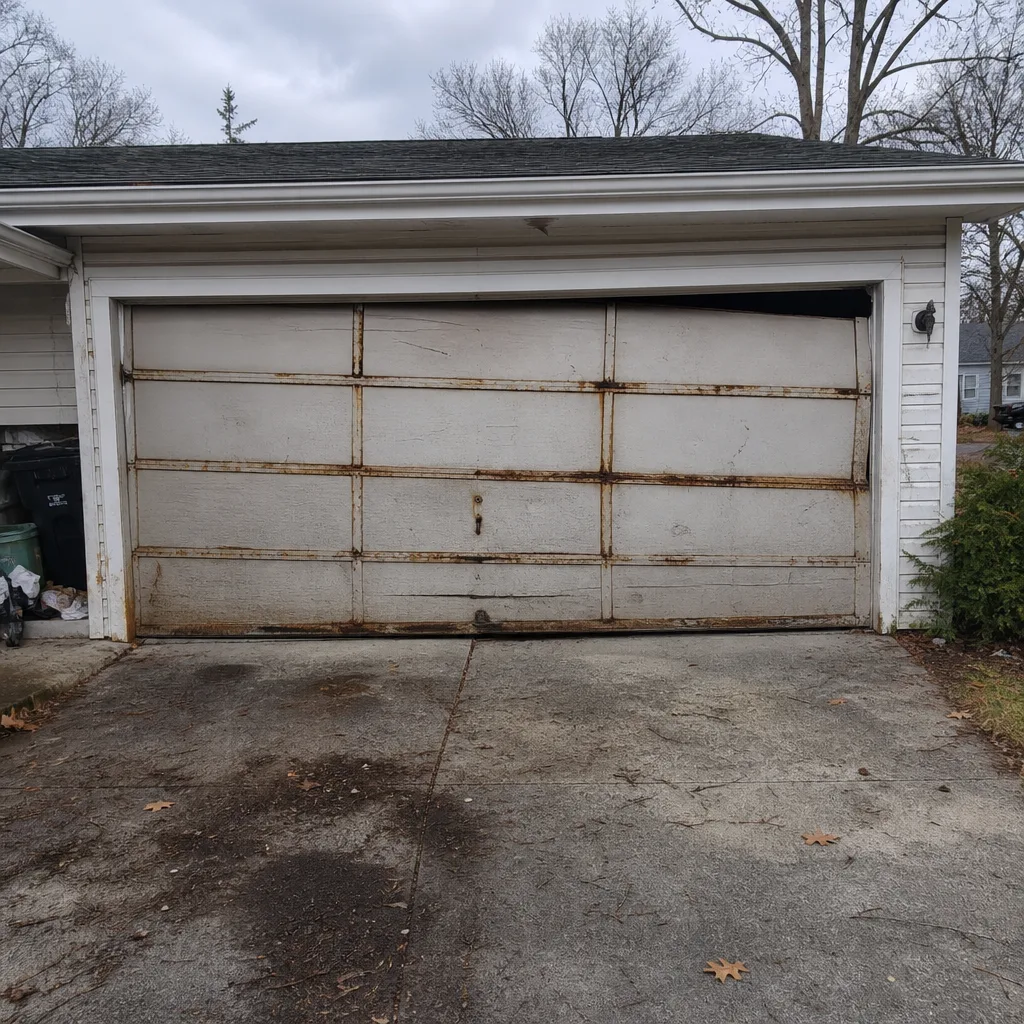 Before
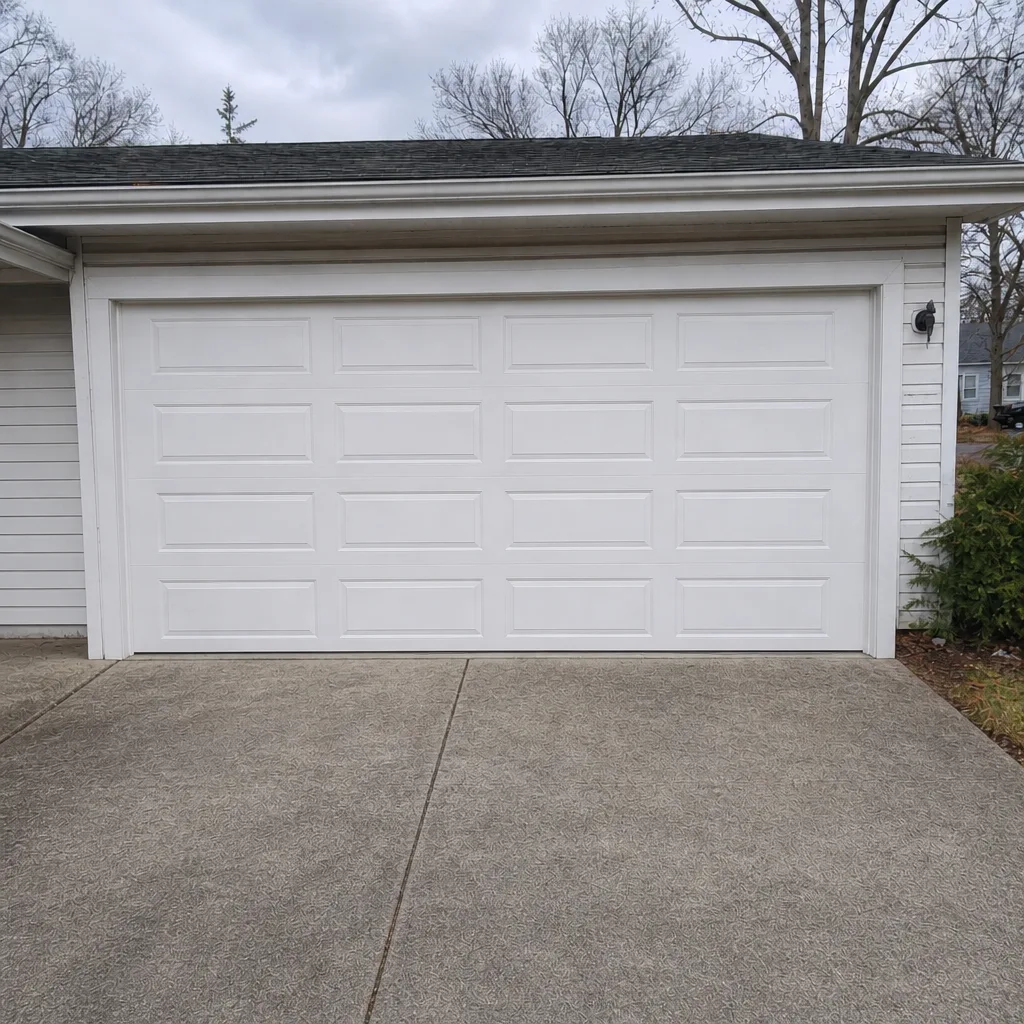 After
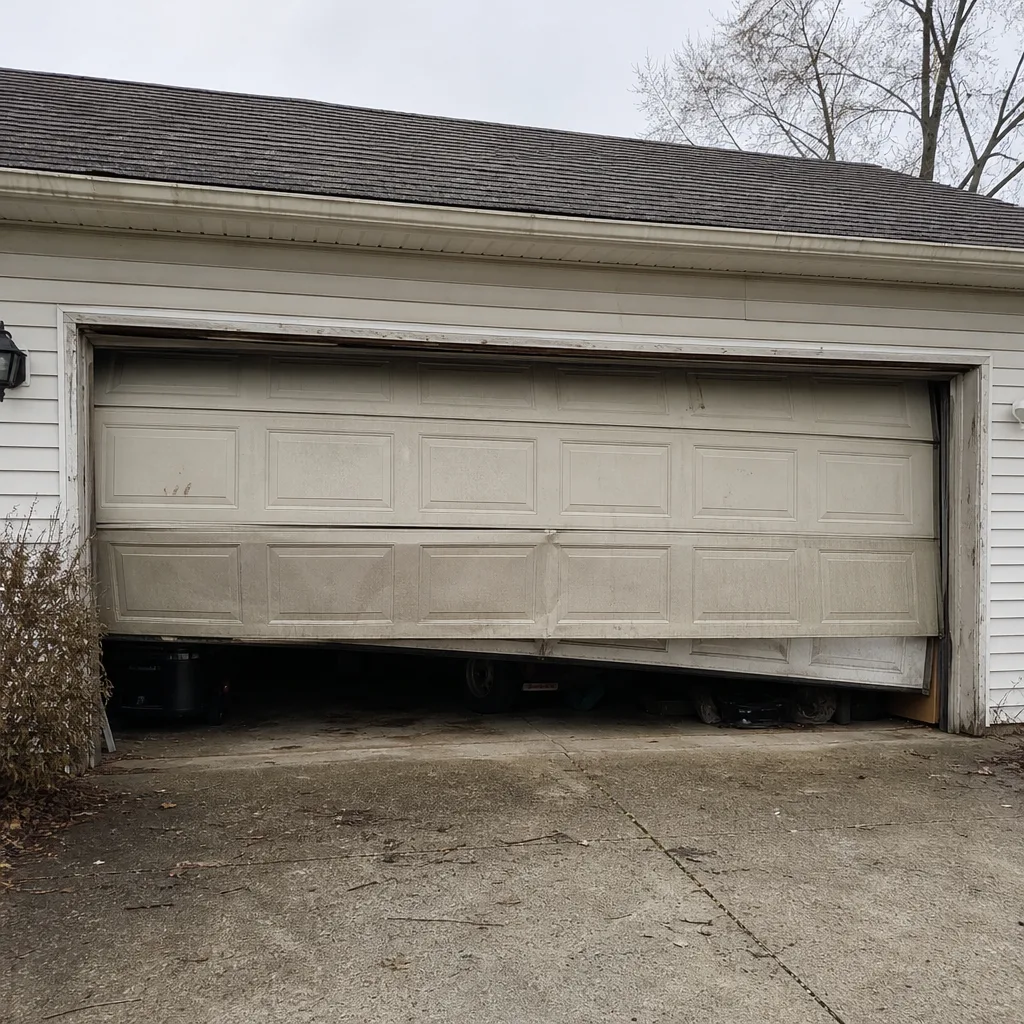 Before
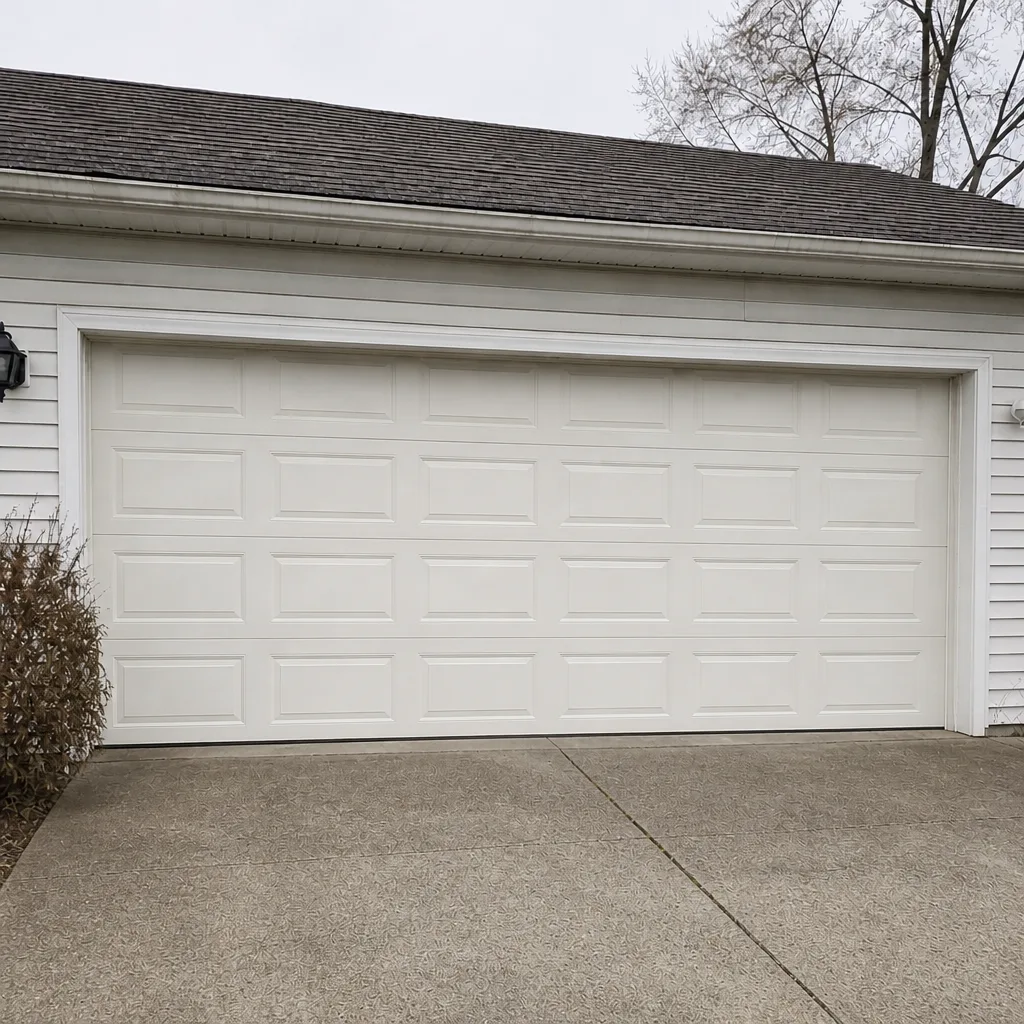 After
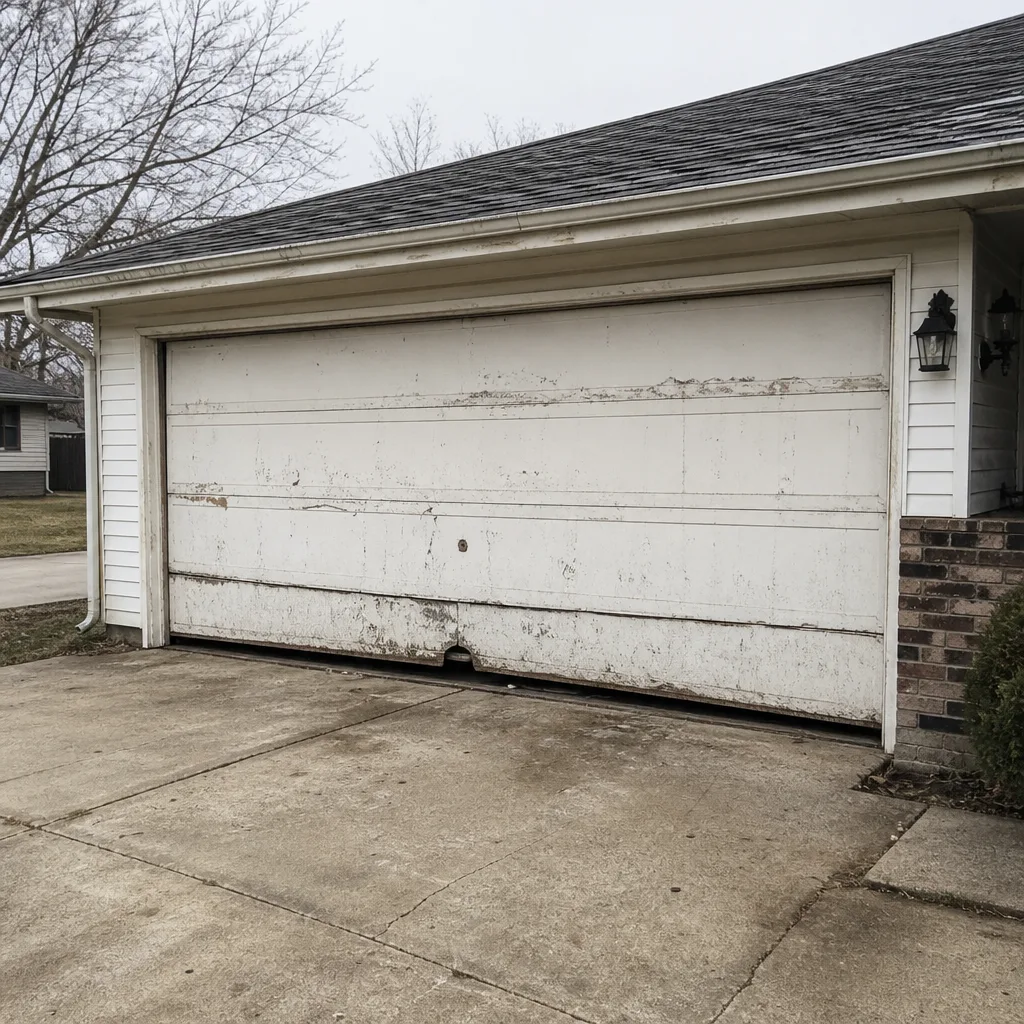 Before
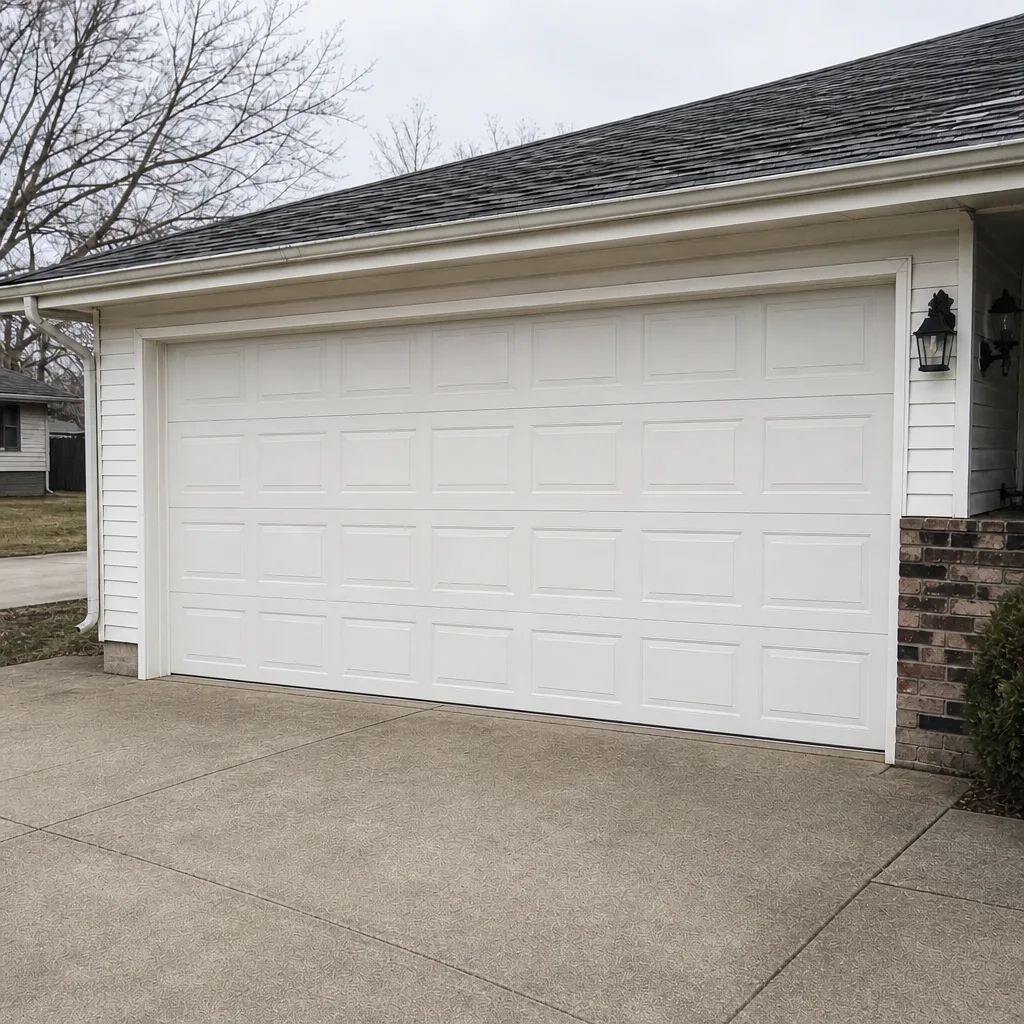 After
When to Call a Professional
Some garage door problems are genuinely urgent, and it’s worth knowing which ones. Call a specialist when a torsion spring has snapped, when the door won’t close or stay closed, when a door has jumped its track, when the opener runs but the door doesn’t move, or when a storm has left visible damage to panels or tracks. Those are situations where working the door yourself can make things worse or hurt someone. On the other side, a photo-eye that’s been nudged out of alignment, or a remote with a dead battery, are things most homeowners can sort themselves.
If you’re on the fence, a phone call is the cheap way to find out. Greenwood Garage Door Repair Pros offers free estimates in Greenwood – call (866) 876-9721. We answer 24/7. Fast dispatch from 7am to 7pm, Sunday through Friday. If you’re not sure what’s wrong, describe what the door is doing and we’ll tell you what’s likely going on before anyone comes out. For a broad overview of what we handle, see Greenwood Garage Door Repair Pros.
Frequently Asked Questions
Yes, if you pull the manual release first. Every opener has a release cord or handle that disconnects the door from the drive; once released, you lift the door by hand. A door with intact springs will feel light and stay where you leave it, while a door that’s heavy or drops means a spring issue – stop and call. If your car is trapped and the door is too heavy to lift safely, don’t force it.
Check the photo-eyes and the door’s path for obstruction before anything else. If the door closes partway and reverses, a misaligned safety sensor or a blocked path is the likeliest cause, and realigning the lenses often fixes it in minutes. If the door still won’t close, look for a bent track or panel, secure the opening temporarily, and call for a same-day assessment. A door that won’t close is a security issue, so don’t wait.
No – the price is set per job by the written estimate, and that estimate comes before any work starts. There’s no separate emergency rate, and no mystery number added on at the end. What controls the price is which parts failed, the brand and availability of replacement parts, and whether the fix is a repair or a replacement. Call (866) 876-9721 for a free estimate with a written number.
Look at the panels, tracks, springs, and cables before running the door. If any panel is bent or separated, a track is out of alignment, or a spring shows a visible gap, the door is not safe to operate and needs a technician. If everything looks intact, disconnect the opener and lift the door by hand to check the balance; it should move smoothly and stay put. Any grinding, jerking, or reversing means stop and call.
The brand is printed on a label on the opener housing, and it matters more than most homeowners realize. Common openers like Genie, LiftMaster, Chamberlain, and Craftsman each use slightly different release mechanisms, safety systems, and limit adjustments, and door manufacturers like Clopay, Amarr, and Wayne Dalton build panels that only fit their own systems. Knowing your brand means a faster diagnosis and the right parts the first time.
Yes, for most urgent repairs. Broken springs, doors off track, and doors that won’t close are the situations we prioritize for same-day service, and fast dispatch runs from 7am to 7pm, Sunday through Friday. A call outside dispatch hours is booked into the next opening. Call (866) 876-9721 and describe the problem – a photo of the door and opener label helps.
The Bottom Line
The three things that separate a manageable garage door emergency from a stressful one are simple: know how your manual release works, document your door and opener so the right parts and the right help come quickly, and have a specialist’s number saved before you need it. Add a basic safety check after any storm, and you’ve covered the situations Greenwood homes actually face. Mechanical failures and storm damage both come down to the same first move – don’t force the door, secure the opening, and call someone who works on your brand. Those decisions take an hour upfront and save far more than that when something breaks. Keep the prep short, keep it written down, and the next emergency stays a repair instead of a crisis.
Call (866) 876-9721 for a free estimate. We answer 24/7. Fast dispatch from 7am to 7pm, Sunday through Friday.
Written by the team at Greenwood Garage Door Repair Pros.