
Last updated November 21, 2026
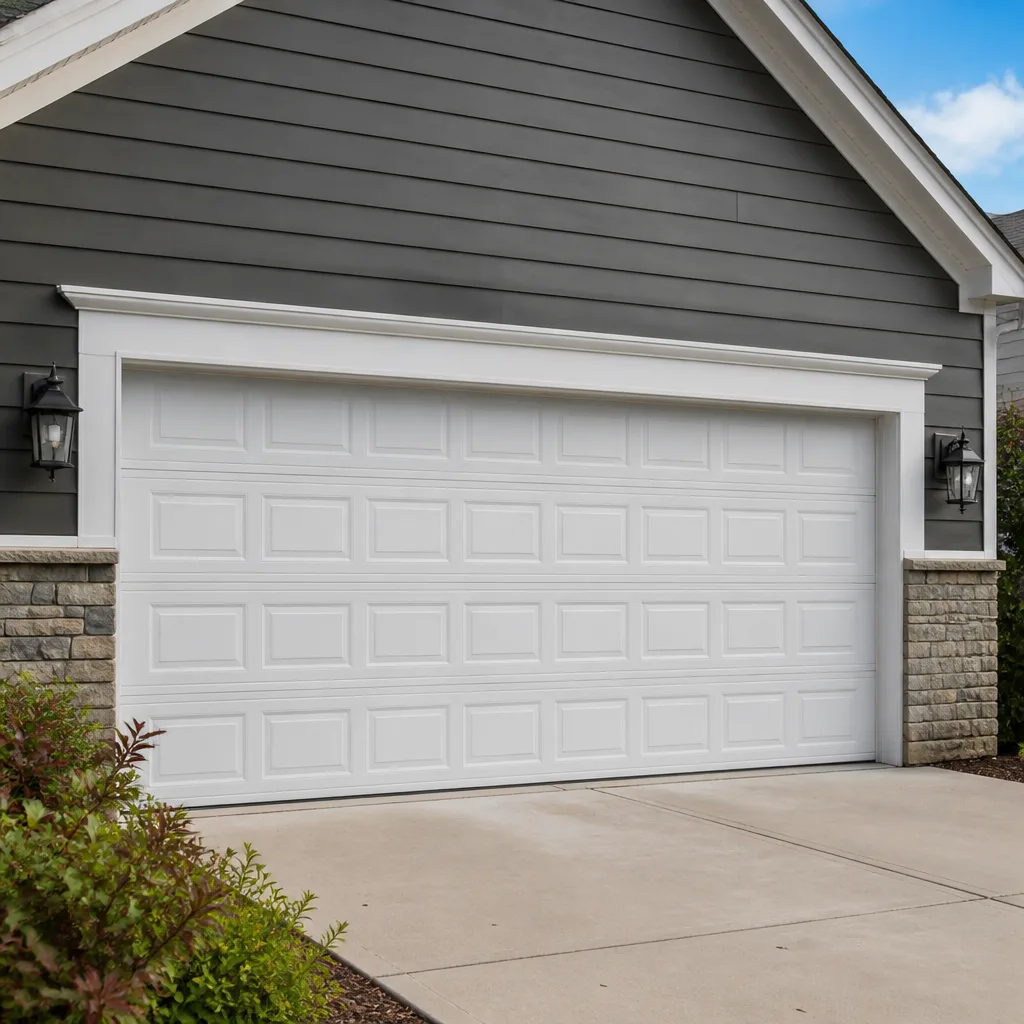 Raised-panel steel
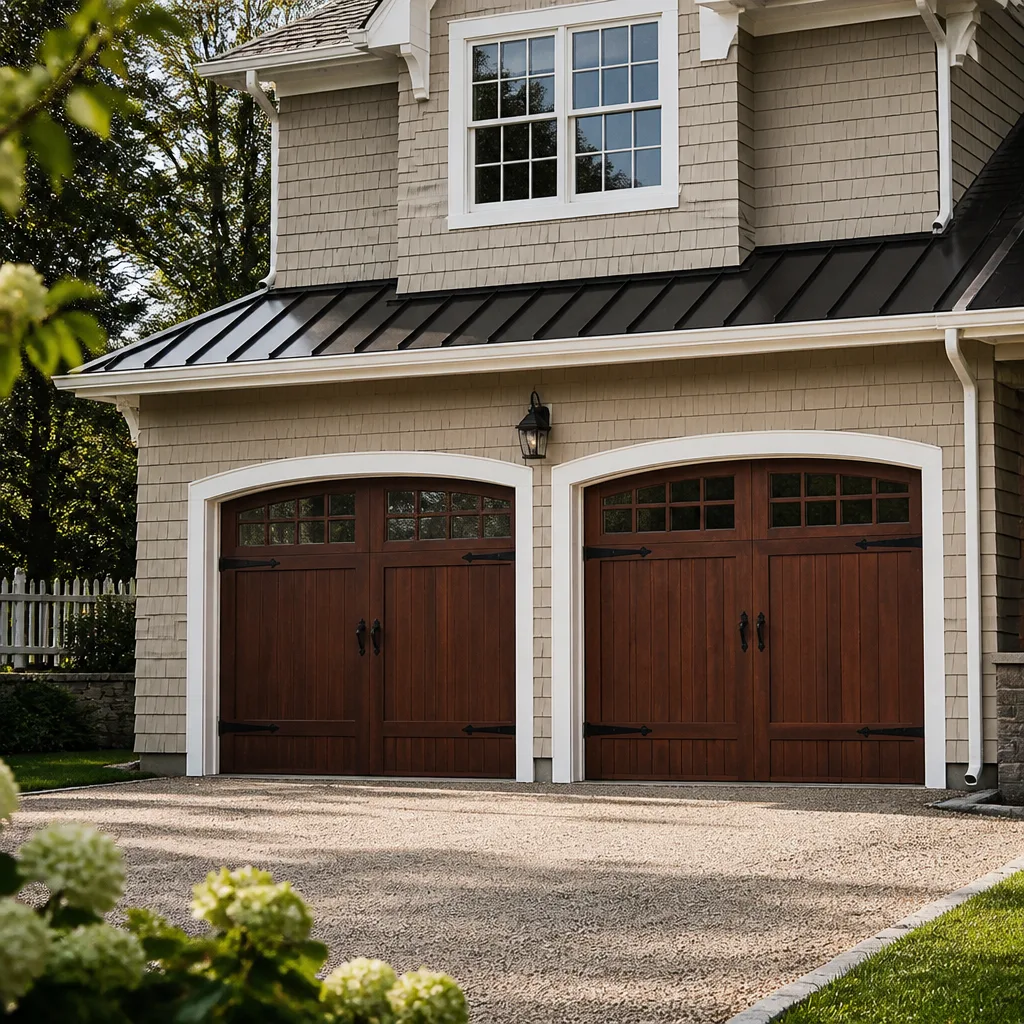 Carriage house
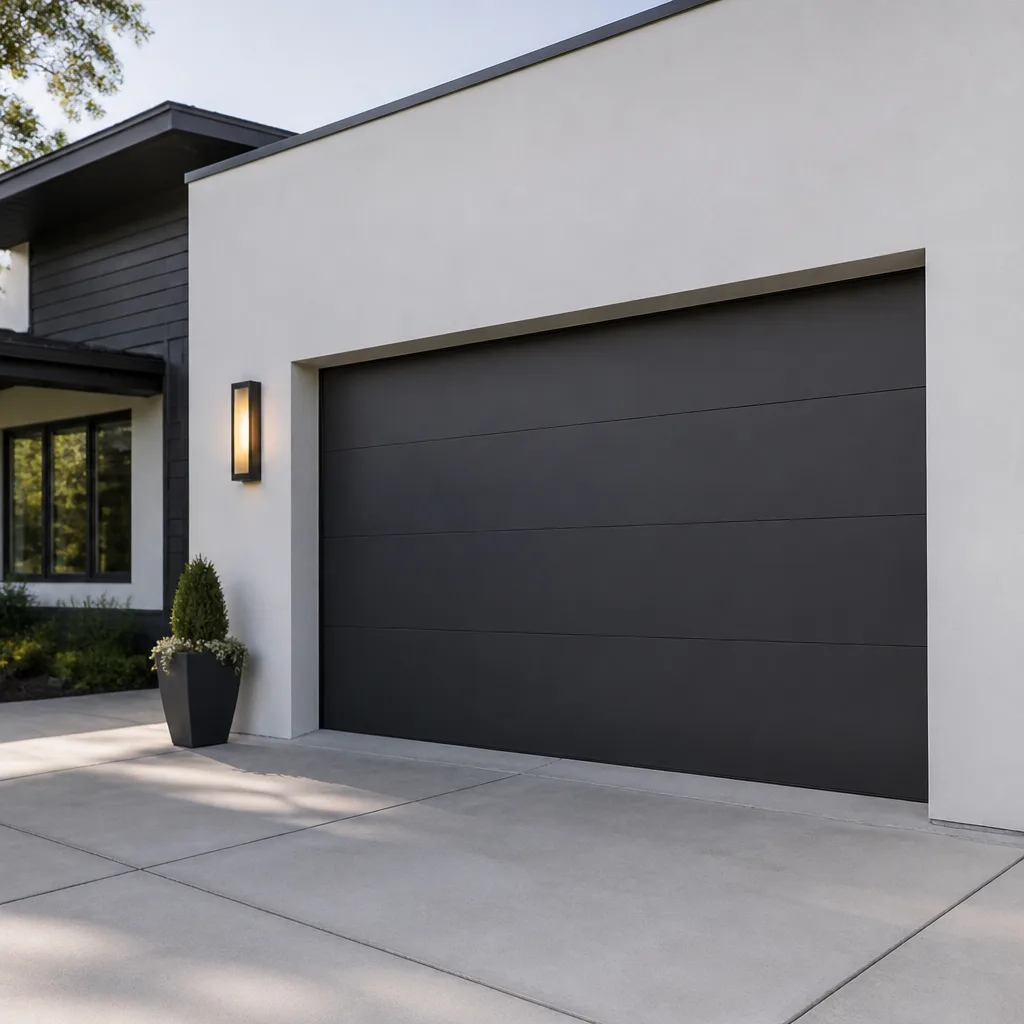 Modern flush
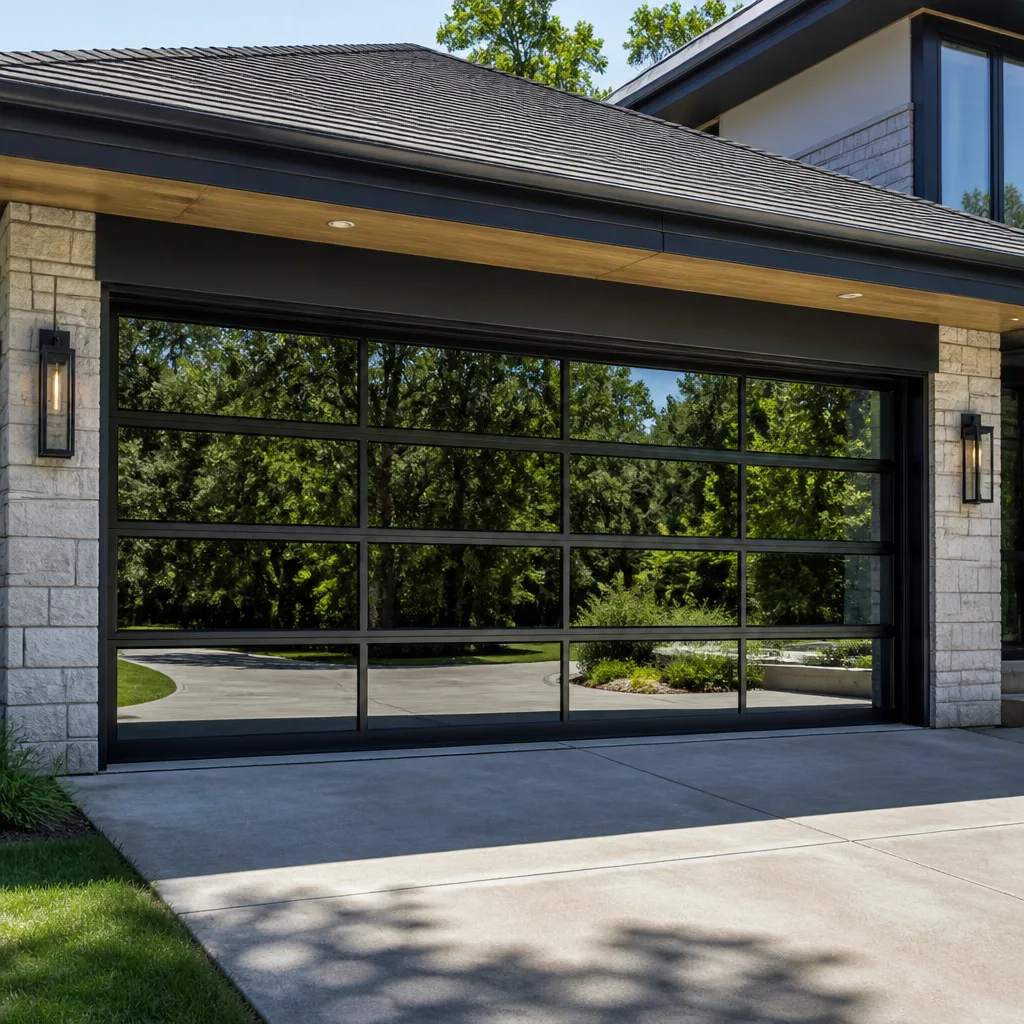 Full-view glass
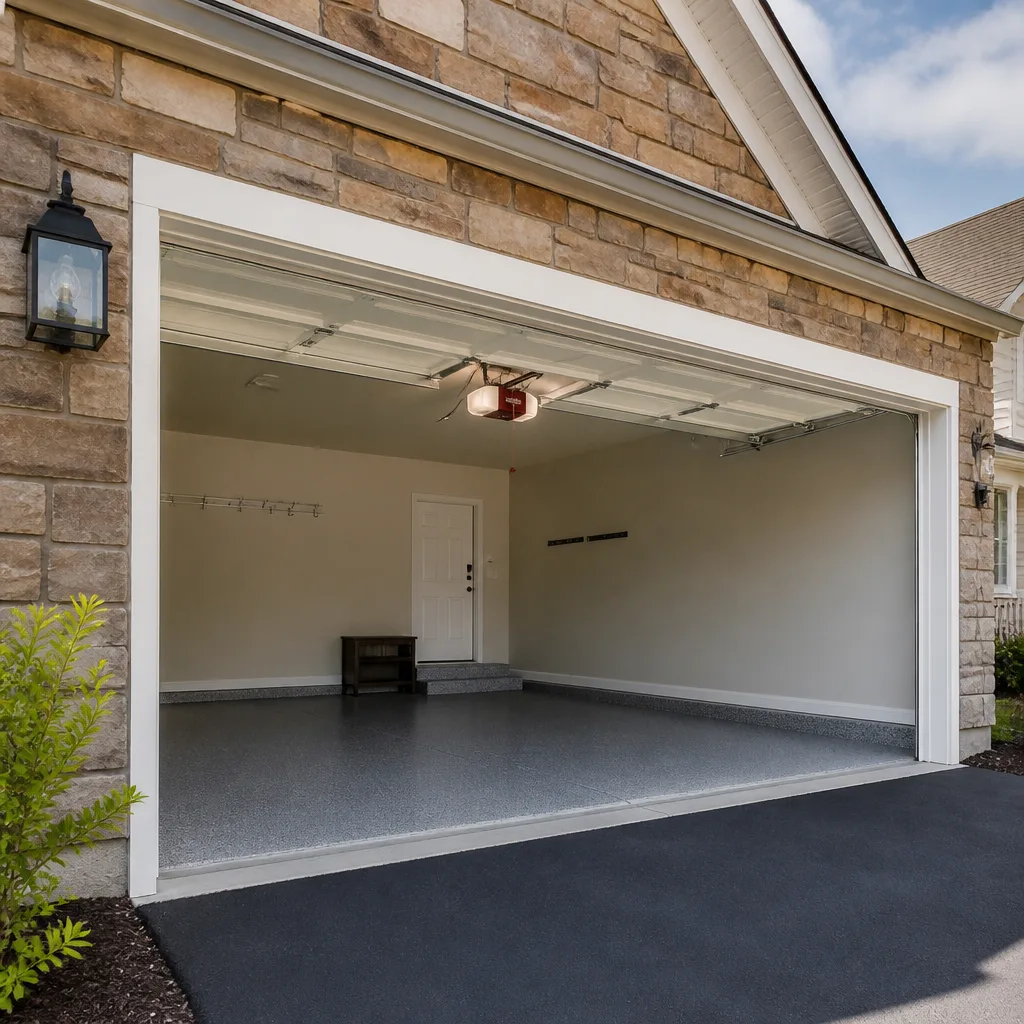 LiftMaster openers
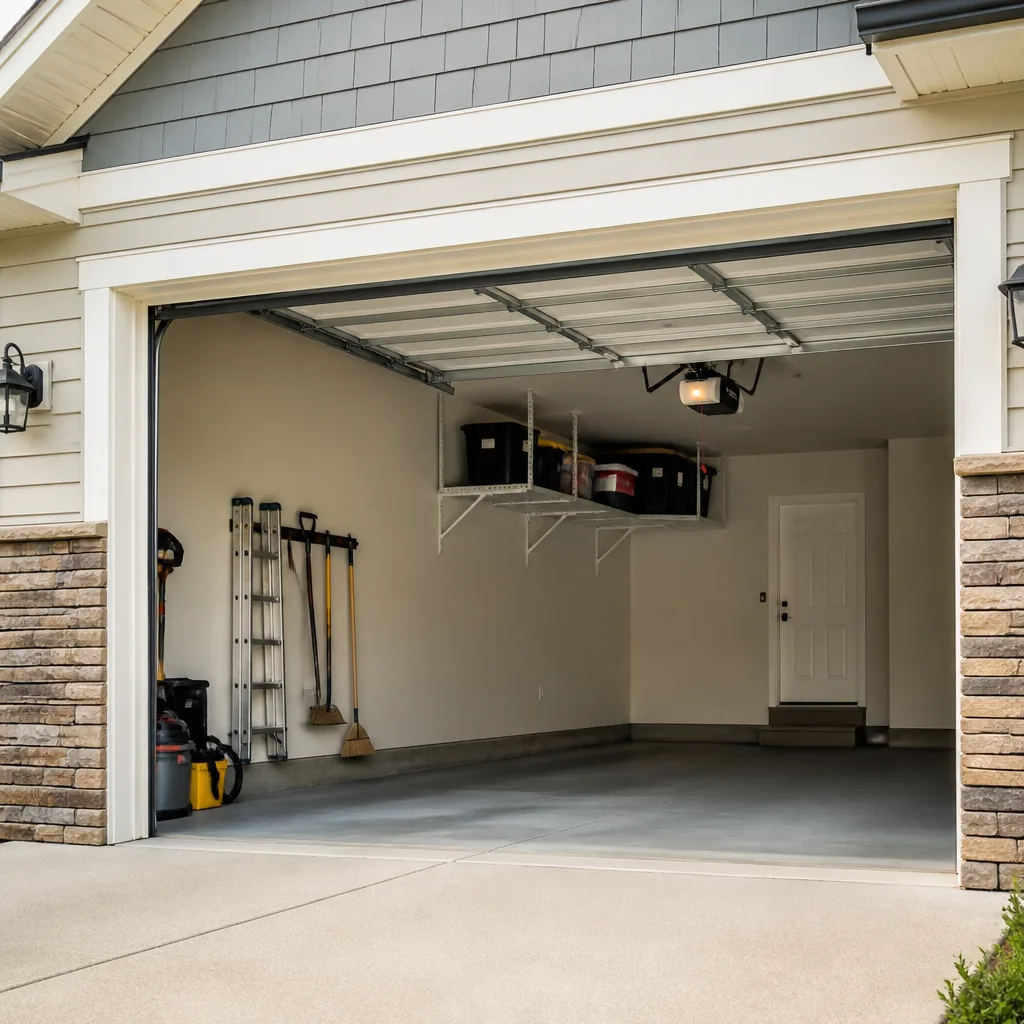 Chamberlain openers
Full 25-point door and opener safety check with every visit - springs, cables, rollers, tracks, and your LiftMaster or Chamberlain opener included
You get a price before we start. It does not change when the pro arrives.
Get your free estimateGarage Door Cost Breakdown: The Greenwood Homeowner’s Reference for 2026
The range you’ll see quoted for garage door work in Johnson County – anywhere from $80 to $4,000 – is technically accurate and completely unhelpful. A broken roller and a full double-door replacement both live inside that spread, which means the number tells you nothing about what your job should cost. What actually sets your price comes down to four variables: the part that failed, the door it’s mounted on, the brand tier of the equipment, and how fast you need it done. Know those four before you call anyone in Greenwood, and you can read a quote for what it is instead of guessing.
This guide breaks each variable down with component-level price ranges, installation tiers by material, the real cost of same-day service, and a line-by-line method for reading an estimate. Keep it handy. It’s built to be used at the kitchen table with a quote in front of you.
Quick Answer
Garage door repair in Greenwood typically runs $95 to $650 depending on the component, with the most common jobs – torsion spring replacement, cable and roller swaps, opener repair – landing between $150 and $450. New door installation runs roughly $900 to $4,000 installed, driven mainly by door size, material and insulation value. Emergency and same-day calls usually add a premium of 20% to 50% over a scheduled repair, and the written estimate you sign before work starts is the price you pay.
Styles & brands we work with
- Raised-panel steel
- Carriage house
- Modern flush
- Full-view glass
- LiftMaster openers
- Chamberlain openers
Table of Contents
- The Four Variables That Set Every Greenwood Garage Door Price
- Component-Level Pricing: What Each Repair Actually Costs
- Single Door vs. Double Door: Why Size Changes Everything
- New Door Installation Cost Tiers by Material
- What Emergency and Same-Day Service Really Adds
- Brand-Tier Cost Differences: Clopay, Wayne Dalton and Builder-Grade
- How to Read a Garage Door Quote Line by Line
- Repair or Replace? The Break-Even Math
The Four Variables That Set Every Greenwood Garage Door Price
Every garage door estimate you receive in Greenwood comes down to four pricing levers. Understanding them separately stops you from comparing apples to oranges when two contractors hand you very different numbers for what sounds like the same job.
- The failed component. A roller costs a fraction of what a torsion spring costs, and a snapped cable is a different job from a stripped opener gear. The part sets the floor of the price.
- The door it’s mounted on. A standard single-car door and a wide double-car door use different spring sizes, different cable lengths and different horsepower openers. Bigger door, bigger parts, bigger labor.
- The brand and grade of equipment. Builder-grade hardware wears faster than a mid-tier or premium system, and replacement parts for a well-supported brand like LiftMaster or Chamberlain are usually easier to source than an off-brand opener nobody stocks.
- Speed. A scheduled repair and a same-day call are priced differently because one can be planned and the other can’t. More on that below.
When a quote feels high, ask which of these four is driving it. A good technician can point to the specific part, the door size and the urgency. If nobody can explain it, that’s your signal to get a second number. Our technicians have up to 13 years of experience sizing and quoting exactly these variables, and we build every estimate in Greenwood around them so the customer can see the reasoning. The written estimate sets the final price – nothing gets added after the work begins.
Component-Level Pricing: What Each Repair Actually Costs
Most garage door calls in Greenwood come down to a handful of parts. Here’s what each one typically runs, installed, in this market in 2026.
| Repair | Typical Installed Range | Notes |
|---|---|---|
| Torsion spring (one spring) | $180 – $340 | Matched pair usually replaced together, so a pair runs about twice that |
| Extension spring (one spring) | $120 – $220 | Pair pricing again roughly doubles |
| Lift cables (per side) | $95 – $180 | Best replaced in pairs when one fails |
| Rollers (set of 10-12) | $110 – $220 | Nylon rollers cost more than steel and run quieter |
| Hinges and brackets | $85 – $160 | Often bundled with roller replacement |
| Bottom seal / weatherstripping | $95 – $200 | Longer on wide double doors |
| Opener repair (board, gear, capacitor) | $140 – $320 | Depends on opener brand and part availability |
| Opener replacement (unit + install) | $350 – $700 | Chain, belt or screw drive; smart features push toward the top |
| Panel replacement (single section) | $200 – $600 | Color-match and brand availability drive the spread |
Springs, cables and rollers fail more often in this part of Indiana than many homeowners expect, because the seasonal temperature swings force the metal to expand and contract repeatedly across the year. A spring that’s near the end of its life in fall is very likely to let go on the first hard cold snap. That’s not a sales tactic – it’s the normal wear pattern for this climate, and it’s why replacing a matched pair together costs less over time than chasing single failures. If springs are your problem, our garage door spring repair page covers the safety side in detail; spring work is not a do-it-yourself job.
Single Door vs. Double Door: Why Size Changes Everything
A single-car garage door in Greenwood and a double-car door use different hardware, and the price gap is real. Understanding the difference keeps you from being surprised when a quote for a double door comes in higher than a neighbor’s single-door estimate.
- Spring size and count. Double doors carry significantly more weight, so they use larger, higher-tension springs. Those cost more and take longer to install safely.
- Cable length and load. Longer cables under more tension – both the part cost and the labor go up.
- Opener horsepower. A single door may run fine on a lighter unit, while a double door typically needs more lifting power. Opener replacement pricing shifts accordingly.
- Panel and section count. Higher doors use more sections, which matters if you’re replacing a damaged panel rather than the whole door.
As a rough guide, expect a double-door version of any given repair to run 1.3 to 1.7 times the single-door number. That multiplier holds across springs, cables, and full installation. If you’re comparing two quotes side by side, confirm both are priced for the same door width – a mismatch here is the single most common reason two estimates look wildly different on paper.
New Door Installation Cost Tiers by Material
New garage door installation in Greenwood generally runs $900 to $4,000 installed. The spread is driven almost entirely by material and insulation value, plus the labor rate for the job. Here’s how the tiers break down.
- Builder-grade steel (uninsulated or lightly insulated). The lowest-cost option, typically at the bottom of the range. Fine for a detached garage or a door you don’t need to insulate. Expect more noise and a shorter service life.
- Insulated steel. The middle of the range and the most common choice for attached garages in this climate. The added insulation helps moderate temperature swings between the garage and the house, which matters through Indiana winters and summers.
- Wood composite. Priced above standard steel and chosen for appearance. Requires more upkeep than steel in a climate with real seasonal moisture.
- Aluminum and premium steel with higher insulation values. The top of the range. Chosen for a tighter thermal seal, lower noise, and a heavier-duty hardware set.
2026 labor for installation in Johnson County tracks with the rest of the Indianapolis metro. Door size, the condition of the existing track and framing, and whether the opener gets replaced at the same time all affect the final number. Because this is measured, ordered and scheduled work, the right move is a free on-site measure and a written price – not a same-day promise. Brands like Clopay and Amarr are common in this market, and matching a new door to your existing opener is part of the job. If your opener is also aging, our garage door opener repair team can tell you whether to repair or replace it alongside the new door.
What Emergency and Same-Day Service Really Adds
Emergency and same-day garage door service in Greenwood typically adds 20% to 50% over a scheduled repair, and the premium is worth it when the door is your only exit or your only security. It’s worth waiting for when it isn’t.
When a door won’t close, or a spring has snapped and the door is stuck open or jammed, the cost isn’t just the repair – it’s the exposure. A door that won’t close leaves the house open to weather and to anyone walking by. A door that’s stuck open in a detached garage is worse. In those cases, the extra cost of fast dispatch buys you a closed, secure house the same day.
When it’s not urgent: a single noisy roller, a door that’s slightly out of balance but still operating, a cosmetic panel ding. Those can be scheduled at the standard rate. Our garage door repair team handles both planned and urgent calls and prices each the same way – a written estimate before any work starts. Here’s how to decide:
- Call now: a snapped spring, a door stuck open, a door that won’t latch, a car trapped inside, a door that’s dropped off its track.
- Schedule it: a slow-to-close door, a noisy opener, a worn seal, a single bent panel that isn’t affecting operation.
Call (866) 876-9721. We answer 24/7. Fast dispatch from 7am to 7pm, Sunday through Friday. A call outside dispatch hours is booked into the next opening, Sunday through Friday, 7am to 7pm. Estimates are free, and the price is agreed before any work begins.
Brand-Tier Cost Differences: Clopay, Wayne Dalton and Builder-Grade
Brand tier affects both the price of the door and the price of repairs down the road. The gap between a builder-grade setup and a mid-tier Clopay or Wayne Dalton door isn’t just cosmetic – it’s hardware quality, insulation, and how long the parts last under Greenwood’s seasonal swing.
Builder-grade doors are the ones most homes were finished with. They use lighter-gauge steel, thinner rollers, and often a basic opener. They’re cheaper up front and cheaper to repair in the short term. The trade-off is faster wear: rollers flat-spot sooner, springs lose tension sooner, and the door as a whole needs more attention over its life.
Mid-tier doors – the range most Clopay and Wayne Dalton lines sit in – use heavier hardware, better insulation, and rollers that last longer. Repair costs for the same failure are sometimes slightly higher because the parts are heavier-duty, but the interval between repairs is longer. Over the life of the door, the mid-tier usually costs less to own, even though it costs more to buy.
What the price gap actually buys: longer service intervals, quieter operation, a better seal against Indiana heat and cold, and hardware that’s easier to source when something does fail. It does not buy a door that never needs repair – every door needs springs, rollers and eventually an opener replacement. It buys more time between those events.
We work on systems from LiftMaster, Chamberlain, Genie, Clopay, Amarr, Wayne Dalton, Craftsman and Raynor, so the brand on your door isn’t a barrier to getting it serviced or replaced correctly. If you already have a LiftMaster or Chamberlain opener, matching parts to it is straightforward. If you’re weighing an upgrade against a repair, our team can walk you through the break-even.
How to Read a Garage Door Quote Line by Line
A garage door quote should be readable line by line, with a part, a labor line, and a clear total. Here’s what each line should represent numerically, and what to watch for.
- Service call or diagnostic line. If a fee appears here, it should be stated up front and explained. Ask whether it’s separate from the repair or applied toward it – the answer should be in writing. If the estimate is free, there should be no fee line at all.
- Parts line. The specific part should be named – torsion spring, cable, roller set, opener model – and priced on its own. A lump sum with no part breakdown makes it hard to compare against another quote.
- Labor line. Should reflect the job scope. Spring replacement, cable work and opener repair carry different labor than a simple roller swap. Confirm the labor covers the full job, including safety testing at the end.
- Spring adjustment line. If this appears separately, ask what it covers. A proper spring replacement includes balancing and testing the door; a separate charge for adjusting a newly installed spring is worth questioning.
- Parts and labor combined. A combined line is fine as long as the part is named and the total is in line with the ranges on this page. Combined pricing on a clear part is not a red flag by itself.
- Total and terms. The written estimate sets the final price. Confirm nothing gets added after work begins without your approval, and that the total includes cleanup and a final safety test.
The most useful thing you can do with two quotes is put the parts lines side by side. If one quote names a heavier-duty spring and the other doesn’t, the price difference may be justified. If both name the same part and one is dramatically higher, ask why. A fair quote explains its number without pressure.
Repair or Replace? The Break-Even Math
The repair-versus-replace decision comes down to how much of the door’s value is still in front of you. A few working rules help.
- Single failed part on a sound door: repair. One spring, one cable, one roller set on a door that’s otherwise quiet and balanced is almost always worth fixing.
- Multiple failures in a short window: look at replacement. If springs, cables and rollers are all going within months of each other, the door is telling you the whole hardware set is worn out.
- Structural damage: a bent track that keeps bending, a cracked panel that can’t be color-matched, or a sagging door usually points toward replacement.
- Opener at the end of its life: if the opener fails right after a major door repair, replacing both together often costs less than fixing each in sequence.
Cosmetic wear alone – faded paint, a scuff, a slightly noisy roller – doesn’t justify a new door. Function is the deciding factor. A door that opens and closes smoothly and seals properly has value left in it, regardless of how it looks.
Common Mistakes to Avoid
- Comparing a single-door quote to a double-door quote. This is the most common reason two Greenwood estimates look absurdly different. Confirm both are priced for the same door width before you compare totals.
- Replacing a single torsion spring instead of the pair. Matched springs are installed as a set and wear at the same rate. Replacing one often means the second fails within months, so you pay the labor twice.
- Assuming the lowest quote is the best one. A rock-bottom number often means a lighter spring, a thinner cable, or a generic roller set that will wear out faster. Ask what part is being installed.
- Paying for an emergency call on a non-emergency. A slow-closing door or a noisy opener can wait for a scheduled visit. Reserve the same-day premium for a door that’s stuck open, stuck shut, or a safety risk.
- Ignoring the seasonal warning signs. A spring that’s stretched or showing gaps in fall is likely to fail on the first hard freeze. Replacing it on a scheduled visit costs less than an emergency call in January.
- Skipping the written estimate. A confident verbal number is not a quote. Get the parts and labor lines in writing so the price you agreed to is the price you pay.
- Hiring a handyman for spring or cable work. Torsion springs and cables hold extreme tension. This is specialist work, and a generalist isn’t the right call for it.
See the difference
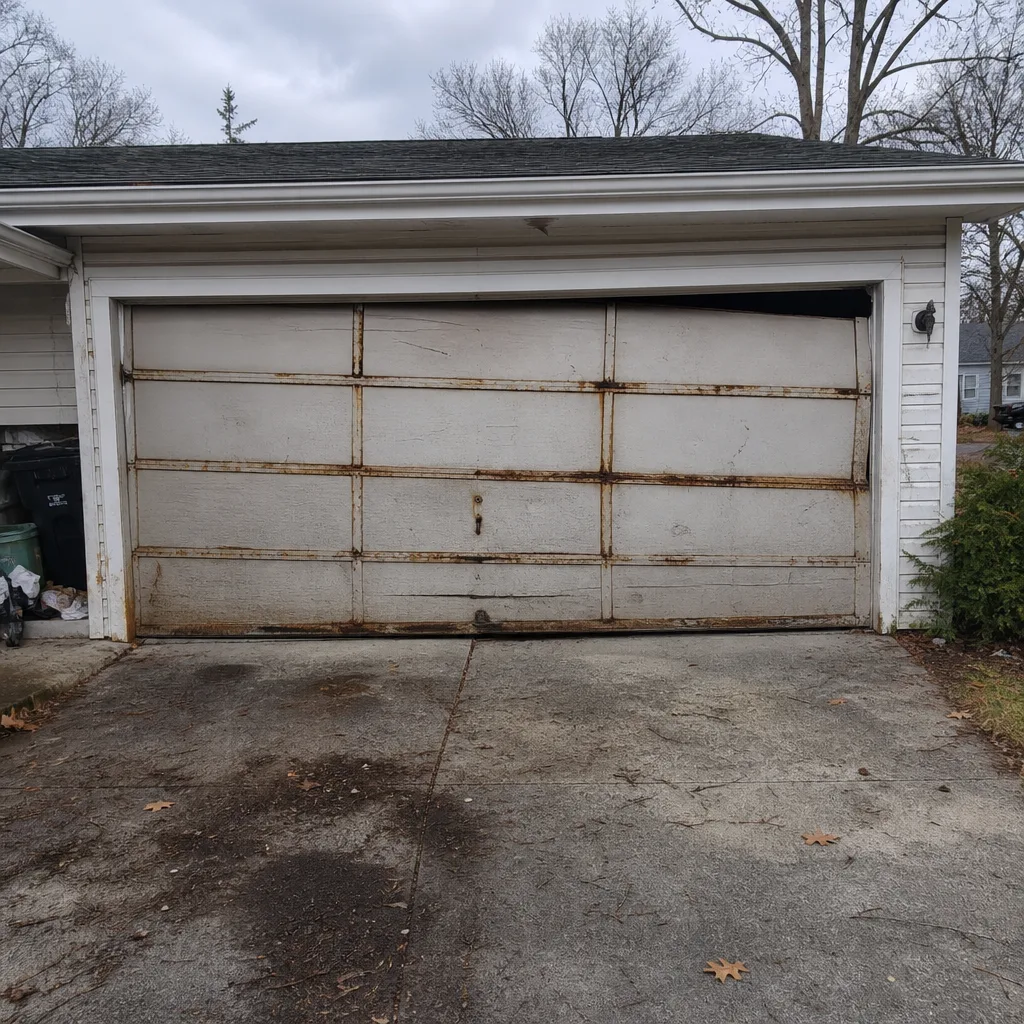 Before
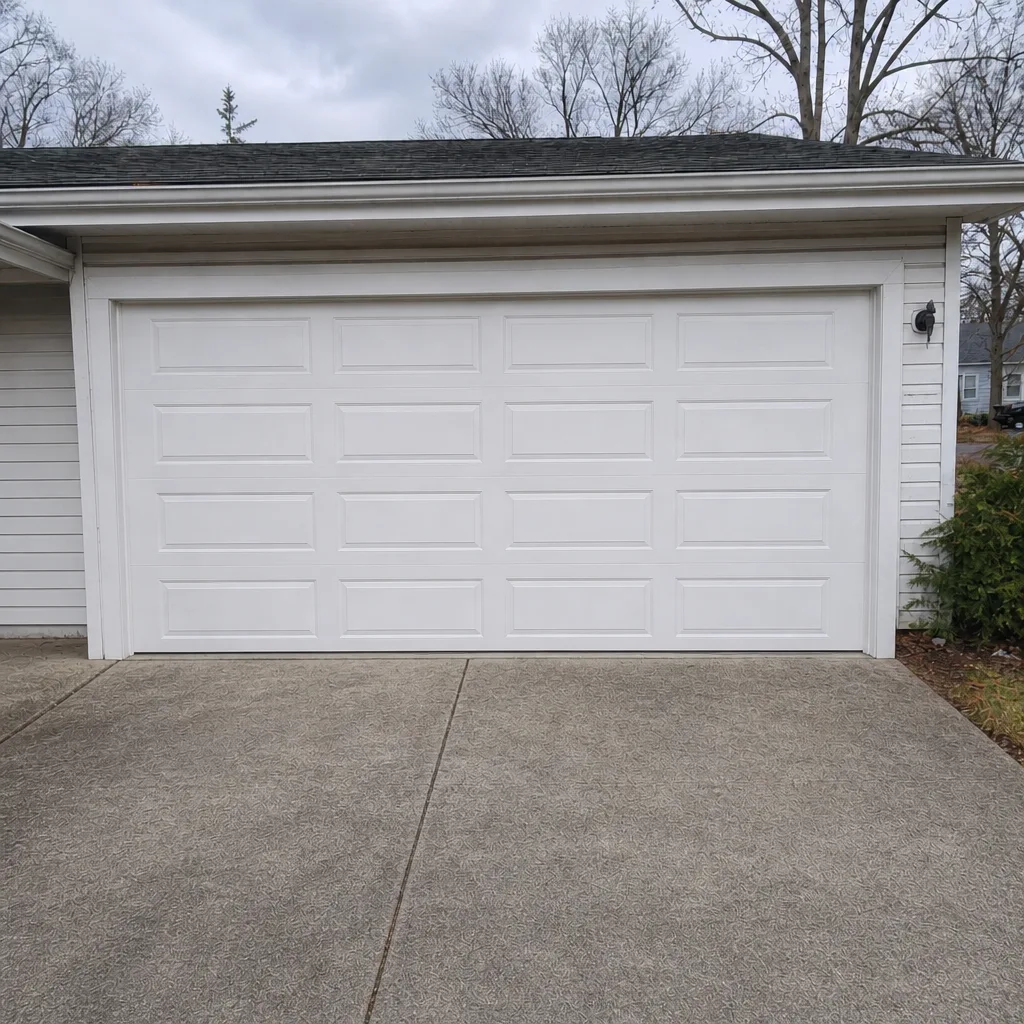 After
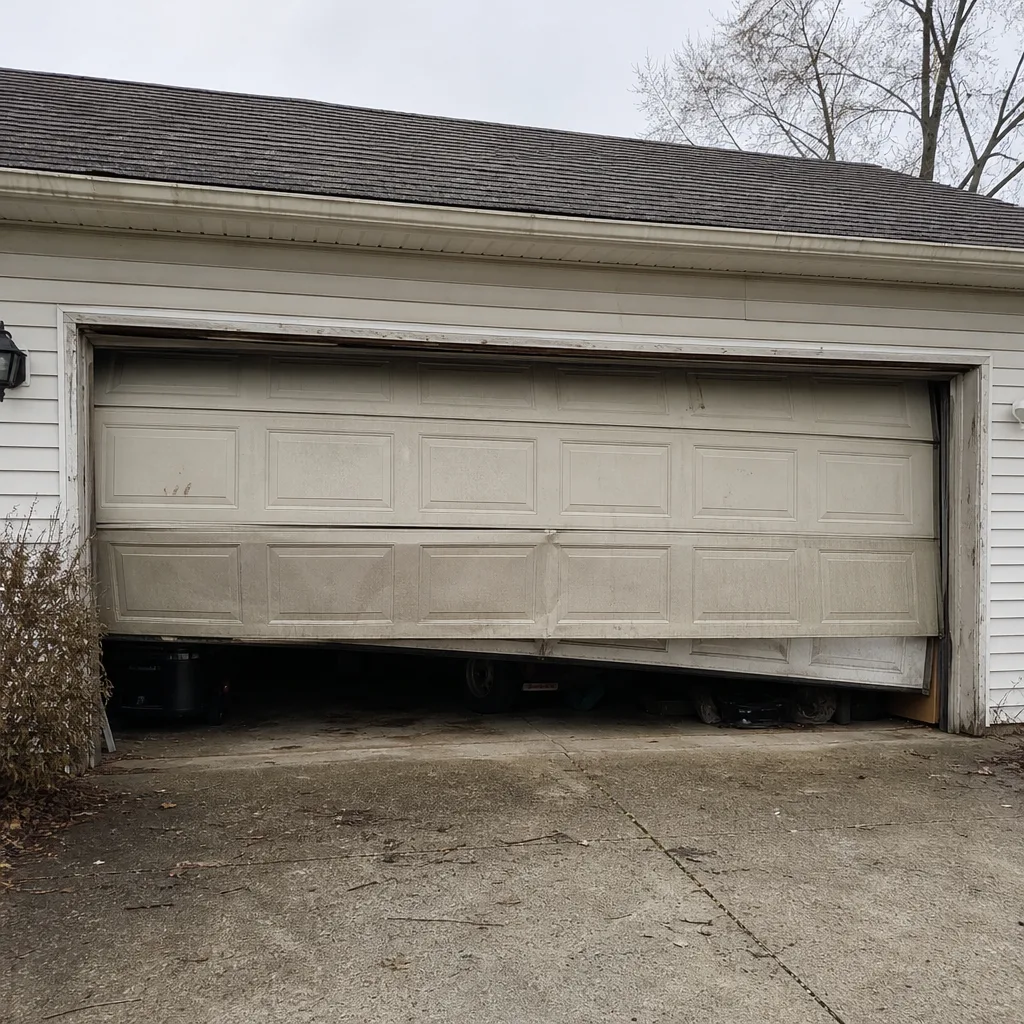 Before
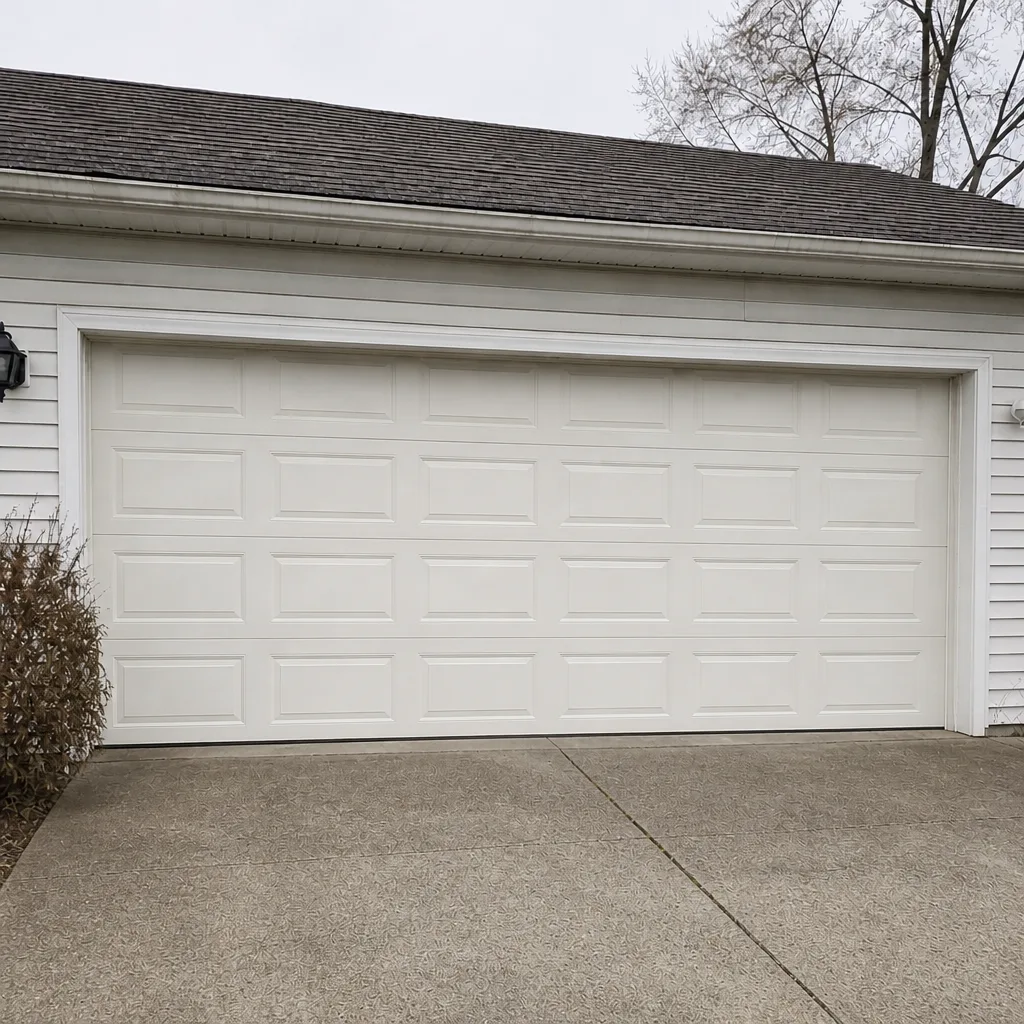 After
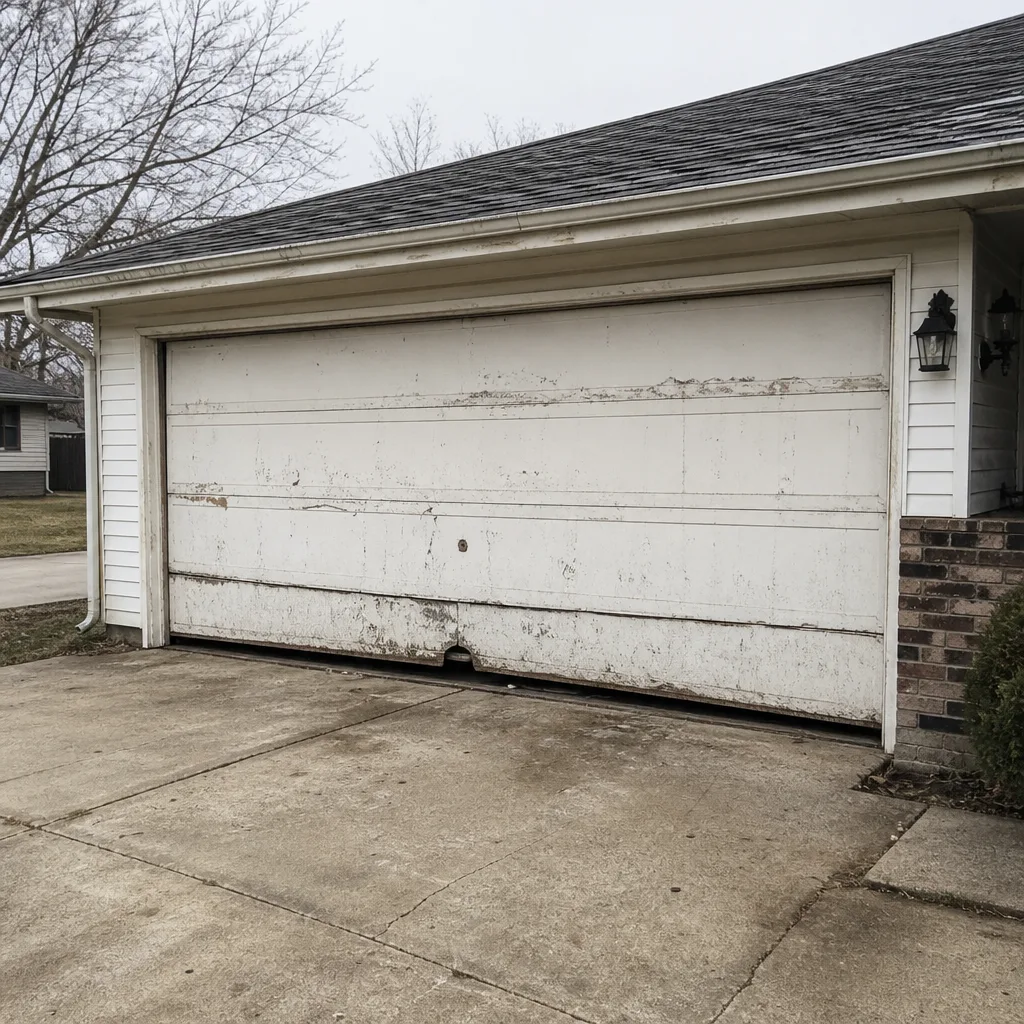 Before
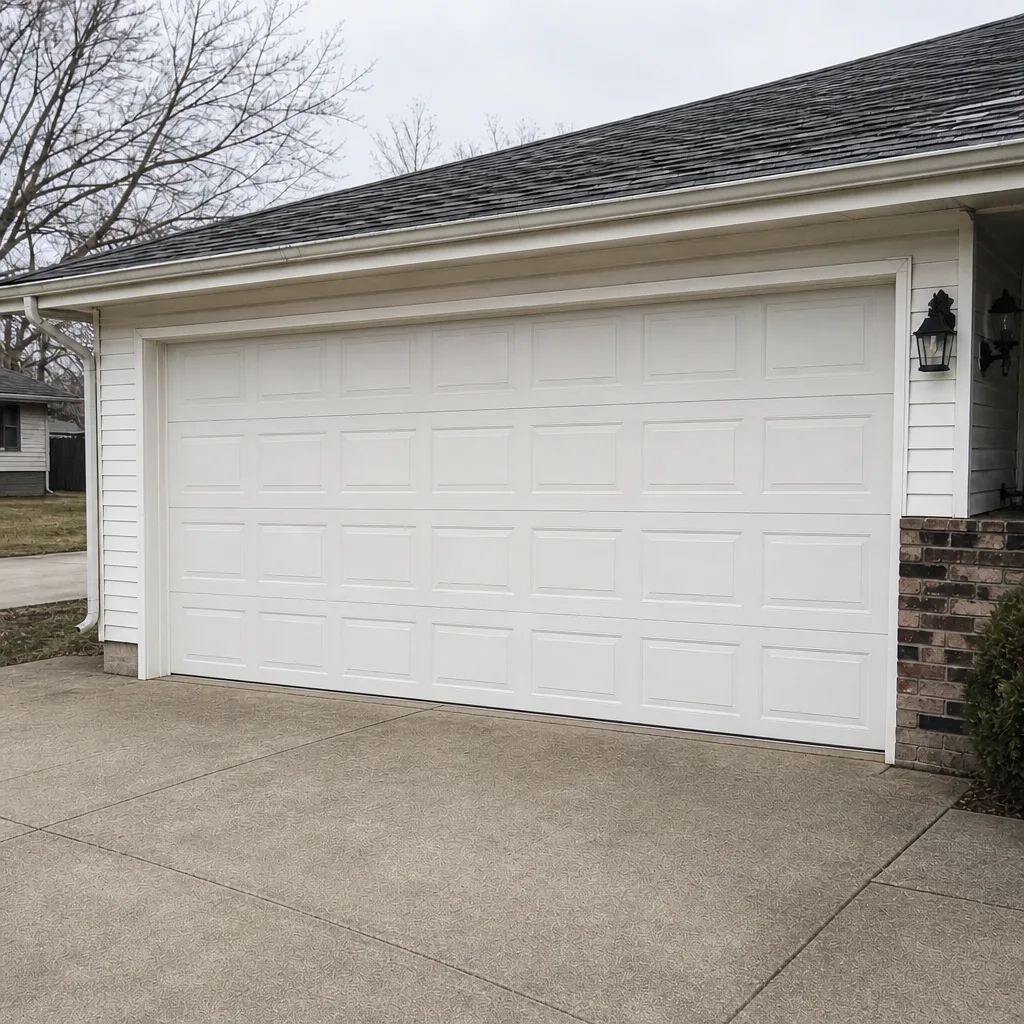 After
When to Call a Professional
Call a professional for anything involving torsion springs, cables, or a door that’s off its track. Those jobs carry serious stored energy and a real risk of injury. Spring and cable work is not a do-it-yourself repair – the tension in a wound torsion spring can cause severe injury if it releases unexpectedly. Call for a door that won’t close, a door that’s stuck open, an opener that won’t respond, a door that’s visibly sagging, or a panel that’s cracked in a way that affects the door’s structure. And call when a repair is beyond a roller or seal swap – the deeper the job, the more it matters that it’s done by someone trained on the equipment. Our technicians are experienced on the major brands, and every job starts with a free written estimate.
Greenwood Garage Door Repair Pros offers free estimates in Greenwood – call (866) 876-9721. We answer 24/7. Fast dispatch from 7am to 7pm, Sunday through Friday.
Frequently Asked Questions
Most garage door repairs in Greenwood run $95 to $650, with the most common jobs landing between $150 and $450. Torsion spring replacement is typically $180 to $340 per spring, cable work $95 to $180, and roller sets $110 to $220. The written estimate sets the final price. Call (866) 876-9721 for an exact quote – estimates are free.
Yes – a stuck door is an emergency call we handle with fast dispatch. We answer 24/7, and dispatch runs 7am to 7pm, Sunday through Friday; a call outside dispatch hours is booked into the next opening. Same-day service is available for urgent situations where the door won’t close or is stuck open. Call (866) 876-9721.
No, the written estimate you agree to is the price you pay. We diagnose the door, quote the parts and labor in writing, and get your approval before any work starts. If we find something the initial diagnosis missed, we explain it and you decide before we continue. Call (866) 876-9721 for a free estimate.
Yes – the local professionals we connect you with are licensed and insured as their state requires. Our team is trained on the major garage door and opener brands, including LiftMaster, Chamberlain, Genie and Raynor, and our technicians have up to 13 years of experience. Call (866) 876-9721 to book a free estimate.
Double doors use larger, higher-tension springs, longer cables, and typically a more powerful opener. Expect a double-door repair to run 1.3 to 1.7 times the single-door number for the same component. The labor also runs higher because the parts are heavier and take longer to install safely. Call (866) 876-9721 if you’re unsure which door size your quote reflects.
Yes, in most cases. Torsion springs are installed as a matched pair and wear at the same rate, so replacing one usually means the second fails within months – and you pay the labor twice. A pair costs about twice the price of a single spring, but it saves you the second service visit. Call (866) 876-9721 for a written estimate on a pair.
The Bottom Line
Garage door pricing in Greenwood in 2026 isn’t one number – it’s a set of decisions about parts, door size, brand tier and urgency. A standard repair sits between $95 and $650; a torsion spring runs $180 to $340 per spring, and a pair about twice that; a new door runs $900 to $4,000 installed. Same-day and emergency calls add 20% to 50%. The one thing every fair estimate has in common is a written price you agree to before work starts. Know the variables, compare parts lines rather than totals, and the quotes you get will finally be comparable.
When you’re ready for a number that reflects your actual door, call (866) 876-9721 for a free estimate. We answer 24/7. Fast dispatch from 7am to 7pm, Sunday through Friday. Greenwood Garage Door Repair Pros works on the brands homeowners actually own, and every price is set in writing before we begin.
Written by the team at Greenwood Garage Door Repair Pros.